


Why Kenya is Betting on International Sea Jobs to Boost Diaspora Remittances

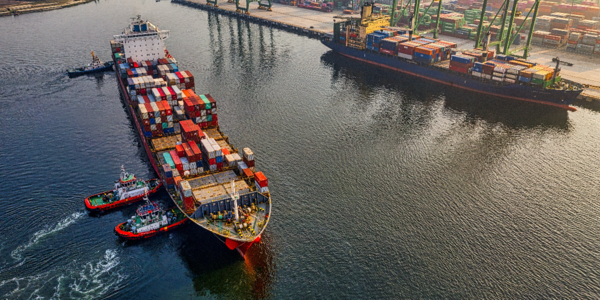
Kenya is pushing to secure international maritime jobs for young people under its Kazi Majuu labor export scheme, drawing inspiration from veteran mariners who built long-term wealth by taking advantage of tax benefits and low living costs at sea.
Through a joint strategy by the State Department for Diaspora Affairs, the Kenya Maritime Authority, and Bandari Maritime Academy, the government wants to train and certify youth, particularly from coastal counties like Mombasa, Kilifi, and Lamu, for work on ocean-going vessels.
The initiative comes as diaspora policy experts reassess the true financial value of overseas employment. While high-profile jobs in North America and Western Europe often attract attention, workers in those regions frequently see their earnings eroded by high taxes, expensive housing, and rising living costs.
In contrast, international merchant mariners benefit from standard employment conditions where ship owners cover accommodation, meals, and medical care throughout their sea contracts. Depending on their tax residence and contract terms, some mariners also qualify for foreign income tax exemptions, allowing them to save a far higher portion of their earnings.
The practical results of this financial model are reflected in the career of Captain Nelson Baiyu, a retired Kenyan mariner who spent 27 years commanding international cargo ships, including the Singaporean-flagged Kota Suria.
At the height of his career, Captain Baiyu earned over Ksh1.7 million ($10,600) per month. Because his employer met all basic living needs onboard, Baiyu retained most of his income, using his savings to acquire land, build properties, and fund agricultural enterprises in Kenya.
Government officials believe replicating Baiyu’s experience on a wider scale will offer young Kenyans a viable alternative to traditional blue-collar jobs in the Middle East or corporate roles in the West.





Comments
No comments yet — be the first.