


Kenya Refuses US Plan to Use Laikipia for Ebola Quarantine

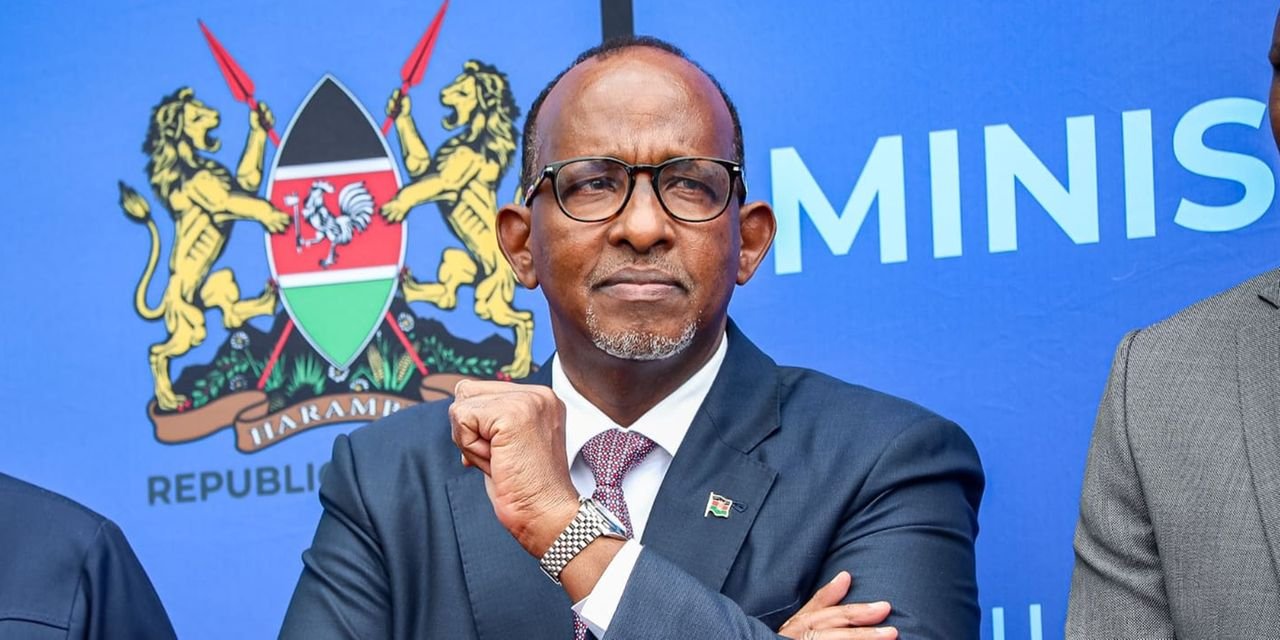
Health Cabinet Secretary Aden Duale has declared that Kenya will no longer allow foreign governments to use its facilities as Ebola quarantine sites for their citizens.
Speaking at a press conference at Afya House in Nairobi on Wednesday, November 11, Duale said the decision is final and applies to all foreign jurisdictions. The announcement comes after the United States sought to quarantine its citizens returning from the Democratic Republic of Congo at a facility in Laikipia.
"Let me make it clear that Kenya will not serve as a quarantine centre for any jurisdiction. Travellers from another country will not be hosted in Kenya to meet another country's entry requirement," Duale said.
Duale added that the Ministry of Health will not issue quarantine certificates or Ebola-free certifications for international travel. He explained that such documents have no legal basis under the International Health Regulations.
The policy stance coincides with a major milestone in Kenya’s management of the virus. The Ministry of Health discharged its last Ebola patient on Wednesday alongside the final batch of 11 contacts who completed their mandatory monitoring period in good health.
Kenya has now recorded zero active cases and zero contacts in quarantine. Since the first imported case was confirmed on October 3, the country recorded nine cases of the Ebola Bundibugyo strain and two deaths. Seven patients successfully recovered.
Thursday, November 12, marks day one of a 42-day countdown, twice the maximum incubation period of the virus. If no new cases emerge, Kenya will be officially declared Ebola-free on December 23, 2026.
Duale also addressed international trade and travel, criticizing countries that placed blanket travel and visa restrictions on Kenya despite its compliance with global reporting standards. Saudi Arabia, for instance, suspended travel for its citizens to Kenya on October 30 and halted visa issuance for travellers arriving from or transiting through Kenya.
"We published our figures, we shared our data, we kept our borders open as international health regulations require," Duale said.
"Regrettably, some jurisdictions responded to that honesty, transparency and accountability with blanket travel and visa restrictions on Kenya."
He called on those governments to lift the measures immediately, noting that transparency should not be penalized.
The decision to block foreign quarantines also touches on a sensitive domestic legal issue. Plans by the US and Kenyan governments to host isolated individuals at the Laikipia Air Base in Nanyuki faced public backlash and court challenges from local residents citing safety risks.
When asked about the future of the Nanyuki facility, Duale declined to comment, noting that the matter remains pending in court.
Despite the discharge of all patients, health officials warned against dropping their guard. Director-General for Health Dr. Patrick Amoth confirmed that screening and high-intensity surveillance will continue across all airports and land border points.
The Director of Programme Management at the WHO Regional Office for Africa, Dr. Abdourahmane Diallo, praised Kenya's swift coordination but urged continued caution. Drawing from his experience as Guinea’s former health minister, Diallo noted that the virus can persist in body fluids beyond standard timeframes, which previously caused resurgences in West Africa.
To prevent re-introduction from active hot spots, the Ministry of Foreign Affairs plans to issue a travel advisory for Kenyans living or working in the Democratic Republic of Congo who plan to travel home for the festive season.
Members of the public monitoring suspected Ebola symptoms can report emergencies to the Ministry of Health via toll-free line 719, USSD code *719#, or WhatsApp on 0700 719 719.






Comments
No comments yet — be the first.