
US-Based Kenyan Scholar Wins the Prestigious Carnegie African Diaspora Fellowship
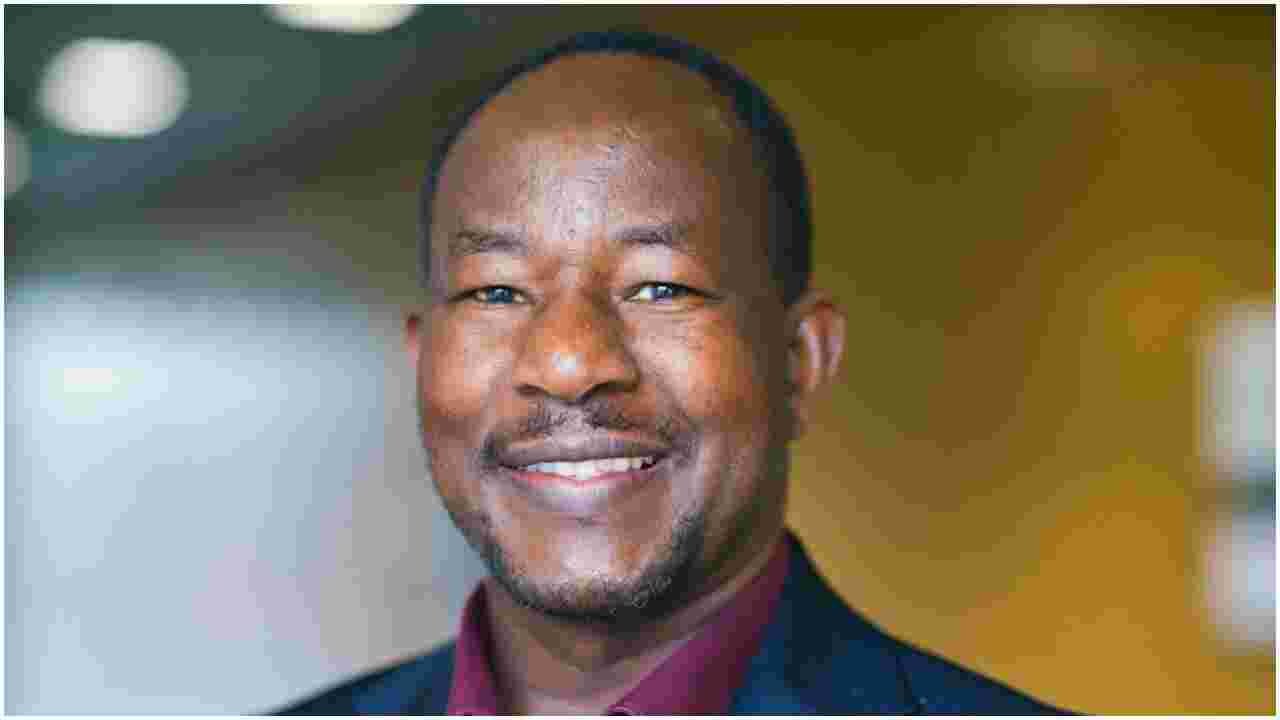
US-based Kenyan-born scholar Jonathan Choti has won the 2022 Carnegie African Diaspora Fellowship Program.
Choti, an assistant professor of African languages and cultures at Michigan State University, received the prestigious fellowship to co-develop and strengthen curriculum, grow research, and mentor graduate students in the Swahili Program at the University of Kabianga in Kenya.
The Carnegie Scholar Fellowship Program supports educational projects at institutions of higher education in Africa and is designed for African-born scholars based in North America.
Choti, who is a faculty member in MSU’s Department of Linguistics, Languages, and Cultures, joins a list of 527 scholars who have received the fellowship since the inception of the program in 2013.
“I feel proud to be a recipient of this prestigious award and to know that hard work, determination, and grit can bear fruit. It’s a confirmation that my work is valuable and fulfilling and a confirmation of my goal to be better every day so I can best help my students,” Choti said.
Choti says he applied for the fellowship as it provides him an opportunity to share his American experience and education in his motherland. He is excited by the possibility of fostering cross-cultural exchanges between MSU and the University of Kabianga.
“Our educational systems are so different. I want to give back and enrich educational programs in Kenya and contribute to their growth. It feels really great to realize I’ll be there sharing knowledge, experience, and skills, and being a role model and motivator of young people,” he said.
Choti, who was born and raised in rural Kisii, attended Kisii High School before joining Egerton University where he pursued a BA with a double major in Swahili and English Linguistics and a minor in Sociology and an MA in English Language and Linguistics through a government scholarship. He then proceeded to Michigan State University to pursue his Ph.D. in Linguistics.
His two-month fellowship at the University of Kabianga, which became a full-fledged university in 2013, kicks off at the end of June and will last through August.



Comments (6)
Swahili are the people Kiswahili is the language.You would think a PHD student would get it right considering this is what he studied
I keep telling we only win Crappy awards that no one cares
You’re probably the only one who don’t care or know how a big an achievement this is. If it’s valuable to Choti, why not just congratulate him, congratulations Mr. Choti.
@Guest "Swahili" is the English name for Kiswahili language in the same way as "Kiingereza" is Swahili name for English.
No Swahili is the people and Kiswahili is the language.English version my foot .Monkey see monkey do.Some lazy uninformed white person or African American could not pronounce Kiswahili and decided to abbreviate everyone else followed including African Americans who now have Kwanzaa .A corrupted version of the Swahili culture.They call themselves African names which they cannot even pronounce like Kenyatta and Kamau.That is what happens when you let non natives tell your story and then you have those who believe that anything from the white man must be better true or fact.Take a trip to the coast or better go to Tanzania enlighten yourself
Congrats congrats 👍🙏🏿