
From H-1B to Green Card: How Foreign Workers Can Secure US Residency
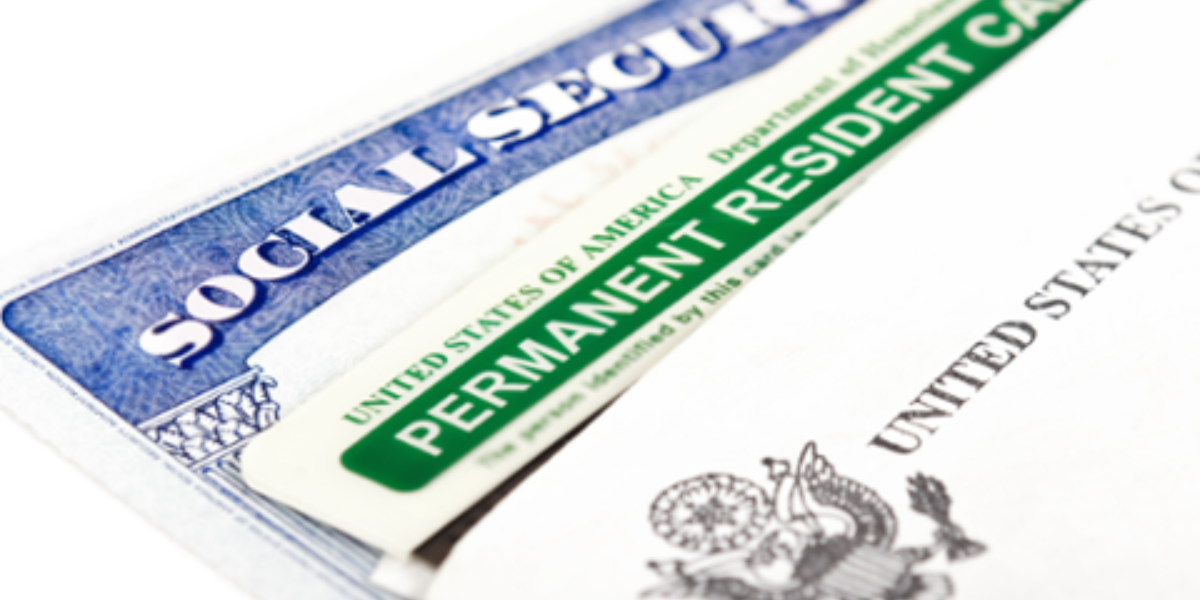
H-1B visa rules for the 2026 lottery season will shift under new measures introduced by the Trump administration, bringing higher costs for employers and a more competitive selection process.
The H-1B programme, a key route for highly skilled foreign professionals seeking work in the United States, is entering a period of notable change. Indian nationals make up more than 70 percent of successful applicants each year, placing particular pressure on the country’s large pool of technology and STEM workers.
Immigration policy has varied across recent administrations. President Biden focused on modernisation and procedural fairness, aiming to streamline systems and widen access.
The Trump administration has taken a more restrictive approach, tightening eligibility and introducing policies designed to prioritise higher-paid roles. These differences reflect broader political debates over the role of foreign labour in sectors that rely heavily on specialised skills.
A central change is a new USD 100,000 employer fee for each H-1B petition, effective from September 2025. This substantial cost is expected to affect smaller firms in particular and may influence which employers choose to sponsor foreign workers.
The administration has also advanced a wage-based allocation system that ranks applicants according to the salaries offered. Higher-paid roles would receive preference, a structure officials say promotes merit but which critics argue may disadvantage younger workers and start-ups.
Applicants preparing for the 2026 season will continue to follow the established multi-step process. Employers must submit petitions under the annual cap, with selections made through a lottery before consular processing can begin.
Candidates must hold at least a US bachelor’s degree or its foreign equivalent in a specialised occupation, and documentation such as academic records, job offers and employer petitions must be submitted with care. An approved H-1B visa provides an initial stay of three years, extendable to six.
Further extensions are possible in limited circumstances, including when the worker has an approved immigrant petition (Form I-140). This process allows certain individuals to remain in the country while awaiting permanent residency.
Employment-based immigrant categories such as EB-1 for priority workers, EB-2 for advanced degree holders and EB-3 for skilled workers offer structured routes to residency when employers provide sponsorship.


Comments
No comments yet — be the first.