
Green Card Lottery DV‑2027: Start Date Delayed, Key Updates for Applicants
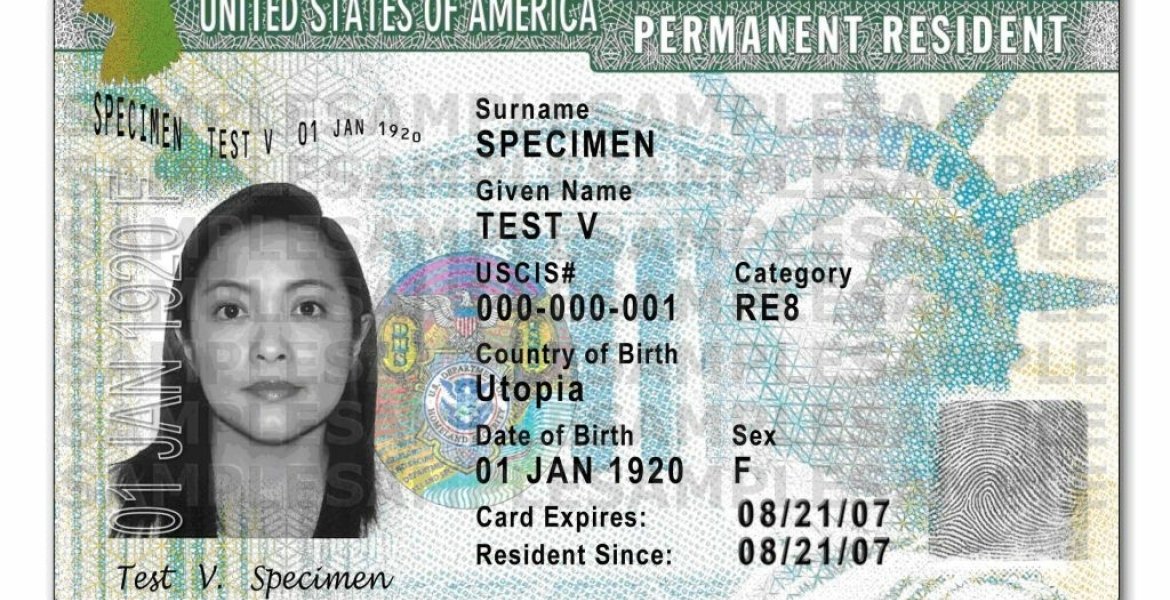
The upcoming DV‑2027 Lottery — the annual draw through which thousands worldwide hope to win a U.S. permanent resident “green card” — has hit unexpected turbulence this year. The U.S. Department of State (DOS) has announced that registration will be delayed while officials implement several major changes to the program.
Although past application windows opened in early October, DV‑2027 has not yet begun. DOS says they will announce the new registration start date "as soon as practicable."
Key Changes for DV‑2027 Entrants
1. $1 Registration Fee
For the first time in the history of the Diversity Visa Lottery, participants must pay a non‑refundable $1 fee at the time of entry.
This modest fee is meant to offset administrative costs and curb fraudulent or duplicate entries. According to DOS, requiring a small fee helps deter automated mass submissions that have in past years clogged the system.
2. Passport Requirement (Possibly for Future Cycles)
Although the DOS considered reintroducing a mandatory valid, unexpired passport requirement for all entrants to enhance identity verification and prevent fraud, the rule apparently will not apply to DV‑2027 submissions. For now, the passport requirement remains optional, but this may change in future lottery rounds.
3. Continued Warning Against Scams
With the delay and changes, many third‑party websites and services have sprung up — claiming to offer “early access,” guaranteed selection, or assistance for a fee. The Department of State strongly urges applicants to rely only on the official portal (dvprogram.state.gov) when submitting entries or checking results, warning that scam services are common.
What Hasn’t Changed — Yet
- Entry will still be submitted electronically; paper applications remain disallowed.
- The limit of one entry per person remains firm — duplicate entries will result in disqualification.
- If selected, winners must still complete visa application and consular processing under existing Diversity Visa rules. The eventual visa‑issuance period for DV‑2027 remains slated between October 1, 2026 and September 30, 2027.
Why the Delay — and What It Means for Applicants
Officials say the delay is necessary to implement the new fee‑collection infrastructure and strengthen the lottery’s fraud‑prevention mechanisms before opening for public registration.
For hopeful applicants, this means staying vigilant: monitor the official DV website for announcements, prepare required documentation (passport photo, eligibility info), and avoid paying any “service fees” to third‑party agents.
The $1 fee is small, but represents a psychological shift — from a free, wide‑open lottery to a more regulated, fee‑based process. It could deter casual or fraudulent entries, but it also raises concerns that even a nominal fee might disproportionately affect low‑income applicants.
What Experts Recommend for Prospective Entrants
- Wait for official announcement — don’t rely on unverified websites or social media.
- Use only the official portal (dvprogram.state.gov) to submit entries.
- Double‑check your entry carefully, including photo guidelines and personal information; simple mistakes cause automatic disqualification.
- Keep track of confirmation details — you’ll need them to check results when they come out (most likely in mid‑2026).
Bottom Line
DV‑2027 brings real change: a new fee, tightened identity safeguards, and a delayed registration opening — all aimed at preserving the integrity of the lottery. For many worldwide, the Green Card Lottery remains one of the few accessible paths to legal permanent residency in the United States. But amid changes and confusion, caution and patience are more important than ever.
If you plan to apply, treat the DV Lottery as a serious application process — not just another hopeful entry.




Comments
No comments yet — be the first.