
Raila Odinga Urges Supreme Court to Dismiss Petition Seeking 2026 Election
Kenya's Supreme Court is poised to rule on a critical legal challenge that could reshape the timeline of the country's next general election.
The petition, filed by lawyers Dr. Owiso Owiso and Ashioya Biko, alongside activist Khelef Khalifa, seeks a constitutional interpretation that would mandate the election be held in August 2026, rather than the currently scheduled 2027 date set by the Independent Electoral and Boundaries Commission (IEBC). The legal challenge pivots on Article 136(2)(a) of the Constitution, which stipulates that elections should be held on the second Tuesday of August in the fifth year following the last election. The petitioners argue that this provision explicitly places the next election in 2026.
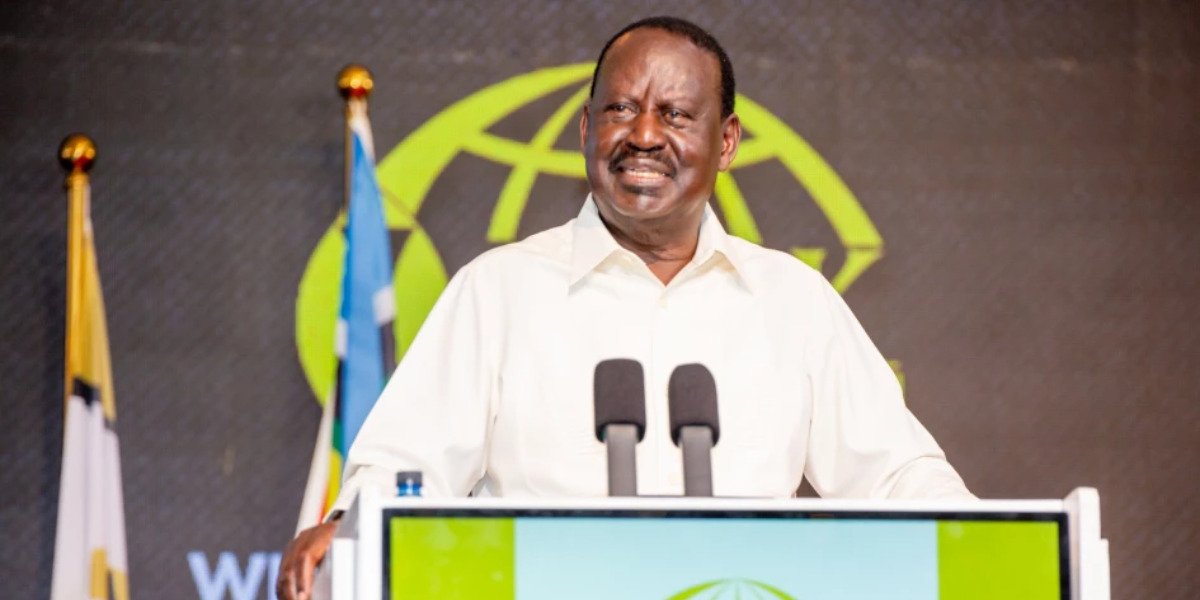
Former Prime Minister Raila Odinga, listed as an interested party, has requested the Supreme Court to dismiss the petition, claiming it is an abuse of judicial process. Odinga's legal representative, Paul Mwangi, contends that the matter has already been conclusively resolved in previous legal proceedings before both the High Court and the Court of Appeal. He cites the principle of "res judicata," asserting that the issue has been previously settled by rulings in six earlier cases, including those filed by politicians Okiya Omtatah, Paul Njoroge Ben, and John Harun Mwau.
In contrast, businessman and opposition politician Jimmy Wanjigi, also an interested party, is advocating for a swift ruling in favour of the petitioners. Through his lawyer, Willis Otieno, Wanjigi argues that the uncertainty surrounding the election date is undermining confidence in Kenya's democratic institutions, creating an environment ripe for political tension and instability. He emphasises the need for the Supreme Court to provide definitive clarification, which he believes is essential to avoid speculation that could erode national cohesion and economic stability.
Attorney-General Dorcas Oduor has indicated that the state intends to oppose the petition, though the formal objection was granted until May 26th, after which the file is to be presented to the court for consideration. This formal step indicates that the matter is gaining judicial traction, with the potential to shape Kenya’s electoral roadmap significantly. The case is emerging as a test of Kenya’s constitutional framework, specifically addressing the extent to which the judiciary should intervene in electoral disputes before the official campaign period begins.
The sensitivity is heightened by Kenya’s history of contested elections, legal battles over poll results, and concerns about the balance of power between the executive and other branches of government. The legal arguments presented focus on whether constitutional provisions should be interpreted strictly, based on numerical calculations, or contextualised within Kenya's broader governance structures. The petitioners emphasise a literal reading of the Constitution, arguing that it mandates elections every five years without exception.
Opponents, conversely, assert that electoral timelines must be viewed in conjunction with existing jurisprudence and practical considerations. While Odinga argues that past court rulings have already settled the issue, Wanjigi warns that lingering doubts over the election date could destabilise Kenya's political environment.
During a case management session on May 23, Supreme Court Deputy Registrar Bernard Kasavuli granted the Attorney-General three days to file her formal objection, after which the file will be presented to the court for consideration. This procedural step signals that the matter is gaining judicial traction, with the potential to shape Kenya’s electoral roadmap significantly.
The Supreme Court's impending decision holds far-reaching consequences for Kenya. A ruling in favour of the petitioners would mean the next election would be rescheduled to August 2026. Alternatively, dismissing the petition would reinforce the existing 2027 election timeline, reaffirming existing judicial precedents.






Comments
No comments yet — be the first.