
Behind the Lens: Kenya’s CCTV Surge Fuels Privacy Battles
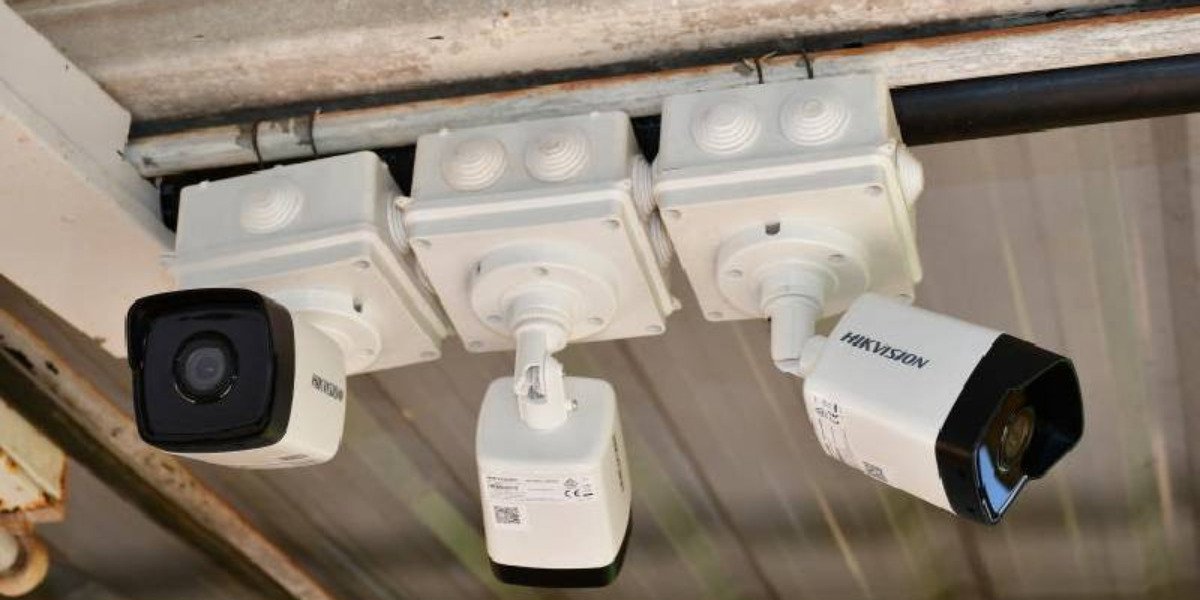
Surveillance cameras are becoming a source of growing dispute in Kenyan neighbourhoods, as residents challenge how far private security measures may intrude on personal privacy.
In Rongai, a couple was ordered to pay Sh200,000 in damages after one of their home-security cameras inadvertently recorded activity inside a neighbour’s kitchen. The homeowners said the device was installed in response to a series of break-ins, but the neighbour argued that the footage captured family routines that were never meant to be observed or stored.
Security systems, once limited to wealthier areas, have become more affordable and common, often extending their view beyond property boundaries and into private spaces. Courts have recently taken a firmer stance against such overreach. In Nairobi, a homeowner in Kilimani was ordered to remove two cameras directed towards a neighbour’s property.
The court ruled that security concerns do not override the constitutional right to privacy under Article 31 and held that homeowners using surveillance equipment act as data controllers who must comply with the Data Protection Act, including seeking consent where appropriate. Other cases have been dismissed due to procedural errors.
In Ngumba Estate, a resident challenging a neighbouring camera lost the case for failing to first approach the ODPC, contrary to the doctrine of exhaustion. In Karen, ODPC investigators found that the cameras under complaint were pointed inward and did not capture activity outside the owner’s compound; the matter was deemed a domestic use exempt from the Act.
Tensions have also emerged in commercial and industrial settings. The Energy Operators’ Association contested an EPRA requirement for LPG dealers to install cameras offering regulators real-time access. They argued that the rule could expose sensitive business information and lacked safeguards on who could view the footage.
The High Court upheld EPRA’s directive on public safety grounds but instructed the regulator to establish clearer rules on data access and retention. Workplaces are experiencing similar pressures, with employees reporting discomfort over constant monitoring.
Some residential communities have introduced internal guidelines requiring residents to register camera locations or apply masking filters to avoid filming neighbouring homes, but these efforts remain inconsistent without national standards. Beyond legal concerns, mental health professionals note that persistent surveillance can increase stress and change how people behave in their own homes.
Some residents say they keep curtains closed, limit outdoor activities and restrict children’s play to avoid being recorded. The ODPC advises property owners to conduct privacy impact assessments before installing cameras, noting that Kenya is defining its privacy expectations at the same time that surveillance technology is expanding.






Comments
No comments yet — be the first.