
Lessons Kenyans Abroad Can Draw from Jesse Jackson’s Life
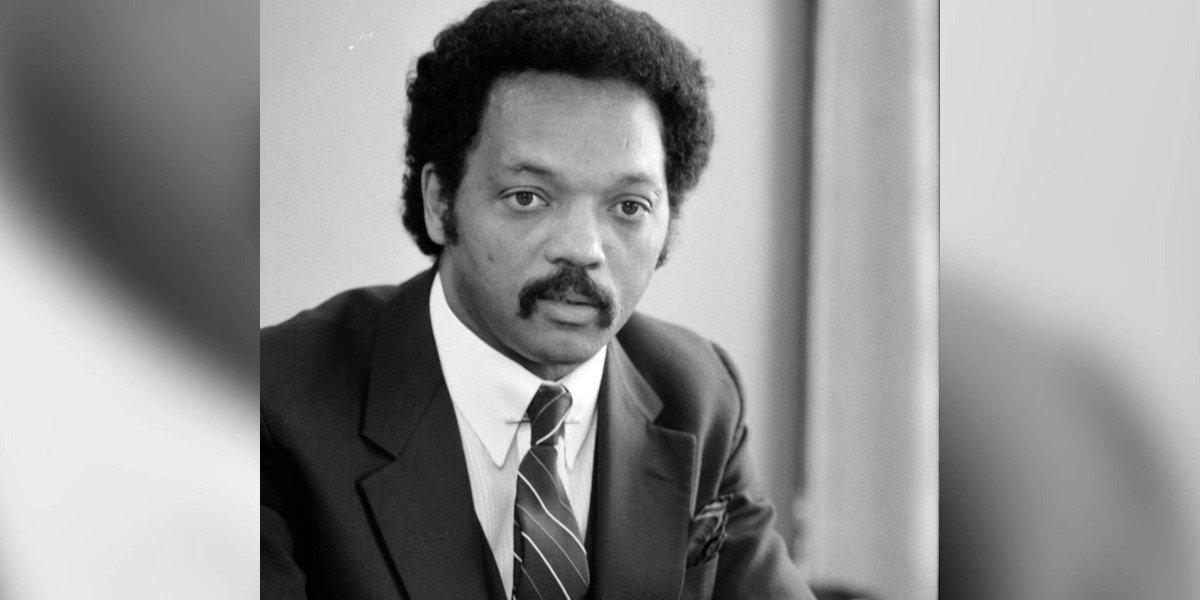
Reverend Jesse Louis Jackson Sr., the American civil rights leader, died on 17 February 2026 at the age of 84.
Born in Greenville, South Carolina, in 1941, Jackson grew up in the segregated South, where poverty and racial discrimination shaped his early life. These experiences drove his commitment to challenge inequality. In the 1960s, he worked alongside Dr Martin Luther King Jr. in the Southern Christian Leadership Conference, helping to mobilise communities in the fight for civil rights.
He later founded Operation PUSH (People United to Serve Humanity), which focused on economic empowerment, education, and political advocacy for African Americans. Jackson’s public life was closely tied to his family. With his wife, Jolene McDaniel, he raised children who pursued careers in public service and advocacy.
Kenya first encountered Jackson in 1997, when he visited as a Special Envoy for the Promotion of Democracy in Africa. At a time when the country was navigating its transition to multiparty politics, he urged leaders and citizens to embrace accountability and peaceful participation.
His presence underscored the importance of international solidarity during moments of political change, a message that continues to resonate with Kenyans abroad. He returned in early 1998, during a period of post-election violence. Visiting Nakuru and other Rift Valley communities, Jackson met families displaced by ethnic clashes and listened to those affected.
By witnessing the human cost of political conflict, he reinforced the principle that reconciliation and justice must be central to national healing. For the diaspora, his actions highlighted the power of standing with communities in times of crisis and amplifying their voices globally.
Jackson’s later visit in 2013, when he attended the inauguration of President Uhuru Kenyatta, symbolised Kenya’s democratic progress. Although largely ceremonial, his presence carried significance, reminding observers that international figures can lend moral support to local milestones.
For Kenyans abroad, such gestures reinforced the value of civic engagement through mentoring, advocacy, and participation in public life. Jackson’s life demonstrated the transformative power of resilience and moral courage.
His call to “keep hope alive” became a rallying cry for those confronting inequality. For Kenyans in the diaspora, his example affirmed that activism is not limited by geography: one can contribute to change both at home and abroad by mentoring, leading, and amplifying marginalised voices.





Comments
No comments yet — be the first.