
Green Card Holders Locked Out of US Small Business Loans
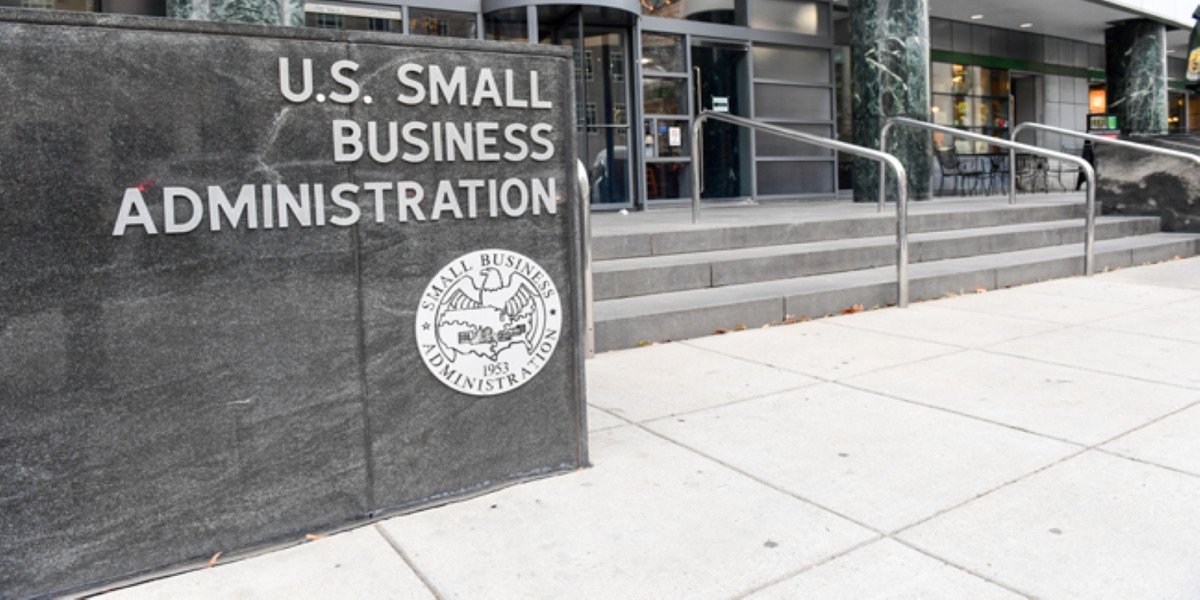
The US Small Business Administration (SBA) will restrict access to its loan programmes to businesses fully owned by US citizens from 1 March 2026, excluding lawful permanent residents from eligibility.
The change, announced by SBA Administrator Kelly Loeffler, applies to several of the agency’s main financing programmes, including the 7(a) and 504 loan schemes as well as the Surety Bond and Microloan programmes. These initiatives provide funding for equipment purchases, property acquisition, and working capital.
They have long served small businesses that struggle to obtain credit through conventional lenders. Loeffler said the policy ensures that limited SBA resources are directed to American citizens who start businesses and create jobs in the United States.
The rule represents a clear shift from previous eligibility standards. Until mid-2025, companies qualified for SBA support if at least 51 per cent of ownership belonged to US citizens or lawful permanent residents. That requirement was later raised to full ownership by citizens or green card holders.
Under the new policy, businesses must now be entirely owned by US citizens. Any level of non-citizen ownership, including by a green card holder, makes a business ineligible.
The effect is immediate. SBA figures indicate that about 3,300 active loans involve companies with at least one lawful permanent resident among their owners, accounting for roughly 4 per cent of the agency’s portfolio. Many of these firms operate as franchises or family businesses within immigrant communities.
Indian American entrepreneurs are among the most frequent users of SBA-backed loans. In the 2024 fiscal year, Asian American-owned businesses received more than $7 billion in SBA-supported financing. In families where parents hold green cards and children are US citizens, the rule prevents businesses from using SBA loans to expand.
Business owners and community organisations have criticised the decision. Restaurateur Aneesa Waheed, a former SBA award recipient, said the change is difficult for many entrepreneurs who hold permanent residency but are not yet citizens. She noted that these business owners pay federal taxes and employ American workers while relying on SBA financing to operate and grow.
Several lawmakers have also expressed concern. Members of the Congressional Asian Pacific American Caucus said the measure could limit innovation and economic activity. They noted that the naturalisation process can take several years, leaving many established business owners without access to the programme during that period. Without SBA support, these entrepreneurs may face higher borrowing costs and fewer financing options.
The policy aligns with the broader economic approach of the administration of Donald Trump, which emphasises “America First” priorities in trade, immigration, and domestic investment. Loeffler, a former senator from Georgia and a close political ally of the president, has used the SBA to advance that agenda. Her leadership has included relocating agency offices away from sanctuary cities and introducing stricter citizenship verification requirements.



Comments
No comments yet — be the first.