
Escalating Violence in Lebanon as Israeli Attacks Claim 22 Lives in 24 Hours

In a dramatic escalation of hostilities, Israeli airstrikes on Lebanon have resulted in at least 22 fatalities within a 24-hour period, according to reports from the Lebanese Ministry of Health. The attacks, which began late last night, have raised alarms across the region and prompted international calls for restraint.
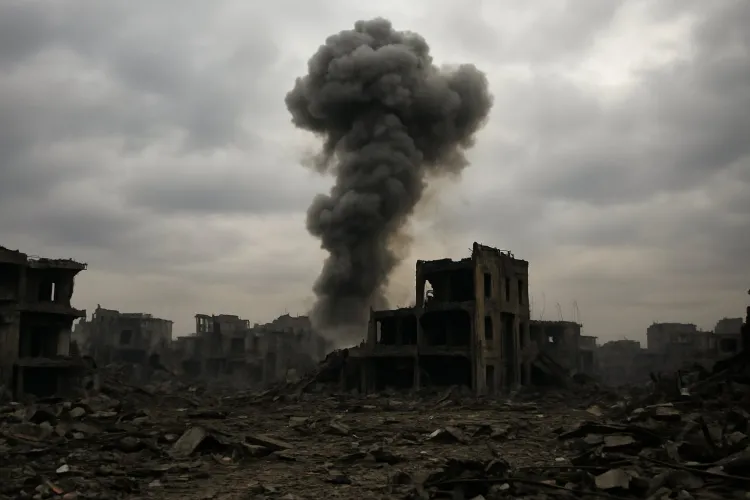
The Israeli military confirmed that the airstrikes targeted sites associated with Hezbollah, the militant group based in Lebanon, which Israel considers a terrorist organization. The strikes reportedly hit multiple locations in southern Lebanon, including residential areas, leading to significant civilian casualties. Eyewitness accounts describe scenes of devastation, with buildings reduced to rubble and families displaced.
The toll of 22 dead includes women and children, with many more injured. Hospitals in southern Lebanon are reportedly overwhelmed with casualties, struggling to provide adequate medical care amidst the chaos. Local officials have expressed concern over the humanitarian implications of the ongoing conflict, warning that the situation could deteriorate rapidly if hostilities continue.
This latest round of violence comes amid heightened tensions in the region, exacerbated by the ongoing Israeli-Palestinian conflict and recent clashes in Gaza. The situation has been further complicated by the geopolitical dynamics in the Middle East, with various nations taking sides and calling for interventions. Hezbollah has vowed to retaliate against Israel, raising fears of a broader conflict that could engulf the region.
The international community has reacted with alarm to the escalation. The United Nations has called for an immediate ceasefire and urged both parties to exercise restraint. Diplomatic efforts are underway to de-escalate the situation. The U.S. State Department has issued a statement urging Israel to minimize civilian casualties while reaffirming its right to defend itself.
The Israeli-Lebanese conflict is deeply rooted in historical grievances, territorial disputes, and religious tensions. Lebanon has been a battleground for various regional and international powers, and the presence of Hezbollah adds another layer of complexity to the situation. The group has been involved in multiple conflicts with Israel since its founding in the early 1980s, and its influence continues to shape the dynamics of Lebanese politics.
As the situation develops, the potential for further violence remains high. Analysts warn that without immediate diplomatic intervention, the conflict could escalate into a full-scale war, drawing in neighboring countries and potentially destabilizing the region further. The humanitarian crisis in Lebanon is likely to worsen, with civilians bearing the brunt of the violence.




Comments
No comments yet — be the first.