
US Signals Military Readiness Amidst Iran Nuclear Negotiations: Implications for Global Stability

The United States has escalated its rhetoric regarding Iran, with Vice President JD Vance stating that the U.S. is "locked and loaded" for military action if ongoing negotiations concerning Iran's nuclear program collapse. This statement reflects heightened tensions and a potential shift in U.S. foreign policy regarding one of the Middle East's most contentious issues.
Iran's nuclear ambitions have been a focal point of international concern for over two decades. The Islamic Republic has consistently maintained that its nuclear program is for peaceful purposes, while Western nations, particularly the U.S. and its allies, have accused Iran of seeking to develop nuclear weapons capabilities. The 2015 Joint Comprehensive Plan of Action (JCPOA) aimed to curb Iran's nuclear activities in exchange for sanctions relief. However, the U.S. withdrawal from the agreement in 2018 under the Trump administration significantly escalated tensions.
In the wake of the U.S. withdrawal, Iran began to breach the terms of the JCPOA, enriching uranium beyond the agreed limits and increasing its stockpile. Diplomatic efforts to revive the agreement have been ongoing but fraught with challenges. The recent remarks from Vice President Vance come as negotiations appear to be reaching a critical juncture, with both sides facing mounting pressure to either reach an agreement or prepare for potential conflict.
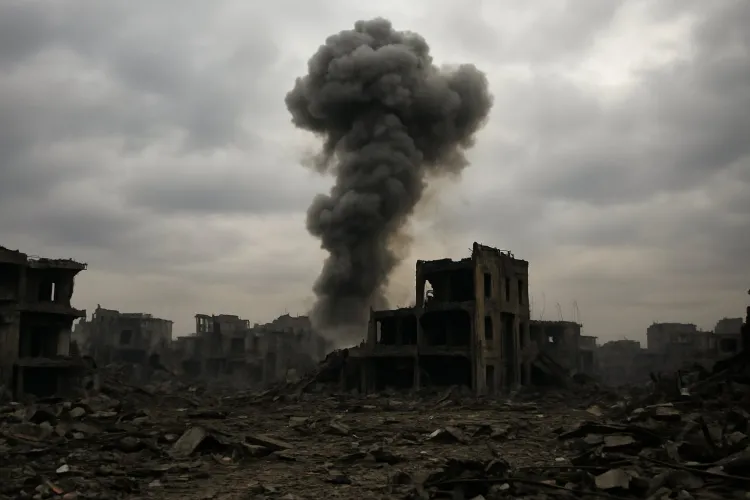
The implications of U.S. military action against Iran could be far-reaching, not only for the Middle East but also for global stability. A military strike could further destabilize an already volatile region, leading to retaliation from Iran against U.S. interests and allies, including Israel and Gulf states. Such a scenario could draw in other nations, creating a broader conflict that may have significant repercussions for international trade and security.
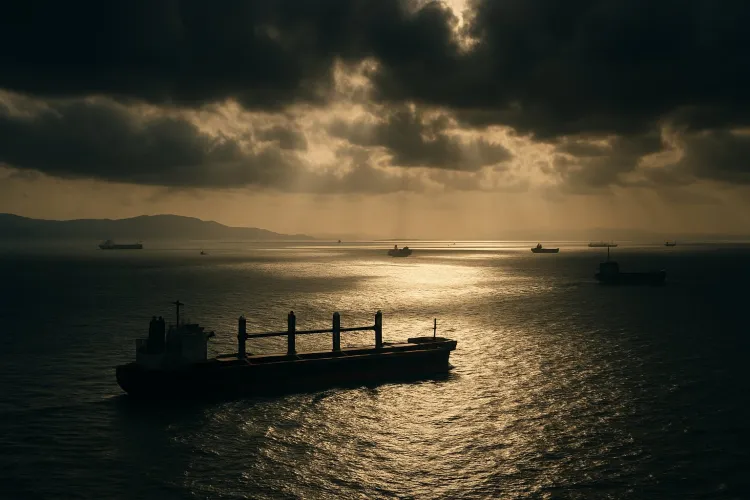
Iran is a key player in the global oil market, and any military action could disrupt oil supplies, leading to increased prices worldwide. The potential for conflict in the Persian Gulf has historically led to fluctuations in oil prices, which can have a cascading effect on the global economy.
The situation in Iran has broader implications for geopolitical alliances and economic partnerships. Several nations rely on oil imports, and increased prices could strain their economies. Additionally, the ripple effects of a conflict in the Middle East could lead to increased migration pressures, as instability often forces populations to seek refuge in safer regions.




Comments
No comments yet — be the first.