
New USCIS Guidance Sets Standards for Evaluating Green Card Applications
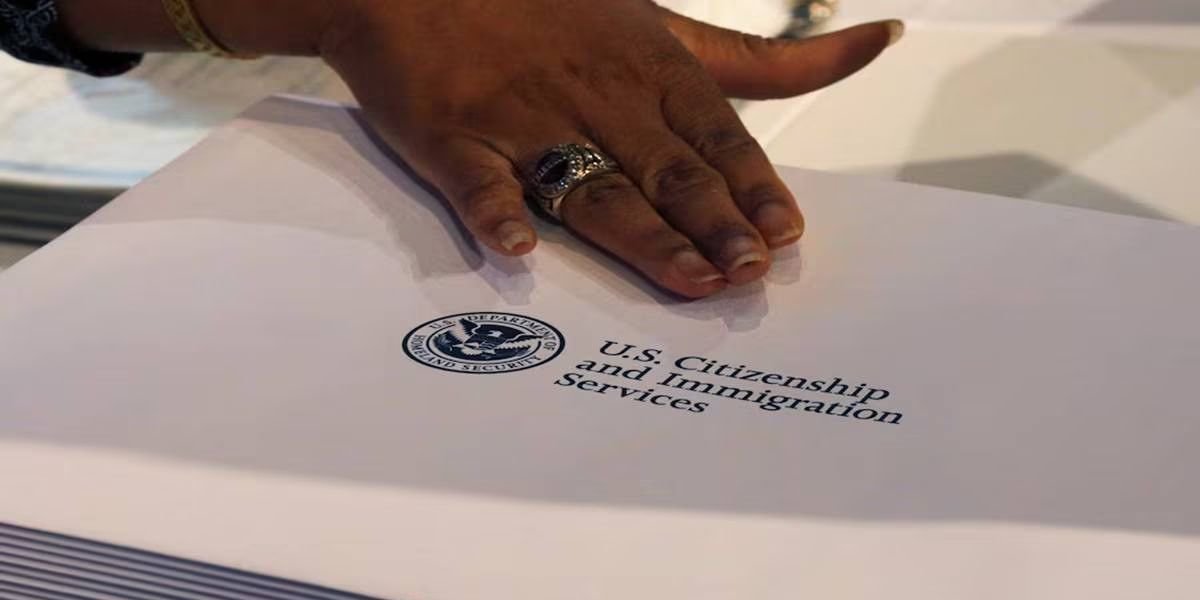
USCIS has issued new guidance directing many green card applicants to pursue consular processing abroad instead of applying for permanent residency from within the United States through adjustment of status.
Adjustment of status, authorised under Section 245 of the Immigration and Nationality Act, has long allowed international students, temporary workers, and tourists to apply for permanent residency without leaving the country. Under the revised guidance, USCIS says that this process is not an automatic entitlement but an “extraordinary discretionary” measure intended for limited circumstances rather than as a routine alternative to consular processing.
The memorandum instructs immigration officers to assess applications based on the “totality of circumstances” before granting approval. The guidance indicates that adjustment of status requests will face closer scrutiny and that applicants will need to present strong reasons in support of their cases.
USCIS officers and consular officials are expected to examine several factors when reviewing applications. These include immigration violations, fraud or misrepresentation in dealings with government agencies, and conduct that conflicts with the conditions of a non-immigrant visa.
Positive factors such as family connections, moral character, and long-term contributions to US society may also be considered when determining eligibility for permanent residency. The policy change has created uncertainty for skilled foreign workers, particularly those on H-1B visas, who often rely on adjustment of status while remaining in the United States under temporary work authorisation.
USCIS has said that the principle of “dual intent”, which permits H-1B holders to seek permanent residency while holding a temporary visa, will remain in place. Officials have also indicated that highly skilled workers are not expected to face immediate disruption under the new guidance.
Applicants whose adjustment of status requests are denied will receive written explanations outlining the reasons for refusal. USCIS has instructed officers to provide detailed assessments explaining why negative factors outweigh any positive considerations in each case.
The revised policy reinforces consular processing as the standard route to permanent residency and narrows the use of discretionary relief within the United States. For many applicants, the requirement to apply from abroad is expected to increase costs, extend processing times, and add further uncertainty to the immigration process.
Under the new approach, adjustment of status will no longer function as a routine pathway to permanent residency. Instead, USCIS says it will be reserved for exceptional cases, with consular processing abroad becoming the default process for most applicants.






Comments
No comments yet — be the first.