
Confusion Rises Over Trump's New Green Card Policy
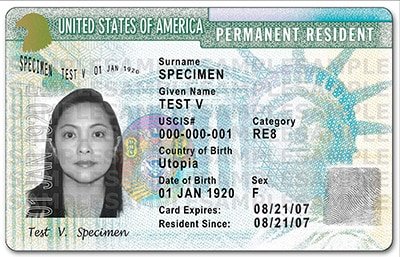
The recent announcement of a new green card policy by President Donald Trump's administration has sparked confusion and concern among immigrants and advocacy groups. The policy, which alters the criteria for obtaining a green card in the United States, has led to widespread uncertainty about its implications for future applicants.
The United States Citizenship and Immigration Services (USCIS) has implemented new rules that prioritize economic self-sufficiency among green card applicants. This change is part of a broader strategy aimed at reducing the number of immigrants reliant on public benefits. According to the policy, applicants must now demonstrate they are unlikely to become a public charge, a term used to describe individuals dependent on government assistance.
This policy shift comes after a series of immigration-related changes enacted during Trump's tenure, which focused on tightening entry requirements and enforcing stricter immigration controls. While the policy is currently in effect, its long-term impact remains uncertain as it faces potential legal challenges.
Critics argue that the policy disproportionately affects low-income immigrants, potentially barring them from obtaining permanent residency. Legal and advocacy groups have expressed concerns that this could discourage immigrants from seeking necessary public services, even when eligible, out of fear that it might negatively impact their green card applications.
Proponents of the policy, however, argue that it is a necessary measure to ensure that immigrants contribute to the economy and do not become a financial burden. They maintain that the policy encourages self-reliance and aligns with the broader goals of immigration reform aimed at prioritizing skilled and economically independent individuals.
USCIS officials have indicated that the application process will now include a more comprehensive assessment of an applicant's financial history, including income, assets, and credit score. Additional factors such as age, education, and health will also play a role in the decision-making process.
In response to the policy, several lawsuits have been filed, challenging its legality and arguing that it violates the principles of family reunification and humanitarian protection that underlie U.S. immigration law. These legal challenges are expected to be heard in the coming months, potentially impacting the policy's implementation.
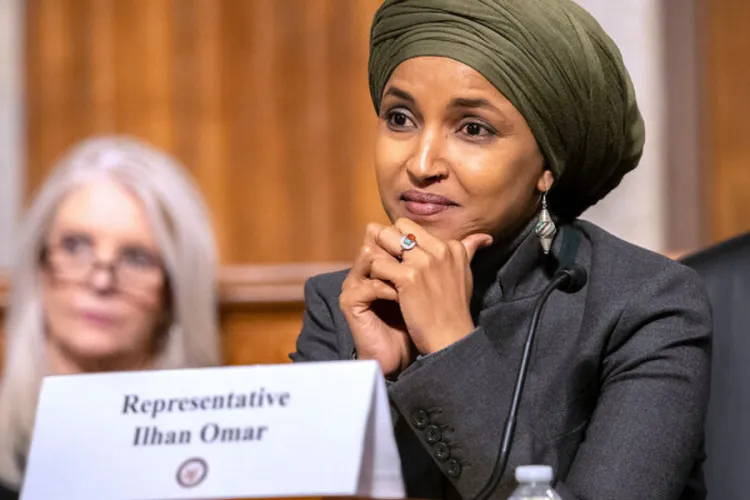
The policy has also generated debate within Congress, where lawmakers are divided along partisan lines. Some Democrats have criticized the policy as discriminatory and contrary to American values, while Republicans have largely supported the changes, citing the need for immigration reform that prioritizes economic contributions.
In the interim, immigration lawyers and advocacy groups are advising applicants to prepare thoroughly for the new requirements, emphasizing the importance of providing comprehensive documentation to support their financial independence. They are also urging applicants to seek legal guidance to navigate the complex and evolving landscape of immigration law under the new policy.
The introduction of this policy highlights the ongoing complexities and challenges within the U.S. immigration system. As the situation develops, both immigrants and policymakers will need to adapt to the changing rules and navigate the uncertainties that come with such significant policy shifts.




Comments
No comments yet — be the first.