
COP30 Summit Sees Sparse Attendance as Key Leaders, Including Trump, Opt Out
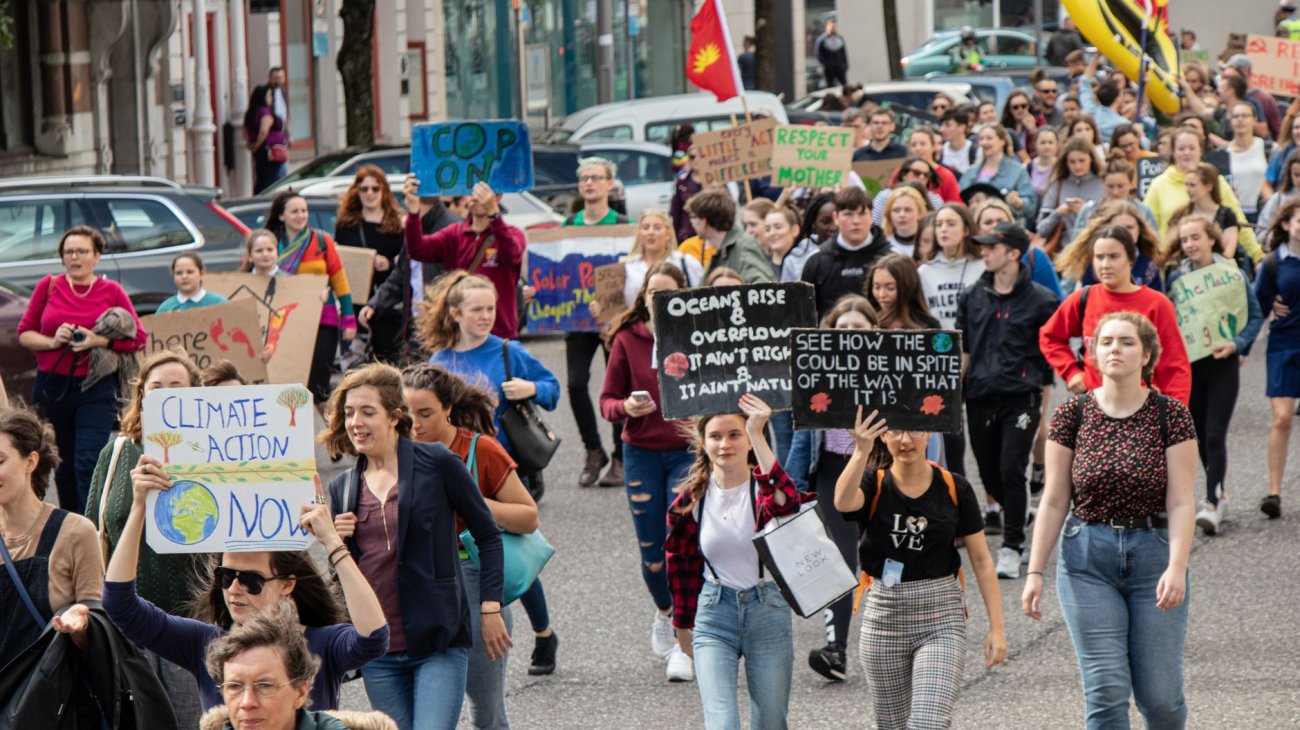
The 30th Conference of the Parties to the United Nations Framework Convention on Climate Change (COP30) faces significant challenges as several pivotal global leaders, including U.S. President Donald Trump, abstain from attending. The summit, crucial for furthering international climate policy, has seen waning participation, raising questions about its effectiveness and future relevance.
President Trump's absence is particularly notable given the United States' historical role in shaping global climate initiatives. His administration has been characterized by a retreat from previous commitments, notably the withdrawal from the Paris Agreement during his first term. White House Press Secretary noted in a recent briefing, "The President believes that tangible economic growth and energy independence are the most effective ways to address environmental concerns, rather than participating in global summits that lack enforceable outcomes."
In addition to Trump, several other world leaders have chosen not to attend, including those from key EU nations and BRICS countries, reflecting a broader skepticism about the efficacy of COP meetings. The United Kingdom's Keir Starmer and Canada's Mark Carney, both vocal advocates for climate action, have nevertheless sent delegations, signaling a continued commitment to the dialogue, albeit from a distance.
The summit's reduced attendance has sparked debate among environmental groups and policymakers. Critics argue that without the participation of major polluting nations, the dialogues risk becoming ineffectual exercises. "The absence of influential leaders like President Trump undermines the collaborative spirit necessary to tackle climate change comprehensively," stated Patricia Espinosa, former Executive Secretary of the UNFCCC.
The implications of this diminished engagement extend beyond the conference halls. Developing nations, particularly in Africa, which are disproportionately affected by climate change, may face stalled progress in securing financial and technological support for adaptation efforts. These countries often rely on commitments made in COP forums to aid in building resilience against climate-induced challenges.
Despite the setbacks, some progress is anticipated in specific areas such as carbon market mechanisms and green technology exchanges. The European Union has committed to advancing discussions on the implementation of Article 6 of the Paris Agreement, which governs international carbon trading. However, the absence of key stakeholders might limit these initiatives' global impact.
As COP30 unfolds, the focus now shifts to how remaining participants will navigate the negotiations and what outcomes can be realistically expected in the current geopolitical climate. The absence of key leaders underscores the need for re-evaluating the structure and goals of future COP summits to ensure sustained engagement and tangible results.




Comments
No comments yet — be the first.