
Japan's Bear Encounters Highlight Growing Human-Wildlife Conflict Amid Climate Change
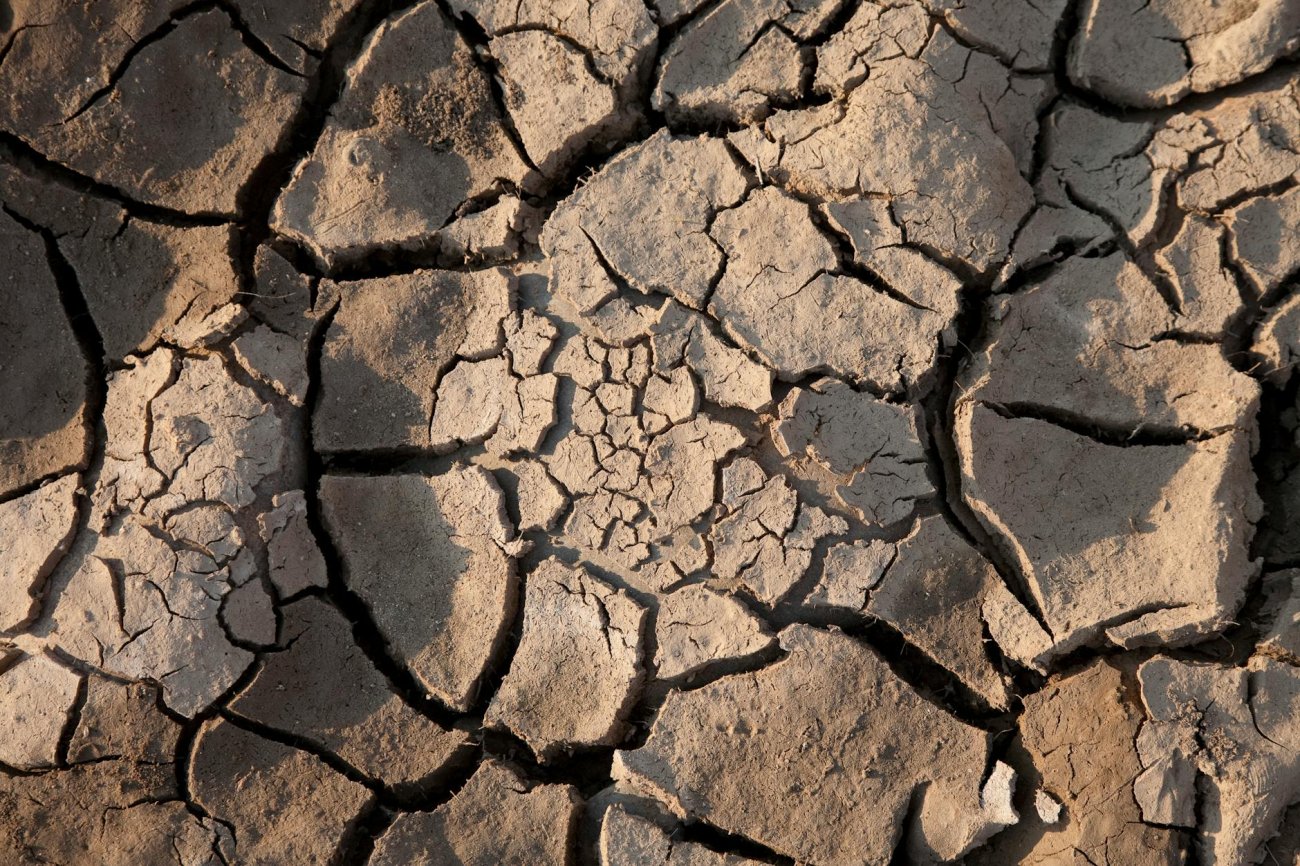
As Japan grapples with an increasing number of Asiatic black bear sightings and incidents, the encroachment of wildlife into human settlements is becoming a pressing concern. Recent reports highlight a pattern of bears breaking into homes and raiding pantries, a phenomenon attributed to the impacts of climate change and shifting demographics. These encounters pose a significant threat to both human safety and wildlife conservation, prompting authorities to seek sustainable solutions.
The Japan Bear Network, a coalition of wildlife experts and conservationists, has raised alarms over the growing frequency of bear encounters in residential areas. "Climate change is altering the availability of natural food sources, driving bears into human habitats in search of sustenance," noted Takayuki Saito, a spokesperson for the network. The bears' traditional diet is primarily composed of nuts and berries, which have become scarce due to unfavorable weather patterns.
In addition to climate change, Japan's aging and declining rural population has resulted in less human activity in mountainous regions, allowing bears to venture closer to populated areas. This demographic shift has created a vacuum in these regions, reducing the deterrent effect that human presence traditionally provided. Statistics from the Japanese Ministry of the Environment indicate that bear encounters have increased by 60% over the past five years, with hundreds of incidents reported annually.
The government is taking measures to address these challenges, focusing on public awareness campaigns and habitat preservation. The Ministry of Agriculture, Forestry and Fisheries has launched initiatives to restore and protect natural bear habitats to reduce dependency on human food sources. "We are committed to balancing wildlife conservation with public safety," stated Environment Minister Koichi Takemura, emphasizing the need for coexistence strategies.
Authorities are also investing in technology to monitor bear movements and prevent human-bear conflicts. Innovative solutions, such as the deployment of drones equipped with infrared cameras, have been proposed to track bear populations and anticipate potential incursions into urban areas. However, experts warn that technology alone cannot resolve the issue without addressing the root causes, such as habitat degradation and food scarcity.
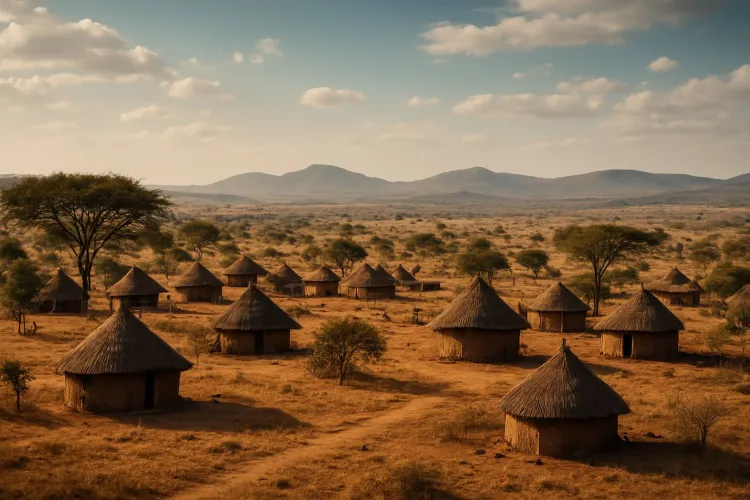
The situation in Japan echoes similar challenges faced by other countries experiencing wildlife encroachment due to environmental changes. In regions of Africa where human settlements border wildlife reserves, conflicts between communities and animals like elephants and lions have prompted initiatives to create buffer zones and promote community-based conservation efforts.
As the international community observes Japan's approach to managing the bear conflict, it underscores a broader need for integrated conservation policies that consider ecological, social, and economic factors. The lessons learned may serve as a valuable reference for other nations confronting similar dilemmas in their efforts to harmonize human development with wildlife preservation.





Comments
No comments yet — be the first.