
Trump Criticizes Canada Over Wildfires Affecting U.S. Air Quality
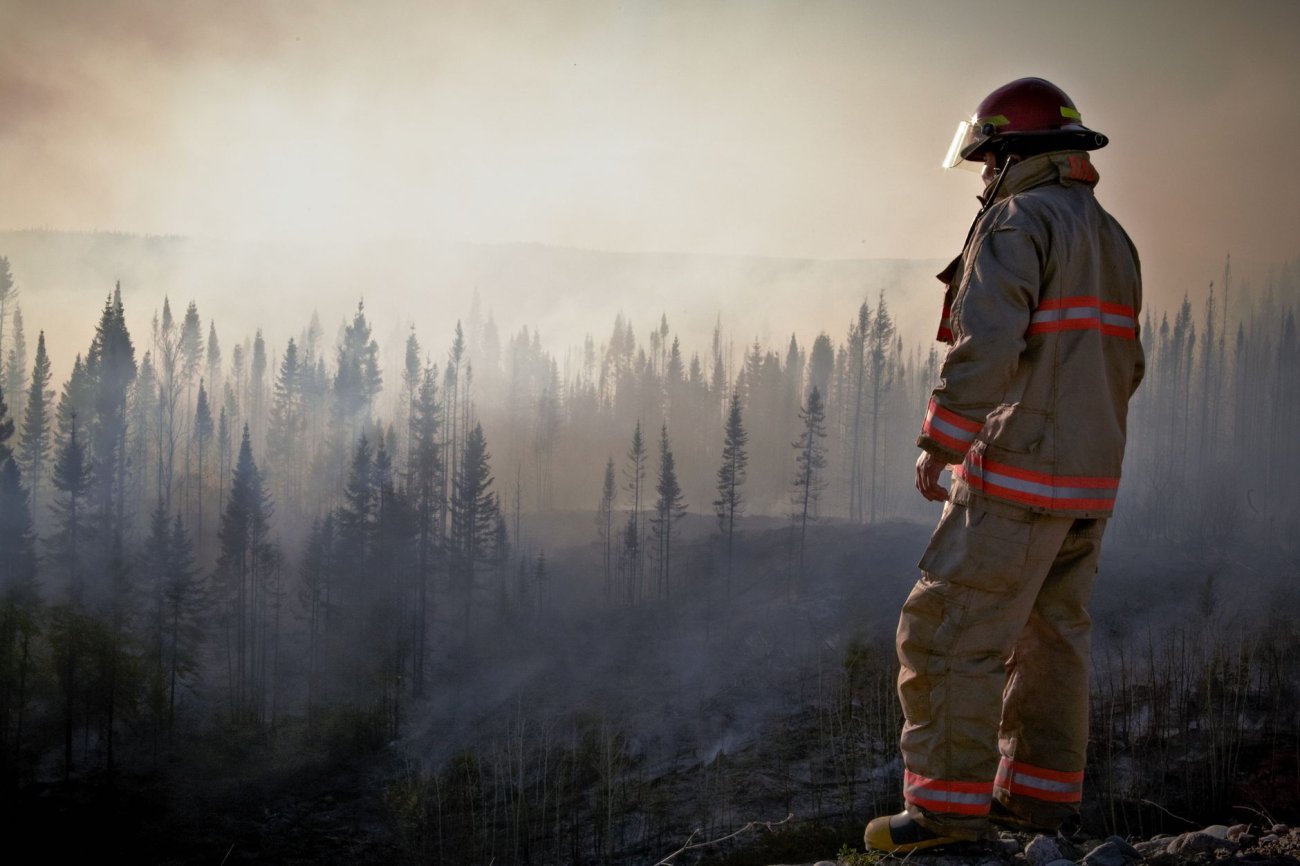
The ongoing Canadian wildfires have become a point of contention between the United States and Canada as President Donald Trump voiced his concerns over the environmental impact on U.S. air quality. The matter was brought to the forefront during discussions between Trump and Canadian Prime Minister Mark Carney at the World Cup Final held in New Jersey. With over 30 million hectares of Canadian forest burned this year alone, the fires have sent plumes of smoke across North America.
"The smoke from these fires is not just a Canadian issue," President Trump stated, emphasizing the transboundary nature of air pollution. "We must work together to address this problem before it becomes unmanageable." The U.S. Environmental Protection Agency (EPA) has reported a substantial increase in air quality alerts across several northern states, citing particulate matter from the wildfires as a significant concern.
Prime Minister Carney acknowledged the gravity of the situation and reinforced Canada's commitment to environmental management. "Our government is investing in advanced fire prevention and response technologies," Carney commented. "We are also exploring collaborative efforts with our American partners to mitigate the impact of these fires." Canada has allocated over CAD 2 billion in its latest budget to enhance firefighting capabilities and climate resilience programs.
Environmental experts have highlighted the role of climate change in exacerbating the frequency and intensity of wildfires globally. The World Meteorological Organization (WMO) has reported a 20% increase in global wildfire activity compared to a decade ago. "These fires are a stark reminder of the urgency with which we must address climate change," stated WMO Secretary-General Petteri Taalas. "Cooperative international efforts are essential to manage and prevent such environmental disasters."
The implications of the Canadian wildfires extend beyond North America. Similar climate conditions threaten regions in Africa, where fire seasons are also intensifying. Countries like Mozambique and South Africa have reported rising wildfire incidents, prompting calls for increased international support in developing fire management strategies.
As the U.S. and Canada navigate the immediate challenges posed by the wildfires, the broader focus remains on long-term solutions. Policymakers from both nations are expected to engage in further dialogue at upcoming climate summits, with the aim of forging stronger bilateral agreements to combat environmental threats. Meanwhile, the impact on public health and ecosystems continues to demand urgent attention from environmental agencies and governments alike.



Comments
No comments yet — be the first.