
US, Canada Escalate Middle East Travel Warnings, Leaving Thousands of Kenyans on Edge
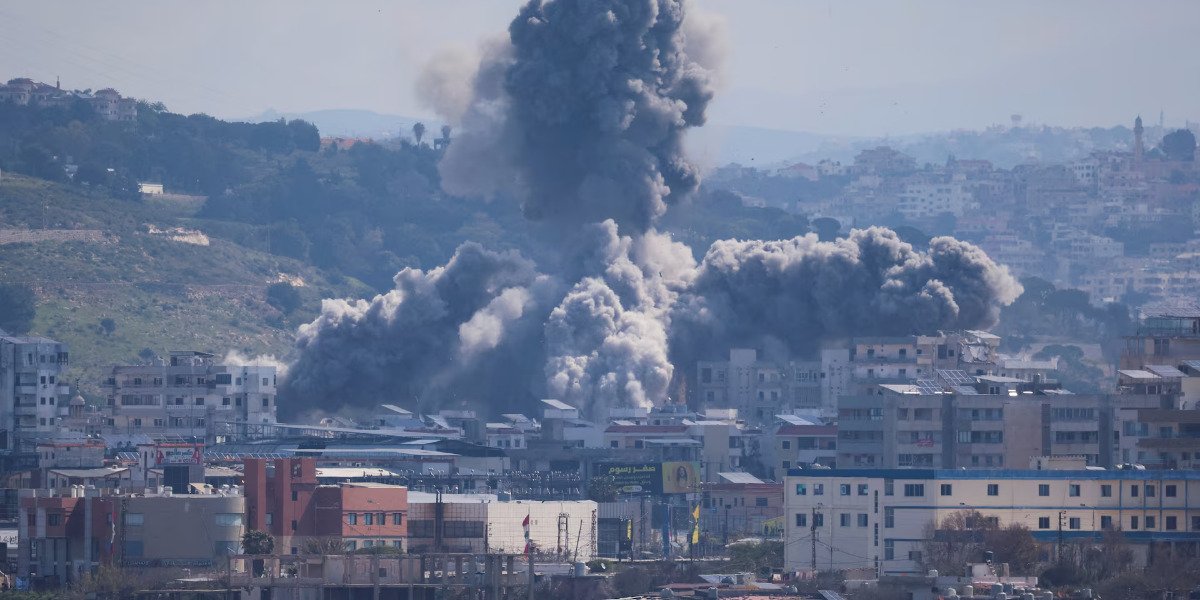
Western governments have issued new security warnings and travel advisories as tensions in the Middle East continue to rise, leaving many Kenyans living and working in the region facing growing uncertainty.
The conflict, driven by renewed hostilities between Iran and the United States, has prompted a series of travel alerts and operational changes that reflect the worsening security situation. The United States has issued a global advisory, warning its citizens that conditions across the Middle East remain unpredictable and could change quickly.
It said travellers should expect possible airspace closures and flight disruptions and advised them to check airline schedules before travelling. Canada has adopted a stricter approach, advising its citizens not to travel to Iran, Iraq, Syria and Yemen. It has also warned against non-essential travel to Israel, Jordan, Saudi Arabia and several Gulf states.
European governments have also taken precautionary measures. France has suspended operations at its embassy in Tehran and evacuated staff because of security concerns. Air France has also suspended flights to Saudi Arabia, the United Arab Emirates and Lebanon.
The United Kingdom has confirmed that it has temporarily withdrawn some staff from its embassy in Tehran as a precaution. The developments have significant implications for Kenya. The State Department for Diaspora Affairs has not issued updated guidance despite the escalating situation.
Official figures show that almost 500,000 Kenyans live across the Middle East, with smaller communities in Iran and Israel. Earlier this year, the Kenyan government evacuated a group of citizens from Iran through Türkiye after fighting intensified, highlighting the risks faced by Kenyans living in the region during periods of conflict.
Iranian media have reported that US forces carried out strikes in several cities over the past two weeks. Tehran has also said it launched drone attacks against US military bases in Bahrain and Jordan. The reported attacks have raised concerns that the conflict could spread further across the region and cause more disruption to commercial flights using major Middle Eastern air hubs.






Comments
No comments yet — be the first.