
Ruto Faces Tough Choice for 2027 Running Mate After Key By-Election Wins
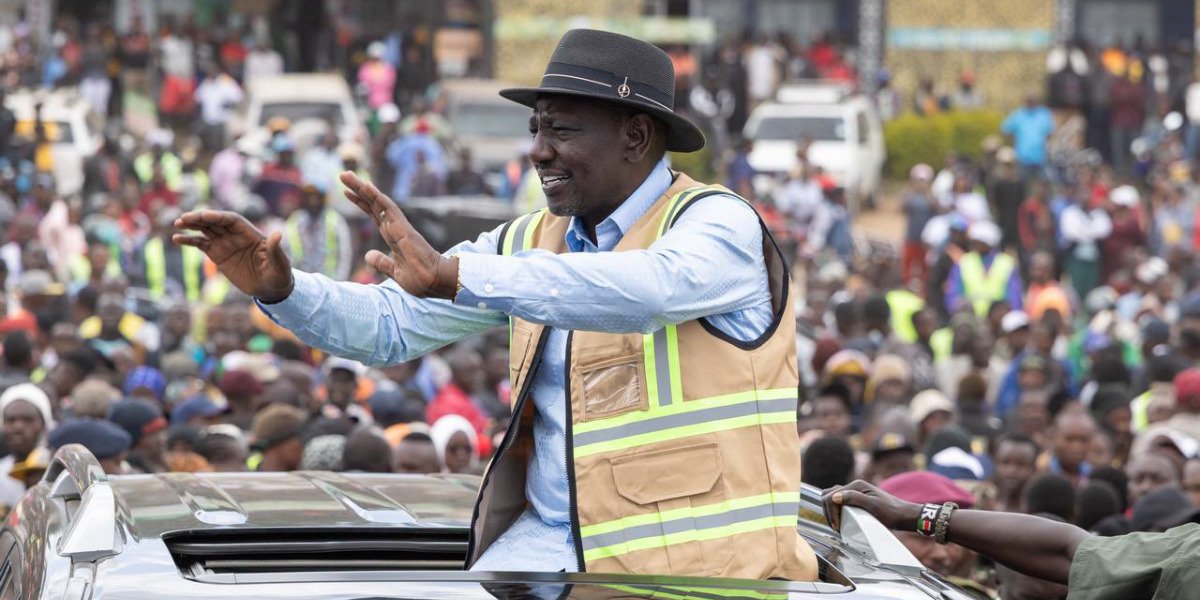
President William Ruto’s bid for re-election in 2027 is increasingly shaped by the search for a running mate, a decision complicated by recent by-election results that strengthened several potential contenders.
The contests elevated three figures with distinct regional strengths: Deputy President Kithure Kindiki, who led the United Democratic Alliance (UDA) effort in Mbeere North; Homa Bay Governor Gladys Wanga, who guided the ODM cooperation teams in Ugunja and Kasipul; and Prime Cabinet Secretary Musalia Mudavadi, who oversaw the Malava race in Kakamega.
Each delivered victories for their parties, leaving Ruto without a clear justification to sideline any of them and intensifying the debate over who should join his 2027 ticket. Analysts argue that the political alliances that shaped the 2022 campaign have shifted.
Political strategist Phillip Kisia says the President is now pressed to reorganise his coalition to maintain electoral strength, noting that the earlier framework no longer applies. According to Kisia, any reshuffle will likely prioritise electoral numbers over policy considerations.
Key regions that backed Ruto in 2022 remain unsettled. Mt Kenya gave him 87 per cent of its vote, while Western Kenya added roughly half a million votes to his narrow margin over Raila Odinga. Yet tensions have emerged in both areas.
The impeachment of Rigathi Gachagua and his replacement with Kindiki have unsettled sections of Mt Kenya, while Raila’s death has fractured ODM, with Wanga’s wing open to cooperation and Edwin Sifuna’s faction resisting any deal.
ODM elder Dr Oburu Oginga has indicated readiness to work with Ruto, but only if the deputy presidency is offered.
Analysts say the demand reflects a push for institutional influence rather than symbolic inclusion, with Prof Peter Kagwanja viewing it as an attempt to secure concrete power within government. At the same time, Ruto faces resistance from two emerging opposition blocs: the United Opposition, led by Gachagua, Kalonzo Musyoka, Eugene Wamalwa, Fred Matiang’i and George Natembeya, and the Kenya Moja Alliance, which pulls members from both sides of the political divide.
Political scientist Festus Wangwe argues that the by-election victories have complicated Ruto’s choices rather than clarified them, strengthening the bargaining position of all major players. Electoral data from the Independent Electoral and Boundaries Commission highlights the scale of the challenge.
Central Kenya accounts for 3.2 million votes, with Mt Kenya East adding 1.4 million. Nyanza contributes 3.1 million, including nearly one million from the Abagusii community. Western holds 2.2 million votes, while Lower Eastern has 1.7 million. Analysts broadly agree that any running mate must secure a significant share of one of these blocs to meet the constitutional requirement of 50 per cent plus one.
Potential candidates span both government and opposition ranks. Mt Kenya options include Kindiki, Gachagua, Anne Waiguru, Cecily Mbarire, Mwangi Kiunjuri, Ndindi Nyoro and Irungu Kang’ata. Nyanza contenders include Wanga, Matiang’i, Winnie Odinga and Babu Owino.
Western lists Mudavadi, Moses Wetang’ula, Natembeya and Sifuna, while Lower Eastern features Kalonzo Musyoka and Alfred Mutua. Wangwe notes that political negotiation remains possible across both sides of the aisle. Resistance persists among some figures.
Natembeya has rejected any cooperation, criticising Ruto sharply, while Matiang’i has accused UDA of malpractice in Malava and vowed to strengthen the Wantam movement aimed at defeating the President.
However, allies such as Kiunjuri insist that the deputy presidency should remain with Mt Kenya. He argues that the Mbeere North victory shows the region still supports Ruto and that renewed engagement could secure the President’s prospects in 2027.

Comments
No comments yet — be the first.