

Why You Should Rethink Using Himalayan Salt and Cayenne Pepper as Health Remedies
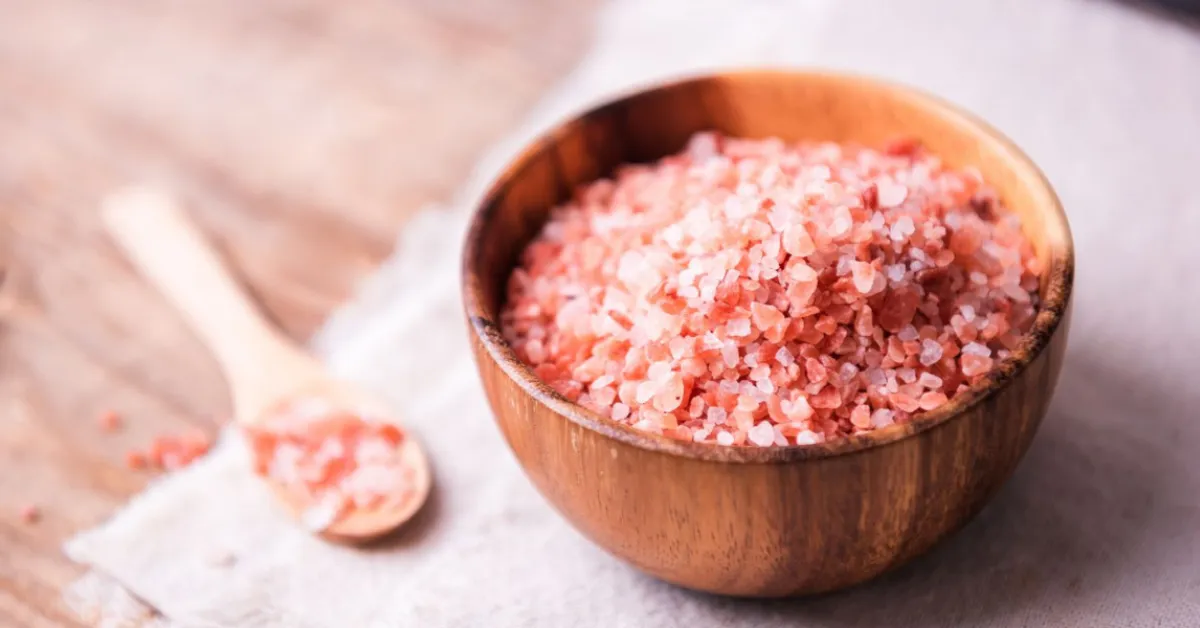
Health experts say there is no scientific evidence to support claims that a drink made with Himalayan salt and cayenne pepper improves metabolism, promotes weight loss, detoxifies the body or lowers blood pressure.
The mixture, often prepared with warm water, has gained popularity in gyms, workplaces and on social media as a supposed wellness shortcut. Nutrition specialists, however, caution that these claims are not backed by clinical research and may mislead the public.
Consultant nutritionist Kepha Nyanumba of Crystal Health Consultants says the suggested benefits are unsupported. He notes that lasting health improvements are more reliably achieved through consistent dietary habits and lifestyle changes rather than through short-term trends.
Registered dietitian Rosemary Kabui, founder of Rosemary’s NutriCare and known as the Digital Dietician, agrees. She explains that Himalayan salt is a form of rock salt from the Himalayan region, while cayenne pepper is dried and ground chilli. Although both are common food ingredients, she says they cannot deliver the wide-ranging health effects often claimed online.
Limited Nutritional Value of Himalayan Salt
Himalayan salt is frequently promoted as healthier than standard table salt, but experts say the difference is minimal. Kabui explains that while it contains trace minerals such as calcium, potassium and magnesium, the quantities are too small to provide meaningful nutritional benefits. Consuming enough to make a difference would require excessive intake, which is not advisable.
Unlike iodised table salt, Himalayan salt does not contain iodine. Nyanumba warns that low iodine intake can impair thyroid function and slow metabolism, which may counter claims that the salt supports metabolic health.
Himalayan salt also contains sodium, and excessive use can raise blood pressure and irritate the digestive system. In some cases, it may cause nosebleeds or skin reactions. Nutritionists advise limiting intake to no more than a quarter teaspoon, or about one to two grams, if mixed with warm water.
Cayenne Pepper: Known Effects, Limited Impact
Cayenne pepper has recognised properties, including its ability to enhance flavour, reduce inflammation and provide a modest metabolic effect. It also contains antioxidants that help protect cells from damage. Kabui says these qualities can be beneficial as part of a balanced diet, but they do not justify the broader health claims made about the drink.
Excessive consumption may cause heartburn, acidity and acid reflux. Nyanumba advises keeping intake to no more than a quarter teaspoon and recommends that pregnant or breastfeeding women, as well as people taking certain medications, avoid the mixture.
Focus on Sustainable Health Practices
Kabui emphasises that long-term health depends on established principles rather than single ingredients. She highlights the importance of balanced meals that include all major nutrients, adequate water intake, regular physical activity, eating a variety of foods rich in antioxidants, and consuming sufficient food to avoid extreme hunger.
Experts conclude that while Himalayan salt and cayenne pepper can be used in cooking, they should not be relied upon as health remedies.





















Add new comment