

Why Nutritionists Are Encouraging More Cabbage on Kenyan Plates
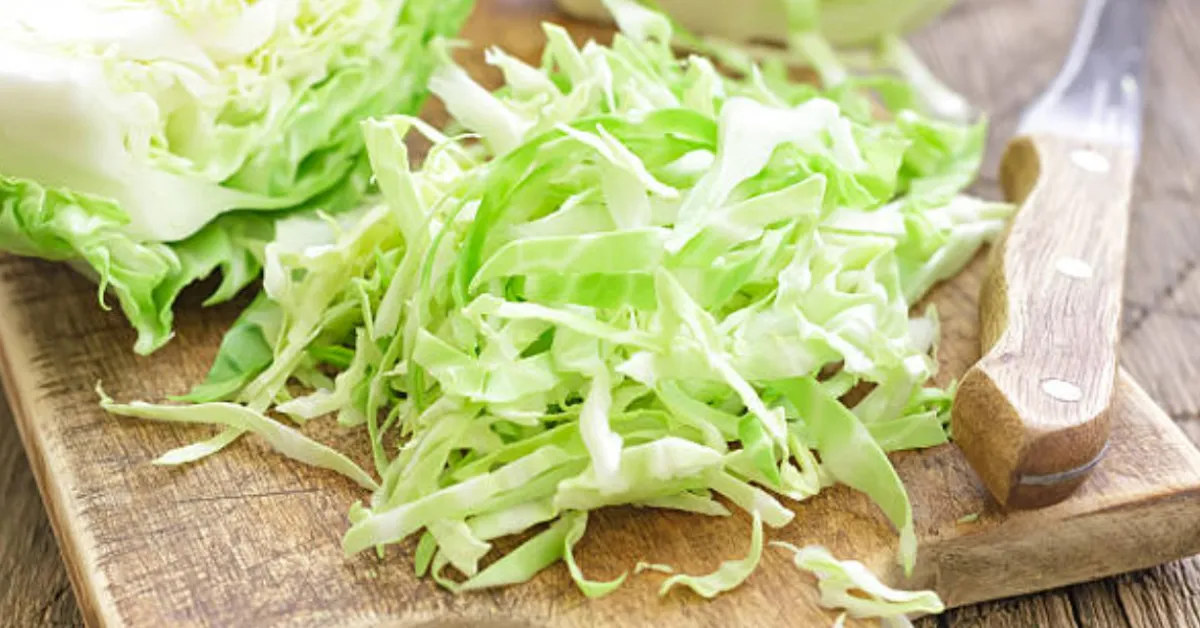
Cabbage is gaining recognition in Kenya as an affordable and nutritionally valuable food, with health experts highlighting its role in supporting balanced diets and managing lifestyle-related conditions.
Nutritionists say cabbage is widely consumed because it is filling yet low in calories. A typical serving provides dietary fibre, essential vitamins and beneficial plant compounds without contributing excessive energy. This makes it useful at a time when obesity, diabetes and hypertension are becoming more common.
Caxton Ouma, a nutritionist and lead consultant at Dietkcal Consultancy, says cabbage offers several health benefits. It contains fibre that supports digestion, vitamin C for immune and skin health, and vitamin K, which contributes to blood clotting and bone strength. It also provides antioxidants that help protect cells from damage. Mr Ouma notes that cabbage allows people to eat satisfying portions without significantly increasing calorie intake.
Dietitian Njeri Kubania of Nairobi Bariatric Center agrees, describing cabbage as a food that is high in volume but low in calories. She says this quality enables people to eat larger portions while keeping overall energy intake in check, which supports weight control and stable blood sugar levels.
Experts emphasise that preparation methods strongly influence cabbage’s nutritional value. Steaming is considered the best option, as it preserves most nutrients and does not require added fat. Boiling can lead to the loss of vitamins and minerals into the cooking water, while frying often increases calorie content due to added oils.
Ms Kubania recommends steaming cabbage for five to eight minutes to maintain both texture and nutrients. She adds that while salt and spices add little energy, ingredients such as sugary sauces or mayonnaise can reduce its health benefits.
Although raw cabbage contains slightly more vitamin C, Mr Ouma says it can be difficult to digest for some people and may pose food safety risks if not handled properly.
Light steaming softens the fibre and reduces fermentable compounds that can cause bloating, making it easier on the digestive system. Steamed cabbage is considered suitable for people managing diabetes or high blood pressure. It has a low glycaemic index, meaning it does not cause rapid increases in blood sugar. It is also naturally low in sodium and provides potassium, which is linked to blood pressure control.
Cabbage is part of the cruciferous vegetable family, which includes broccoli and cauliflower. Studies have linked regular consumption of these vegetables to a lower risk of certain cancers, including colorectal, breast and prostate cancers. Researchers attribute these effects to glucosinolates, compounds that break down into substances that may reduce inflammation, support liver function and protect cells.
Nutritionists advise caution for some groups. People with thyroid conditions are encouraged to consume cabbage cooked and in moderation, while those with sensitive digestion should monitor portion sizes, even when it is steamed.
For most people, eating cabbage two to four times a week can support a balanced diet, especially when combined with other vegetables, legumes and sufficient protein. Ms Kubania recommends building meals around protein first, followed by vegetables such as cabbage, and then carbohydrates to help limit excess intake of sugars and starches.
She adds that healthy eating does not need to lack flavour. Cabbage can be prepared with onions, tomatoes and spices, and small amounts of oil can be used carefully without significantly reducing its nutritional value.
Nutrition experts stress that cabbage is not a single solution to health concerns but a practical and nourishing component of a varied diet. Its value lies in its affordability and contribution to overall dietary balance.





















Add new comment