
Developers Accused of Making Millions from Scamming Diaspora
A growing number of Kenyan homebuyers are falling victim to fraud in the country’s off-plan housing market, with developers failing to deliver on projects after collecting millions in deposits.
The off-plan housing model, which promises affordable home ownership, has attracted many investors, particularly from the diaspora. However, reports indicate a rising number of cases where buyers have paid substantial sums for homes that are never completed, leaving them with little recourse.
Developers often market these projects with glossy brochures and digital renderings but fail to deliver anything beyond incomplete structures, disputed land titles, or, in some cases, no construction at all. One prominent example is Mizizi Africa Homes Limited, led by George Mburu, a former executive at the now-collapsed Banda Homes.
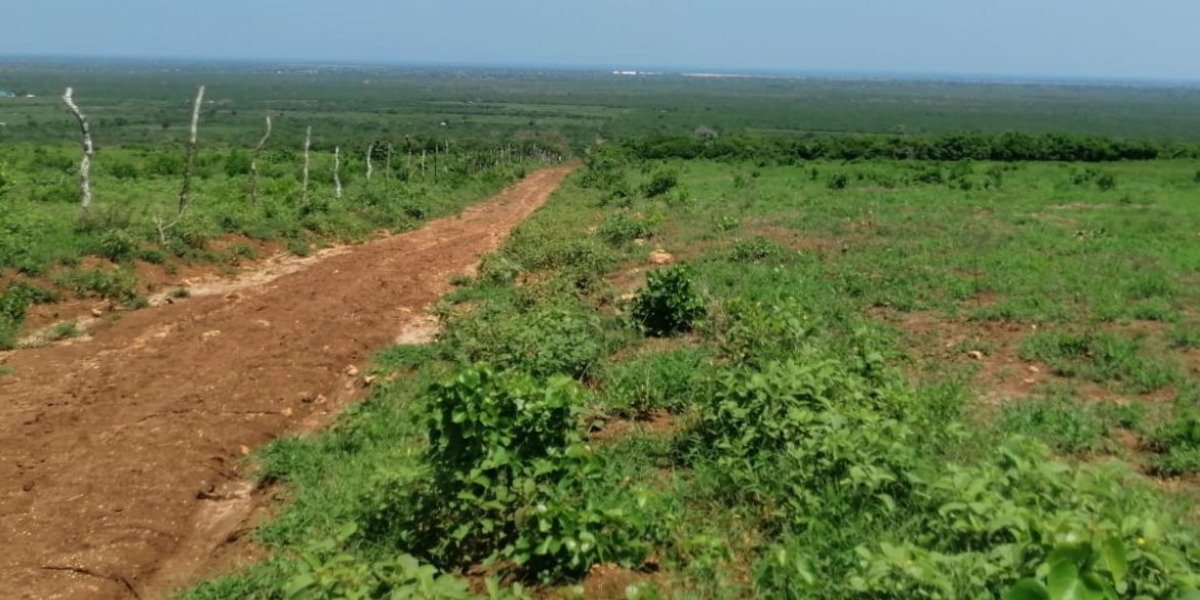
Buyers like Josphat Ndambo, a Kenyan based in the United States, invested millions in the Asali Estate project in Malaa, but the site remains abandoned with no construction progress, electricity, or services. Another buyer, Dennis Mwangi, pursued legal action after a bungalow at the company’s Peacock Estate in Kiambu County was never built.
Despite a settlement agreement that promised a refund, Mizizi Africa Homes has failed to honour the commitment, leading Mwangi to escalate the matter to the High Court. Similar issues have emerged at Willstone Homes Limited, where US-based investor Mellen Bwari Okari invested Sh57 million for five maisonettes at White Park Gardens.
She later discovered inconsistencies with land registration and that construction had been carried out without proper approvals. When she sought to resolve the issue, the developer repossessed the properties and attempted to resell them. The High Court has since ruled in Okari’s favour, dismissing Willstone’s attempt to block the case.
Mburu, for instance, is known for his display of wealth through luxury cars and carefree living, while Willstone’s director Ejidio Kinyanjui shares videos of helicopter rides and first-class travel. Their lavish portrayals stand in stark contrast to the financial losses suffered by their customers.
The issue is not confined to Nairobi. In Mombasa and Ruiru, Kenya Projects, led by businessman David Mureithi Kanyi, has also left buyers stranded. Kanyi’s company attracted investors with low deposit requirements and community-based marketing but failed to complete projects, leaving many buyers to finish construction on their own.
In one instance, purchasers of Royal Palm Villas discovered that the developer had taken out a substantial loan against the same property, jeopardising their investments. Efforts to regulate the sector have not been successful. A proposed Land Amendment Bill, which aims to introduce stricter licensing requirements and a Sh500 million deposit to protect buyers, has yet to pass.
The creation of the Association of Real Estate Stakeholders (RESA) was intended to provide oversight, but many victims argue that the body has not been effective in addressing the issue. Meanwhile, developers continue to enhance their public image through sponsored awards and influencer-driven marketing, further obscuring the line between legitimate and fraudulent operations.






Comments (1)
Shallow story, a regurgitation of old grudges. Go to Kenya Diaspora Media on YouTube to see Kinyanjui's work