

When Rent Hits Sh100K: Inside Nairobi’s Urban Transformation
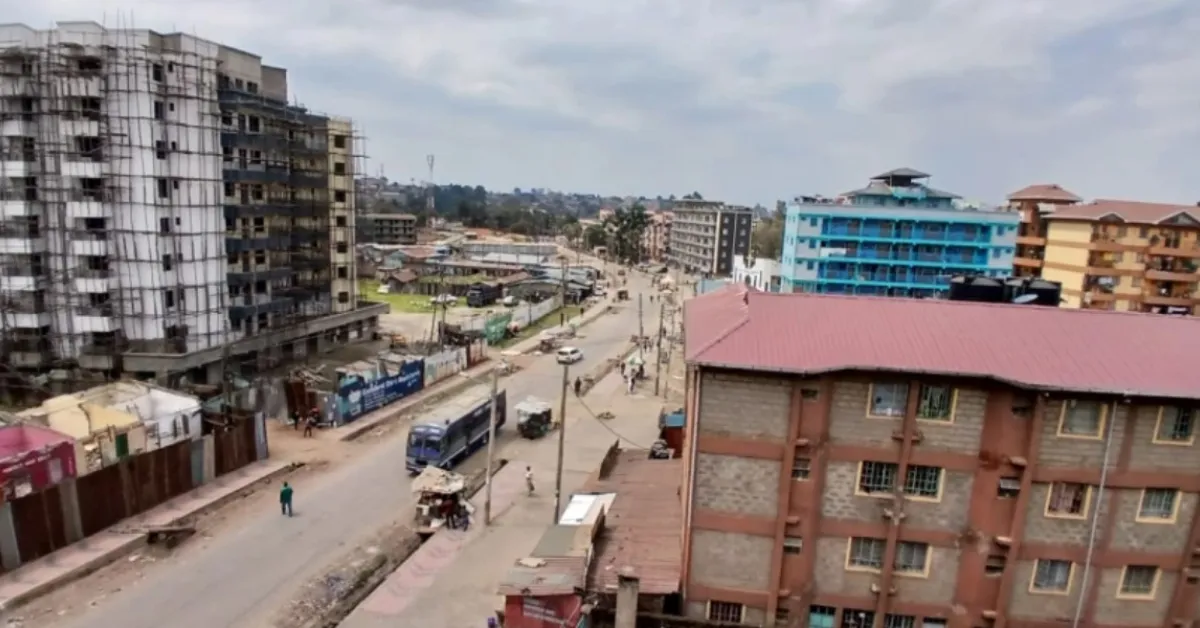
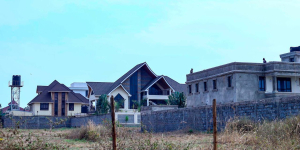
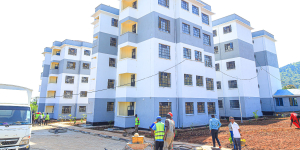
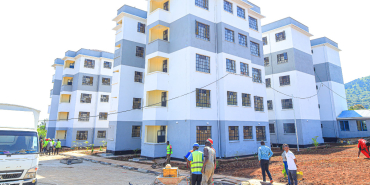
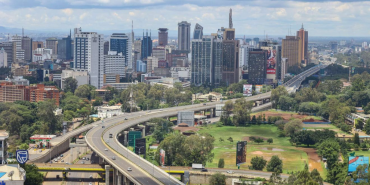
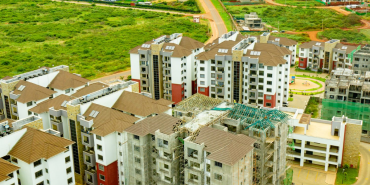
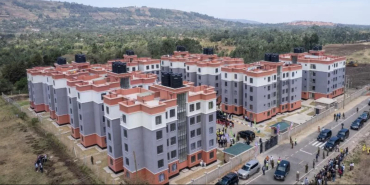
Nairobi’s residential areas are changing rapidly, as high-rise developments replace older homes and reshape long-established neighbourhoods.
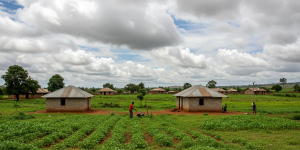
Across the city, streets once defined by low-density housing are giving way to apartment blocks, heavier traffic, and ongoing construction. This shift is altering the character of many communities and raising concerns about its impact on long-term residents.
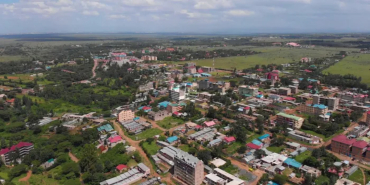
Urban analysts describe this process as gentrification, where wealthier individuals and developers move into lower-income areas, leading to rising property values and the displacement of existing residents. The term, first used in London in the 1960s, is increasingly applied to Nairobi. Areas such as Kawangware, Eastleigh, Ruaka, and Athi River are among those undergoing significant transformation.
Real estate investment analyst Johnson Denge says Nairobi’s experience is largely driven by developers. He identifies corridors such as Dagoretti and Syokimau as key sites of change. In Kiambu, generational shifts have also influenced land use, as younger heirs are more willing to sell property for development. According to Denge, developers respond to clear market opportunities.
Despite the economic rationale, the social effects are considerable. Urban planner Salim Said notes that cultural identity can weaken as new residents arrive from different backgrounds. This can leave established communities feeling marginalised.
A 2020 study by Matilda Carol Dok found that investment by wealthier Somali immigrants contributed to major changes in Eastleigh. During this period, monthly rents rose from Sh40,000 to Sh100,000, making the area less affordable for many residents.
Kawangware provides a clear example of these pressures. Once regarded as a low-income area, it has attracted increasing investor interest. Property dealer Samuel Njoroge reports that plots previously valued at Sh15 million now sell for up to Sh40 million, with some reaching Sh50 million. Infrastructure improvements, including better roads and street lighting, have supported this growth.
However, rising rents have forced lower-income tenants to relocate, often to less accessible areas. Landlords also face pressure to sell to developers planning high-rise projects.
Some observers view gentrification as a process that cannot be avoided. Njoroge compares it to broader economic change that requires adaptation. Supporters point to benefits such as improved infrastructure, increased security, and the renewal of areas that were previously neglected.
Banana, near Ruaka, is often cited as an example of a neighbourhood that has gained appeal following development. However, concerns remain about long-term outcomes.






Add new comment