
US Withdraws Policy Limiting Lending Bias Against Immigrants
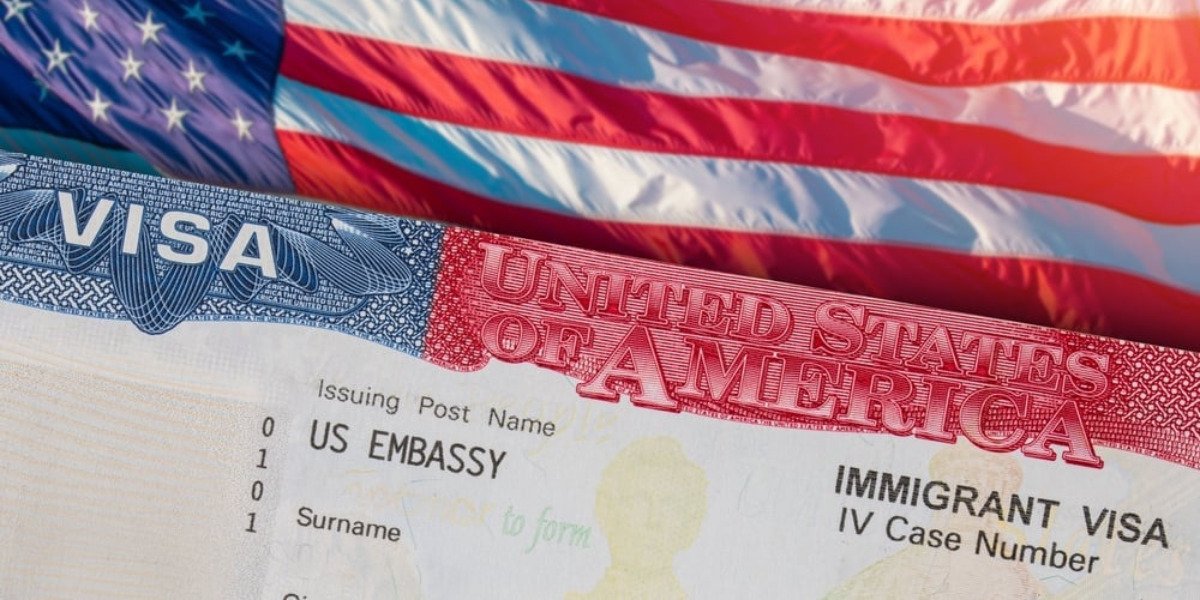
The United States government has withdrawn federal guidance that cautioned lenders against certain practices affecting immigrant borrowers, giving financial institutions greater discretion to consider immigration status when assessing credit applications.
The change took effect on 12 January and follows a joint decision by the Department of Justice (DOJ) and the Consumer Financial Protection Bureau (CFPB). While the withdrawal does not amend existing anti-discrimination law, it removes a policy statement that had urged lenders to limit reliance on citizenship or immigration status.
The move is particularly relevant for non-citizens in the US, including Indian professionals, students and business owners who depend on credit for housing, education and commercial activity. The guidance was originally issued in October 2023 and warned that excessive focus on immigration or citizenship status could amount to unlawful discrimination under the Equal Credit Opportunity Act (ECOA).
It noted that such practices could have a disproportionate impact on borrowers based on race or national origin, even if those factors were not explicitly considered. In announcing its withdrawal, the DOJ stated that the guidance was non-binding and had created uncertainty about lenders’ legal obligations.
Officials said it risked blurring the distinction between statutory requirements and advisory interpretation, potentially misleading financial institutions.
Legal Rationale. A notice published in the Federal Register said the decision was intended to align federal policy more closely with ECOA and its implementing rules under Regulation B.
These rules allow lenders to take immigration or citizenship status into account when it is relevant to legitimate business considerations. Such considerations include evaluating repayment risk, ensuring access to legal remedies, and complying with identity verification and anti-money laundering requirements.
Assistant Attorney General Harmeet K. Dhillon said the government aimed to avoid guidance that could suggest compliance standards without a clear legal basis. Acting CFPB Director Russell Vought added that existing regulations have long permitted lenders to consider lawful residence status when assessing a borrower’s ability to repay.
The withdrawal does not change the core protections of ECOA, which prohibit discrimination based on race, colour or national origin. However, it clarifies that immigration-related factors may be lawfully considered in credit decisions.
In practical terms, lenders may place greater emphasis on visa duration, employment continuity and residency status. For foreign nationals in the US, including those on temporary visas such as H-1B or student permits, this may result in more detailed scrutiny of long-term financial stability when applying for loans.






Comments
No comments yet — be the first.