
Kenyans in China Experience Lunar New Year Traditions Firsthand
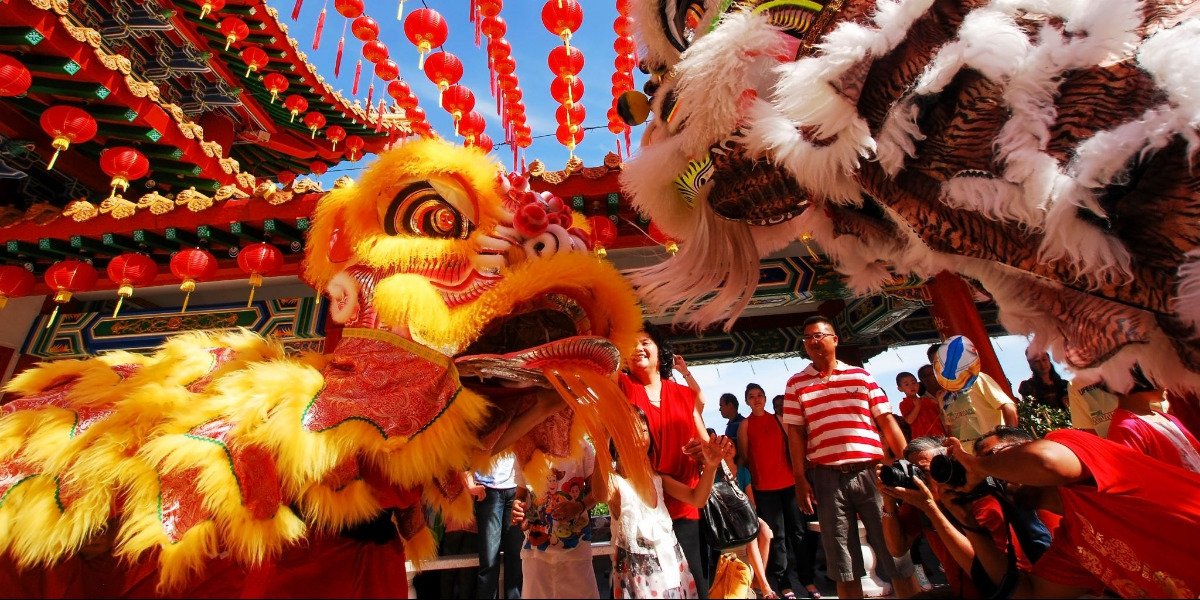
Kenyans living in China are observing the Lunar New Year, encountering holiday traditions that differ sharply from those at home.
In Beijing and Wuhan, the Spring Festival has altered the daily routine of cities that are usually fast paced. Evans Omondi, who lives in Chaoyang District in Beijing, is marking the festival for the first time. He describes quieter streets, shorter business hours, and busy transport stations as millions travel to their hometowns.
Red lanterns hang across neighbourhoods, and doorways are decorated with couplets carrying messages of luck and prosperity. He says the atmosphere signals that the holiday holds deep meaning.
Kathomi Nyawira, a 20-year-old architecture student in Wuhan, recalls her first experience of China’s National Day “Golden Week” in October 2024. During that period, schools closed and many businesses suspended operations as families travelled.
She notes that public holidays in Kenya rarely disrupt work and study on the same scale. She also observes that Western holidays are not prioritised in the same way. Last year, she attended classes on Christmas Day and New Year’s Day.
The structure of China’s calendar helps explain these differences. According to Yuchen Jin of AlphaLink and AlphaCademy, the traditional Chinese calendar follows a lunisolar system, combining lunar months with the solar year.
Festival dates change annually, unlike those in the Gregorian calendar. Historically, the system guided farming cycles, rituals, and state authority. Although the Gregorian calendar is used for official purposes, the traditional calendar remains central to cultural observance.
Omondi sees similarities with Kenya’s Christmas and Easter celebrations, when families gather and share meals. However, he points out that in China entire sectors often pause at the same time, while in Kenya holiday schedules differ by occupation.
Nyawira says her university organises activities such as dumpling making and calligraphy during major festivals, reflecting the collective approach to celebration. The Spring Festival begins with the Lunar New Year and continues for up to 15 days, ending with the Lantern Festival.
It is widely regarded as the most important holiday in China, centred on family unity, respect for elders, and renewal at the start of the year.





Comments
No comments yet — be the first.