
Putin and Xi Jinping: A New Chapter in Sino-Russian Relations
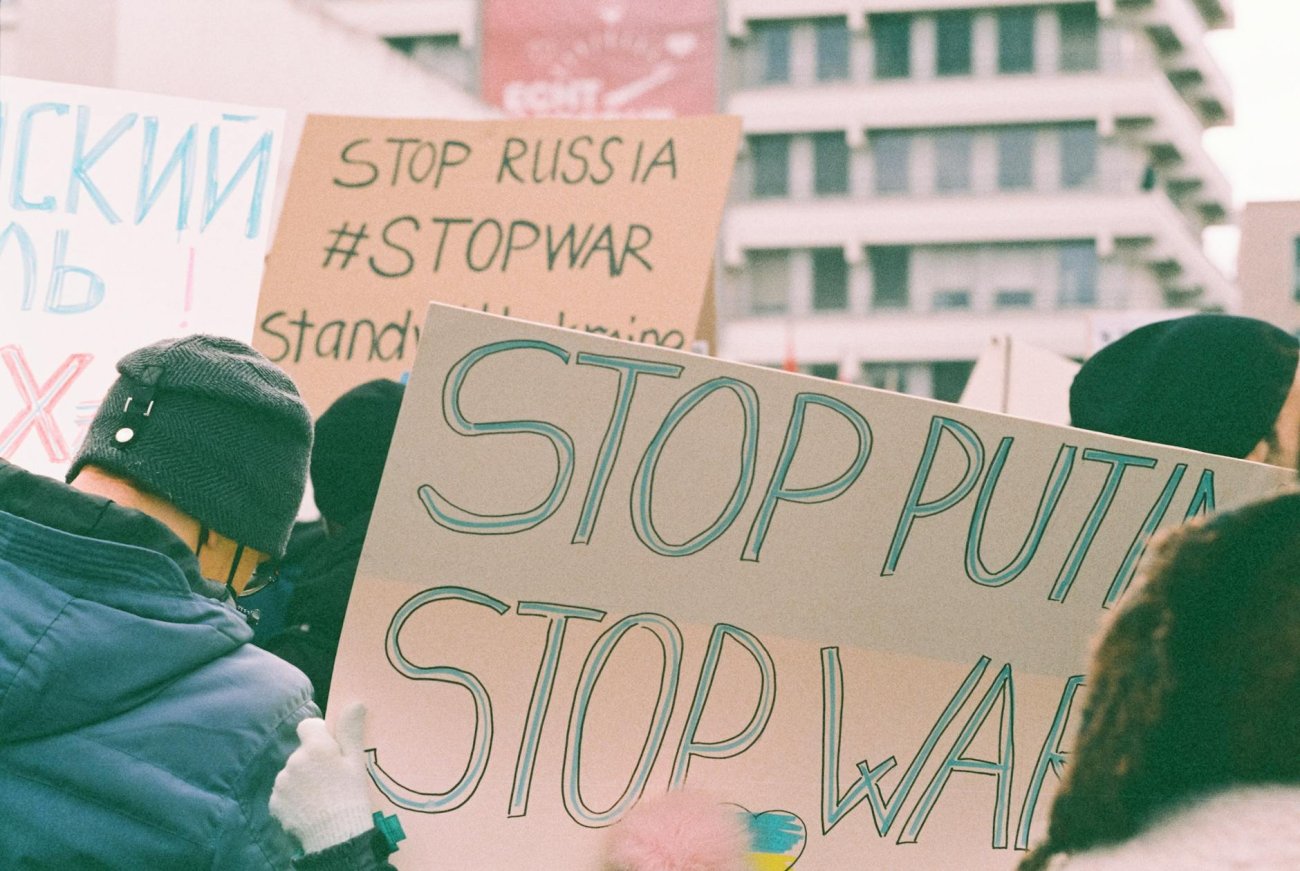
Russian President Vladimir Putin's recent visit to Beijing for high-level talks with Chinese leader Xi Jinping has drawn considerable attention from global observers. The meeting, held in the backdrop of escalating geopolitical tensions and shifting alliances, signifies a deepening partnership between the two nations, which could have profound implications for the global balance of power.
As the United States and its allies continue to grapple with various international crises, including the ongoing conflict in Ukraine, Putin's visit underscores a strategic pivot towards strengthening ties with China. Both nations have increasingly found common ground in opposing Western hegemony and promoting a multipolar world order.
The discussions between Putin and Xi are expected to cover a range of issues, from economic cooperation to military collaboration, with both leaders likely looking to solidify their alliance in the face of Western sanctions and criticism. This partnership is a long-term strategic alignment that seeks to counterbalance Western influence in global affairs.
The economic dimension of the Sino-Russian relationship is particularly noteworthy. As China emerges as the world’s second-largest economy, its partnership with Russia, a key energy supplier, presents significant implications for global energy markets. The two countries have been working to increase trade, with China importing vast amounts of oil and gas from Russia, particularly in light of Western energy sanctions.
This evolving economic partnership could also have ripple effects in other regions, particularly in Africa and developing nations that rely on both Chinese investment and Russian resources. Countries such as Angola and Nigeria, which are substantial oil producers, may find themselves navigating a more complex geopolitical landscape as they balance relationships with both the West and these two powerful nations.
The military aspect of the discussions is equally critical. Both nations have conducted joint military exercises and have been increasingly vocal about their defense cooperation. This aspect of their relationship is concerning for Western powers, as it could lead to a more robust military alliance that challenges NATO's influence.
Moreover, the military collaboration between Russia and China may embolden other nations in the developing world to pursue similar partnerships, potentially leading to a realignment of global military alliances. Nations facing pressure from Western powers might look to China and Russia as alternative security partners.
As the immediate focus will be on the agreements reached between the two leaders and how these will translate into concrete actions, analysts will be particularly interested in any economic deals that emerge, especially in the energy sector, which could further entrench the dependency of many countries on Russian oil and gas.
This meeting is likely to set the tone for future interactions between the two nations and could signal a new era of collaboration that might reshape international relations. For developing nations, particularly in Africa, the growing Sino-Russian partnership may present both challenges and opportunities as they navigate their own geopolitical interests.




Comments
No comments yet — be the first.