
Escalating Tensions in the Middle East: Iran's Defiance and Trump's Ultimatum
As the standoff between the United States and Iran enters its 82nd day, the geopolitical landscape of the Middle East remains perilously unstable. President Donald Trump has issued a stark warning to Tehran, stating that the ‘clock is ticking’ on negotiations regarding Iran's nuclear program. This ultimatum has heightened tensions and raised concerns about the potential for renewed conflict in a region already fraught with turmoil.
The ongoing conflict between the U.S. and Iran has deep historical roots, exacerbated by a series of confrontations that date back decades. The U.S. withdrawal from the Joint Comprehensive Plan of Action (JCPOA) in 2018, commonly known as the Iran nuclear deal, marked a significant turning point. Following this withdrawal, Iran began to gradually breach the terms of the agreement, which aimed to limit its nuclear capabilities in exchange for sanctions relief.
In recent weeks, the situation has escalated, with Trump intensifying his rhetoric against Iran. The U.S. President has made it clear that he expects Iran to come to the negotiating table within the next two to three days, or face severe consequences. This ultimatum has been met with defiance from Iranian officials, who maintain that they will not be coerced into an unfavorable agreement.
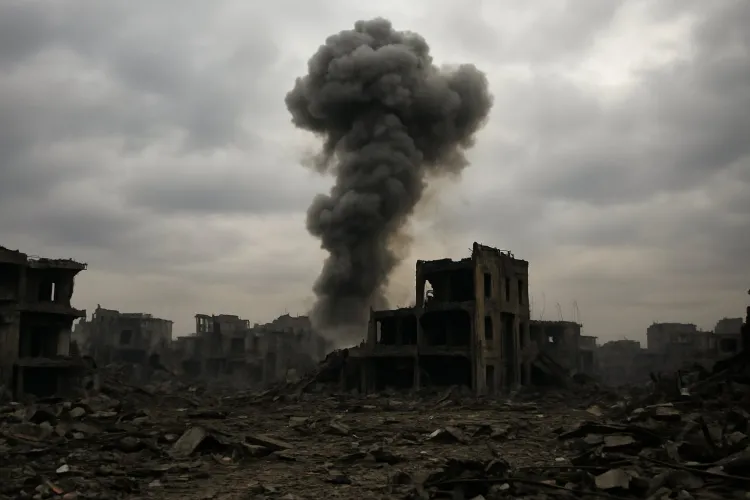
The stakes are high, not just for Iran and the U.S., but for the entire Middle East. Should negotiations collapse, the potential for military conflict looms large. Iran has warned that it could open ‘new fronts’ if provoked, suggesting that it may retaliate against U.S. interests in the region or its allies, including Israel and Saudi Arabia. Such actions could trigger a significant escalation, drawing in multiple nations and disrupting an already volatile geopolitical balance.
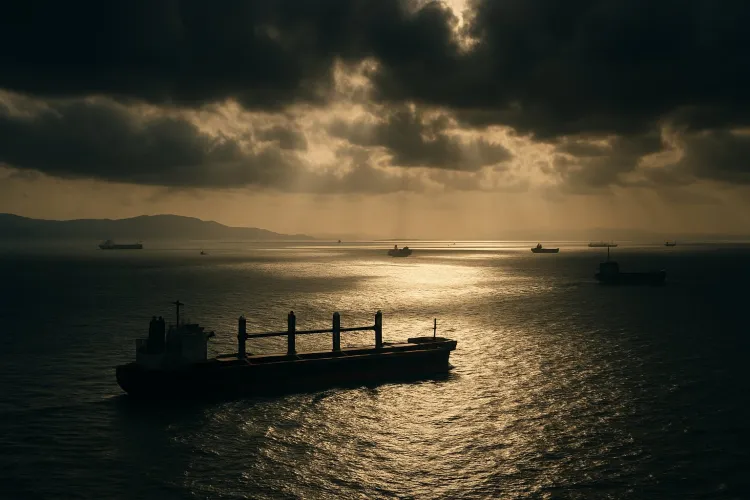
For Africa and the broader developing world, the implications of this standoff are concerning. Many African nations rely on oil imports, and any conflict in the Middle East could lead to spikes in global oil prices, further exacerbating existing economic challenges. Additionally, a conflict could lead to an influx of refugees and heightened security concerns across the continent.
International diplomatic efforts are critical in managing this volatile situation. Various countries and organizations, including the European Union, have expressed a desire to mediate between the U.S. and Iran. Experts suggest that a path forward may involve a renewed commitment to diplomacy, with a focus on building trust and addressing the underlying issues at stake. This may require concessions from both sides, including sanctions relief for Iran and assurances regarding its nuclear ambitions.
The coming days are crucial in determining the trajectory of U.S.-Iran relations. Observers will be closely monitoring the responses from both Tehran and Washington as the deadline set by Trump approaches. Additionally, any military movements or changes in rhetoric could signal a shift toward either negotiation or conflict.



Comments
No comments yet — be the first.