
California Declares Emergency as Toxic Leak Threatens Communities
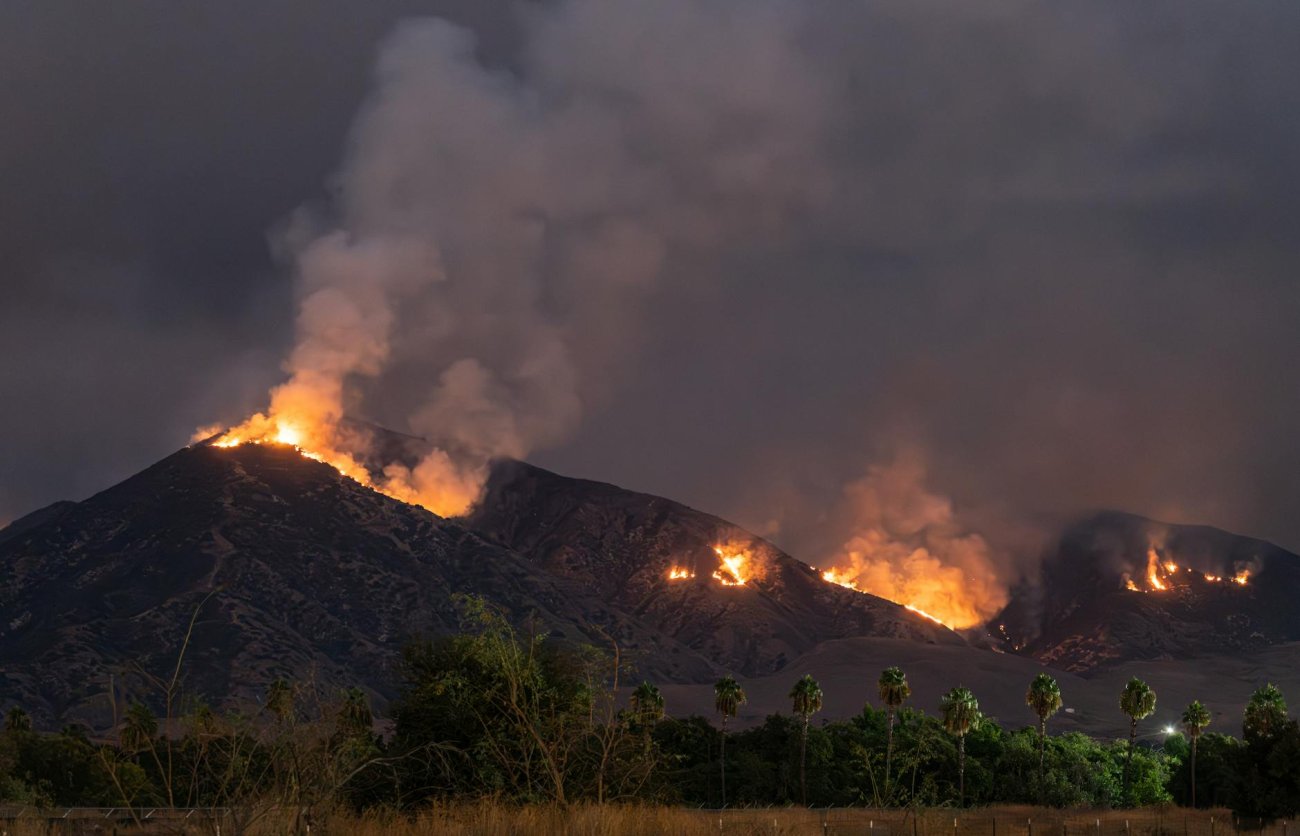
California officials have declared a state of emergency as fire crews work to contain a hazardous situation involving a tank that holds approximately 7,000 gallons of methyl methacrylate, a flammable substance used in various industrial applications. The declaration comes amid rising concerns that the tank could explode, prompting the evacuation of thousands of residents from the surrounding area.
The incident occurred in the city of Carson, located in Los Angeles County, where emergency responders were deployed to mitigate the potential risk of a catastrophic explosion. Methyl methacrylate is known for its volatility, and its leak poses a serious health risk due to the toxic fumes it can emit when ignited.
Authorities have established a perimeter around the site, restricting access to ensure the safety of both residents and emergency personnel. The Los Angeles County Fire Department is coordinating efforts with other agencies to monitor air quality and assess the risks associated with the chemical. Regular updates are being provided to the public as crews work tirelessly to stabilize the situation.
The implications of this incident extend beyond immediate local concerns. The leak highlights the vulnerabilities associated with the storage and transportation of hazardous materials, particularly in densely populated areas. Communities in proximity to industrial facilities often face increased risks, raising questions about regulatory frameworks and safety measures in place to protect residents.
California has experienced numerous environmental challenges in recent years, including wildfires and air quality issues. The current emergency adds another layer to the state's ongoing struggles with industrial safety and environmental management. The state’s response will likely be scrutinized as it navigates the balance between industrial activity and public safety.
As the situation develops, it will be important to monitor how local and state agencies respond, not only in terms of immediate containment efforts but also in addressing the long-term implications for industrial regulation and community safety. The incident could prompt further discussions on the need for stricter oversight on hazardous materials and infrastructure improvements to prevent similar occurrences in the future.
Internationally, the incident may resonate with countries grappling with similar industrial risks, particularly in developing nations where regulatory frameworks are often less stringent. As global markets become increasingly interconnected, the safety protocols in one region can have ripple effects on industries and economies worldwide.
Residents who have been evacuated are currently being housed in emergency shelters, and local authorities are providing support services to meet their needs. The full scope of the damage and the potential long-term environmental impacts will take time to assess, but officials are committed to ensuring the safety and well-being of affected communities.





Comments
No comments yet — be the first.