
Israeli Attacks Overshadow Eid Celebrations in Gaza Amid Rising Tensions
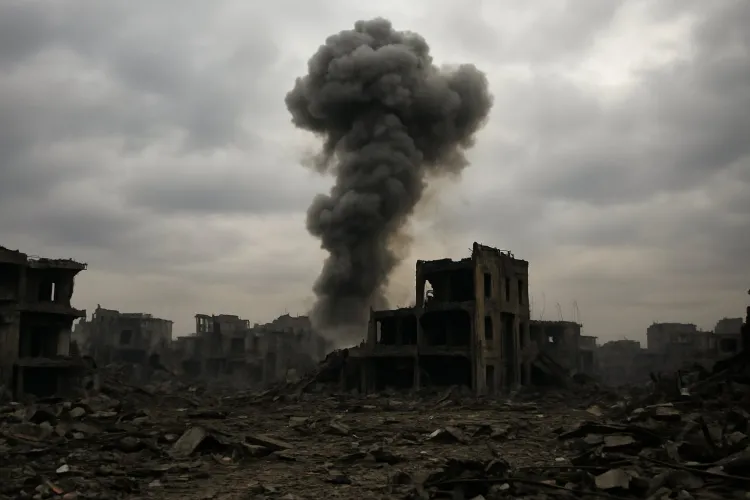
Palestinians in Gaza observed Eid al-Adha prayers amidst the lingering scent of smoke and the sight of devastation, as Israeli airstrikes continued to pound the region. The latest hostilities, which have been ongoing since May 2026, have resulted in significant casualties and damage to infrastructure, exacerbating the humanitarian crisis in the densely populated enclave.
According to Palestinian health officials, at least 45 Palestinians, including women and children, have been killed since the escalation began, with hundreds more injured. The ongoing violence has forced many families to flee their homes, adding to the already dire displacement crisis in Gaza, which has a population of approximately 2 million people. The United Nations Relief and Works Agency (UNRWA) has reported that over 8,500 people have sought refuge in its facilities as the conflict intensifies.
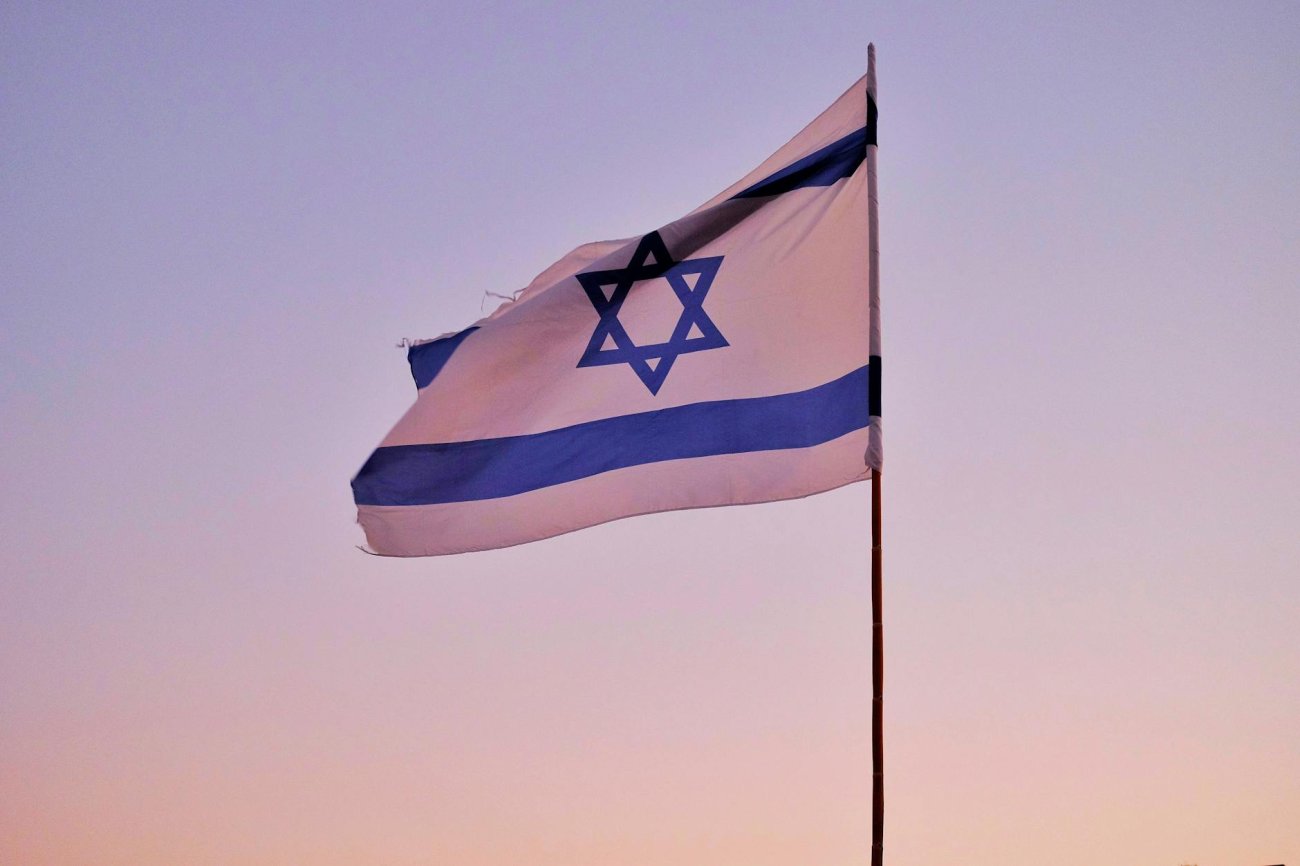
In a statement, Israeli Defense Minister Yoav Gallant justified the military operations, citing retaliatory measures against rocket fire from Hamas militants. "Israel has the right to defend itself against any form of aggression," Gallant stated. Israeli officials maintain that their military strategy is aimed at neutralizing threats posed by armed factions within Gaza.
Hamas spokesperson Fawzi Barhoum condemned the attacks, describing them as a "blatant violation of international law" and calling for global intervention to halt the assault. "The international community must hold Israel accountable for its actions and protect the rights of the Palestinian people," Barhoum said.
The ongoing conflict has raised concerns globally, with United Nations Secretary-General António Guterres expressing alarm over the rising toll on civilians. In a recent address, Guterres called for an immediate cessation of hostilities, emphasizing the need for dialogue to address the underlying issues. "The cycle of violence must end," Guterres urged, highlighting the importance of a comprehensive peace agreement to ensure long-term stability in the region.
The violence comes amidst a backdrop of ongoing indirect negotiations between the United States and Iran, where regional stability remains a central topic. This latest escalation threatens to derail diplomatic efforts aimed at curbing hostilities and advancing peace talks across the Middle East. Analysts warn that the conflict's prolongation could have broader implications, potentially affecting energy markets and regional alliances.
In Africa, the repercussions of the conflict are being closely monitored, particularly in countries reliant on Middle Eastern trade routes and energy supplies. As tensions rise, there are concerns that disruptions could impact the availability of essential commodities and inflate prices, compounding economic challenges in several developing nations.
International actors continue to call for restraint from both parties, urging a return to negotiations to prevent further loss of life and to facilitate humanitarian assistance to those in need. The coming weeks will be critical in determining whether diplomatic channels can avert a deepening crisis in a region long fraught with conflict.





Comments
No comments yet — be the first.