
US Changes Green Card Rules for International Students and Temporary Visa Holders
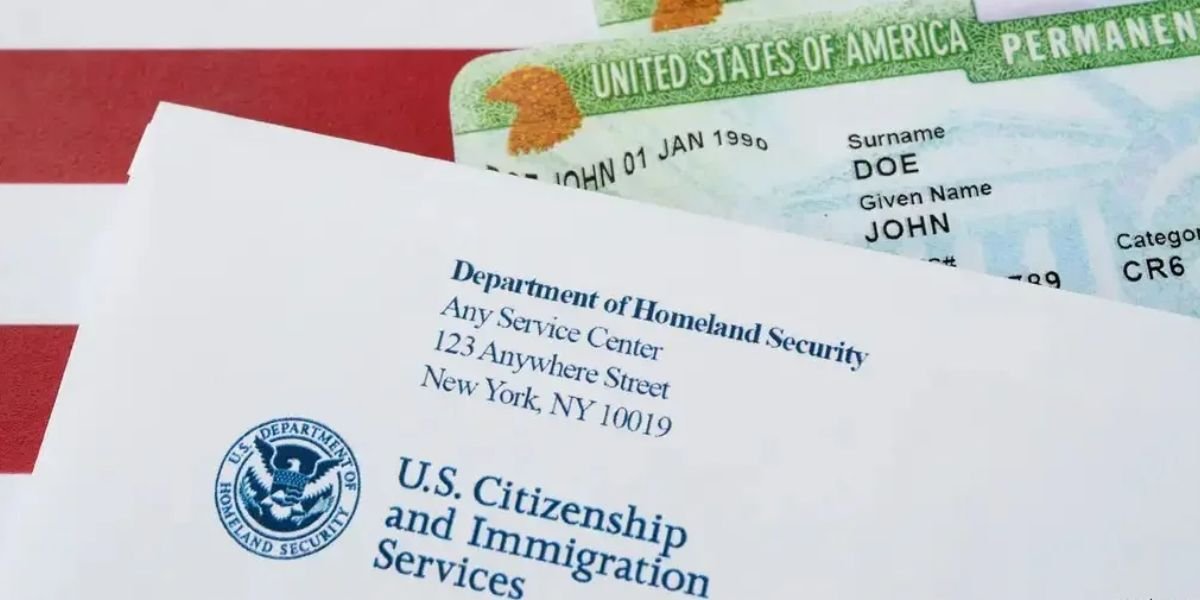
The United States has changed its immigration procedures for international students and other temporary visa holders seeking permanent residency, making consular processing from abroad the standard route for green card applications.
Under the revised policy introduced by US Citizenship and Immigration Services (USCIS), applicants will generally be required to leave the country and apply for permanent residency through the Department of State in their home countries. Adjustment of status, which previously allowed applicants to apply for a green card while remaining in the US, will now be treated as an exceptional measure rather than a routine process.
For many years, foreign students on F-1 visas were able to transition to permanent residency without leaving the United States. The adjustment of status process allowed applicants to change visa categories and continue living and working in the country while their applications were reviewed. The process also provided access to employment and travel authorisation during the application period.
The new framework affects non-immigrant visa holders, including students, temporary workers and tourists. USCIS has described adjustment of status as “extraordinary relief”, giving consular officers wider discretion when reviewing applications submitted outside the country.
The policy change is expected to have a significant effect on F-1 students. Unlike some H-1B visa holders, who may still qualify for domestic processing if they can demonstrate economic benefit or national interest, students are likely to face stricter requirements. The F-1 visa does not permit dual intent, meaning visa holders are expected to leave the US after completing their studies.
Previously, many students used Optional Practical Training (OPT) and employer sponsorship as part of their transition to permanent residency. The revised procedures reduce the flexibility of that pathway and increase the need for overseas processing.
Employment-based immigration categories remain the main route to permanent residency for international students. The EB-1 category applies to individuals with extraordinary ability, EB-2 covers advanced degree holders and individuals with exceptional ability, and EB-3 is intended for skilled and professional workers.
Most applicants must first obtain an immigrant petition filed by an employer before applying for a green card. Although concurrent filing may still be available in some cases, the requirement to complete processing abroad adds additional administrative and logistical challenges.
The policy change introduces greater uncertainty for students and temporary workers seeking long-term residence in the United States. Applicants may now face additional travel, financial costs and delays, while decisions will depend more heavily on consular review.


Comments
No comments yet — be the first.