
Iran and Israel Ease Tensions Following Intense Clash, Global Eyes on Middle East Stability
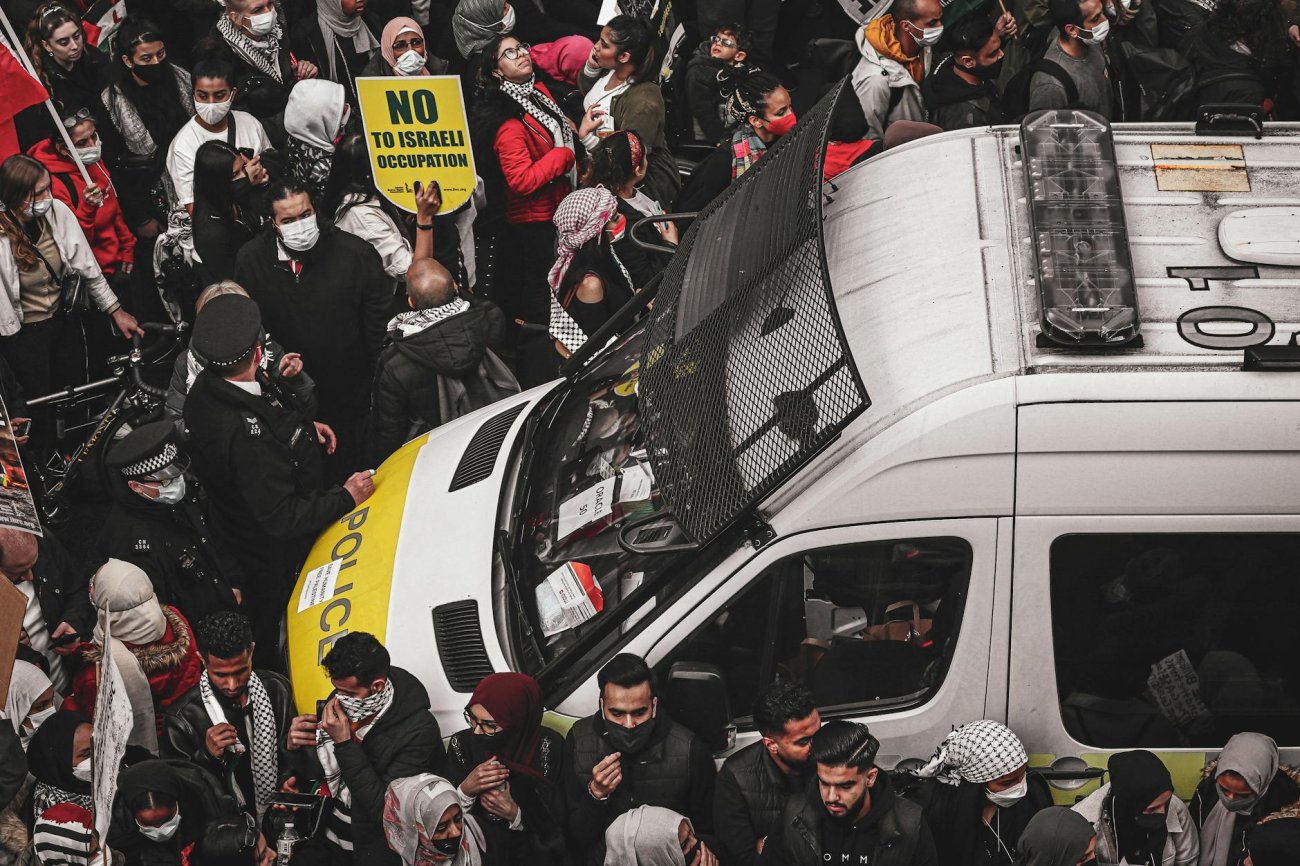
The simmering conflict between Israel and Hezbollah, the Iranian-backed militia, has seen a significant de-escalation after a fierce exchange of attacks that threatened to destabilize the already volatile Middle East region. The recent hostilities, which coincided with ongoing tensions in Iran, have posed a formidable challenge to regional peace efforts, drawing international attention and calls for restraint from global powers.
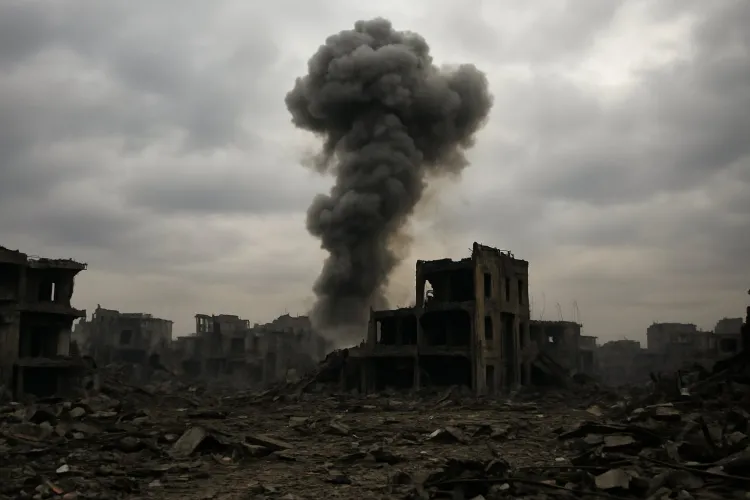
The exchange, marked by missile strikes and military posturing, prompted concerns of a broader conflict that could engulf neighboring countries. However, diplomatic efforts appear to have prevailed, with both sides stepping back from further confrontation. In a statement, Israel's defense minister emphasized the country's commitment to security, stating, "While we will defend our sovereignty with determination, we remain open to diplomatic solutions that ensure lasting peace in the region."
Iran, grappling with its internal unrest and international sanctions, has also signaled a willingness to de-escalate. Iranian Foreign Minister Mohammad Javad Zarif, known for his pragmatic approach to foreign policy, remarked, "Our priority remains the stability of the region, and we call upon our neighbors to engage in dialogue over conflict." This development comes at a critical time as Iran continues to navigate the complexities of its geopolitical landscape, exacerbated by economic pressures linked to the ongoing war in Ukraine, which has seen Russia, Iran's ally, deeply engaged.
The tension between Israel and Hezbollah had intensified following a series of provocations, with both sides accusing each other of aggressive maneuvers. The United States, a key ally of Israel, has reiterated its support for Israel's right to defend itself, while also urging restraint and dialogue. U.S. Secretary of State Marco Rubio commented, "The stability of the Middle East is of paramount importance to global security. We urge all parties to exercise caution and engage in constructive talks."
The recent developments have significant implications for Africa and developing nations, which often bear the brunt of heightened global instability. The Middle East's geopolitical shifts can impact global oil prices and economic conditions, affecting economies across the Sub-Saharan region. As such, any sustained peace efforts in the Middle East are closely monitored by African leaders, who are keen to maintain regional and economic stability.
Observers are also noting the role that broader international dynamics, such as the Russia-Ukraine conflict, play in shaping Middle Eastern alliances and tensions. As Iran seeks to bolster its regional influence amidst its strained relationship with the West, the outcome of these diplomatic engagements could have far-reaching consequences. Analysts are closely watching whether this de-escalation will lead to more robust peace negotiations, or if it merely serves as a temporary respite in a long-standing conflict.




Comments
No comments yet — be the first.