
Senior Russian Military Official's Death Fuels Fears of Escalating Conflict
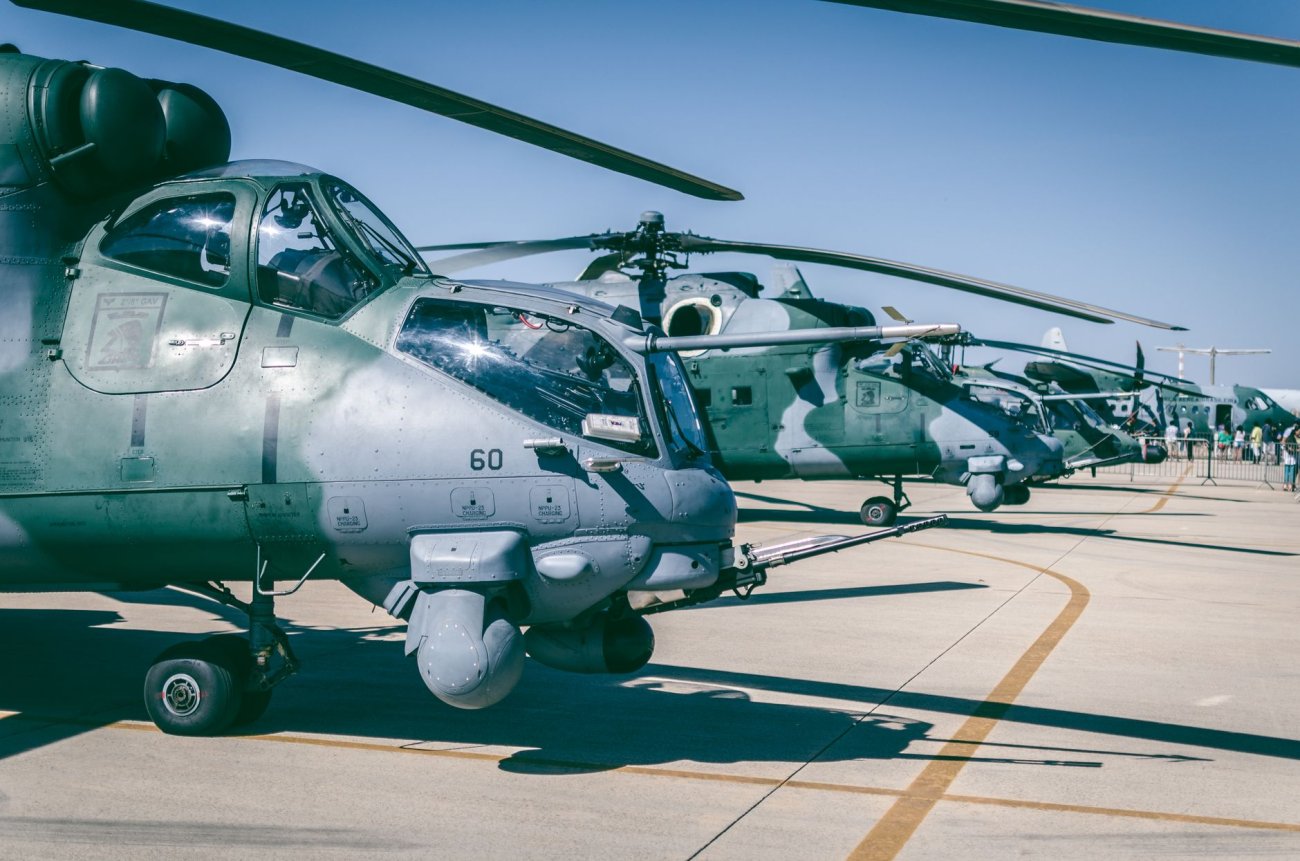
The recent killing of a senior Russian military official near Moscow has intensified concerns over a series of targeted attacks within Russia. The incident, involving a car explosion that claimed the life of the high-profile officer, contributes to a growing pattern of assassinations that observers link to the ongoing conflict with Ukraine. Russian authorities have yet to publicly disclose the identity of the victim, but the attack's nature suggests it was meticulously planned and executed.
Officials have denounced the act as a direct escalation in the proxy dynamics of the Russia-Ukraine conflict. The Russian Ministry of Defense, in a brief statement, reiterated its commitment to investigating what it termed as "an act of terror aimed at disrupting national security." Recent months have seen an uptick in such incidents, with Russian media documenting at least five high-profile assassinations linked to the conflict since the beginning of the year.
In the wake of the explosion, Ukrainian officials have denied involvement, with President Volodymyr Zelensky stating, "Ukraine remains committed to resolving the conflict through diplomatic means and condemns acts of violence that escalate tensions." Nevertheless, Western analysts suggest that the attack could signal increasing desperation among factions within Russia opposed to the war. This perspective is supported by recent intelligence reports indicating internal dissent growing within Russia's military ranks.
The geopolitical implications of this killing are significant. The death of a senior figure could potentially alter the calculus of military strategy, both within Russia and among its adversaries. European Union Foreign Affairs Chief Josep Borrell commented, "Such acts of violence only serve to inflame an already volatile situation. It is crucial for all parties to exercise restraint and seek peaceful resolutions."
The pattern of targeted assassinations raises questions about the security landscape in Russia and the potential for further destabilization. Analysts fear that these incidents might embolden other actors within the region to adopt similar tactics, leading to a cycle of retaliation. Additionally, the implications for global security are profound, underscoring the need for diplomatic interventions to prevent further escalation.
For developing nations, particularly in Africa, the instability in the region could have wide-ranging economic impacts. Many African countries rely on grain and other agricultural imports from both Russia and Ukraine; any exacerbation of the conflict could disrupt supply chains and increase food prices. Experts have urged the international community to prioritize establishing secure trade routes to mitigate these risks.
As the investigation unfolds, all eyes will be on Moscow's response. The international community will be keenly watching for any signs of increased military activity or retaliatory measures that could signal an escalation in the already fraught relationship between Russia and Ukraine. The incident underscores the fragility of peace efforts in the region and the urgent need for renewed dialogue.




Comments
No comments yet — be the first.