
Iran-U.S. Understanding: A Potential Turning Point with Global Implications
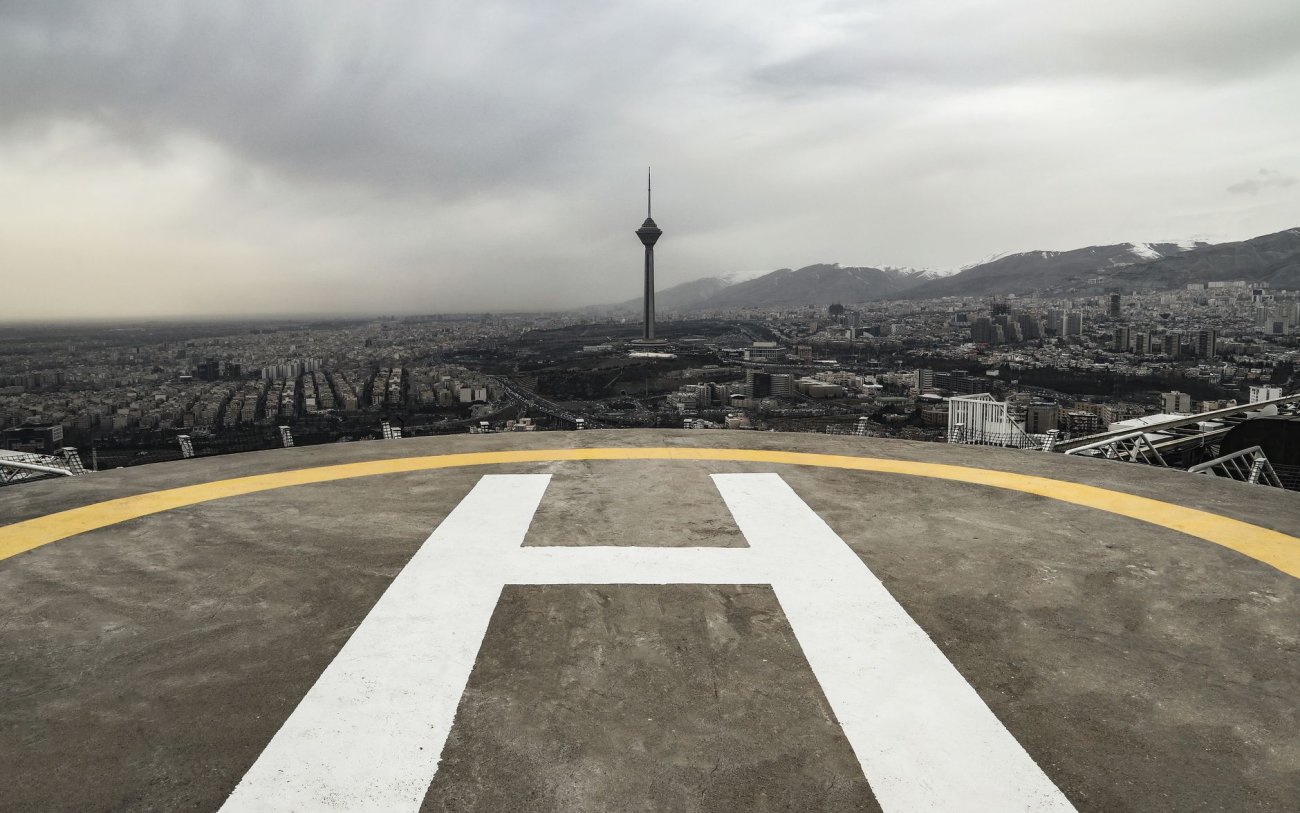
The recent understanding between Iran and the United States represents a significant shift in the geopolitical landscape, offering potential for a broader agreement that could have far-reaching effects beyond the immediate region. This development comes amidst heightened tensions in the Middle East, with key global players closely monitoring the situation to see if it might lead to a comprehensive deal on Iran's nuclear program and the crucial Strait of Hormuz.
According to diplomatic sources, the arrangement provides Iran with an economic lifeline by easing certain sanctions, while deferring more contentious issues for future negotiations. The initial deal grants Iran access to approximately $10 billion in frozen assets, a move designed to stabilize its beleaguered economy. "This is a pragmatic step forward," said U.S. Secretary of State Marco Rubio. "It provides a path for further dialogue, aiming to ensure regional stability while addressing global security concerns." Rubio's optimism reflects the Biden administration's previous efforts that aimed to bring Iran back to compliance with international agreements.
The European Union has expressed cautious optimism, with EU foreign policy chief Josep Borrell emphasizing the importance of maintaining momentum. "The potential for a lasting agreement hinges on continued constructive engagement from all parties," Borrell stated. "Europe remains committed to supporting diplomatic solutions that ensure peace and security in the Middle East." The EU's stance underscores its role as a key mediator in previous negotiations and its interest in preventing further escalation of tensions in the region.
Despite the promising start, some experts remain skeptical, pointing to past negotiations that have faltered at critical junctures. The Iranian government, led by President Ebrahim Raisi, continues to assert its right to nuclear development for peaceful purposes, a stance that has been a sticking point in previous talks. However, the economic incentives offered by the current arrangement may provide sufficient motivation for Iran to engage more earnestly in future negotiations.
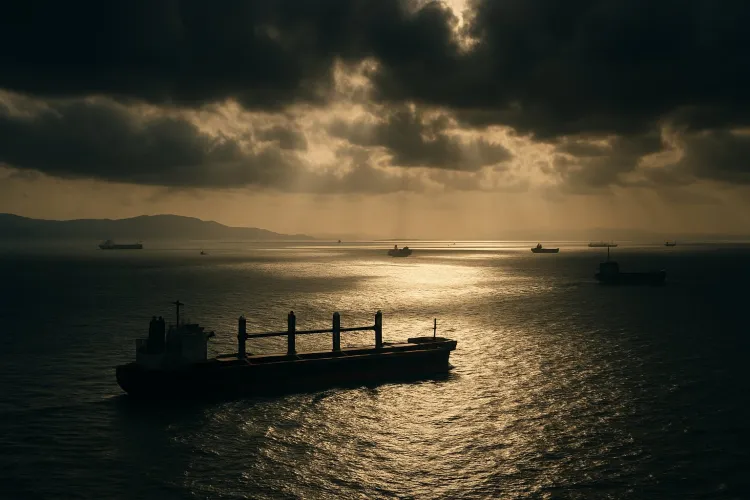
The implications of this understanding extend beyond the Middle East. The Strait of Hormuz, a vital chokepoint for global oil shipments, remains a focal point of international concern. Any disruptions in this key maritime corridor could have significant ramifications for global energy markets, affecting prices and supply chains worldwide. The potential for stability in this region is particularly relevant for developing nations, including those in Africa, which are vulnerable to fluctuations in oil prices and rely heavily on energy imports.
As talks progress, the international community will be watching closely to see if Iran and the U.S. can build on this initial understanding. The outcome could reshape alliances and influence global economic and security dynamics. With both sides showing a willingness to negotiate, the hope is that a comprehensive agreement can be reached, offering a new era of cooperation and stability. Until then, the world waits with bated breath.




Comments
No comments yet — be the first.