
US Targets Oil Tanker as Part of Enforced Blockade Amid Heightened Tensions with Iran
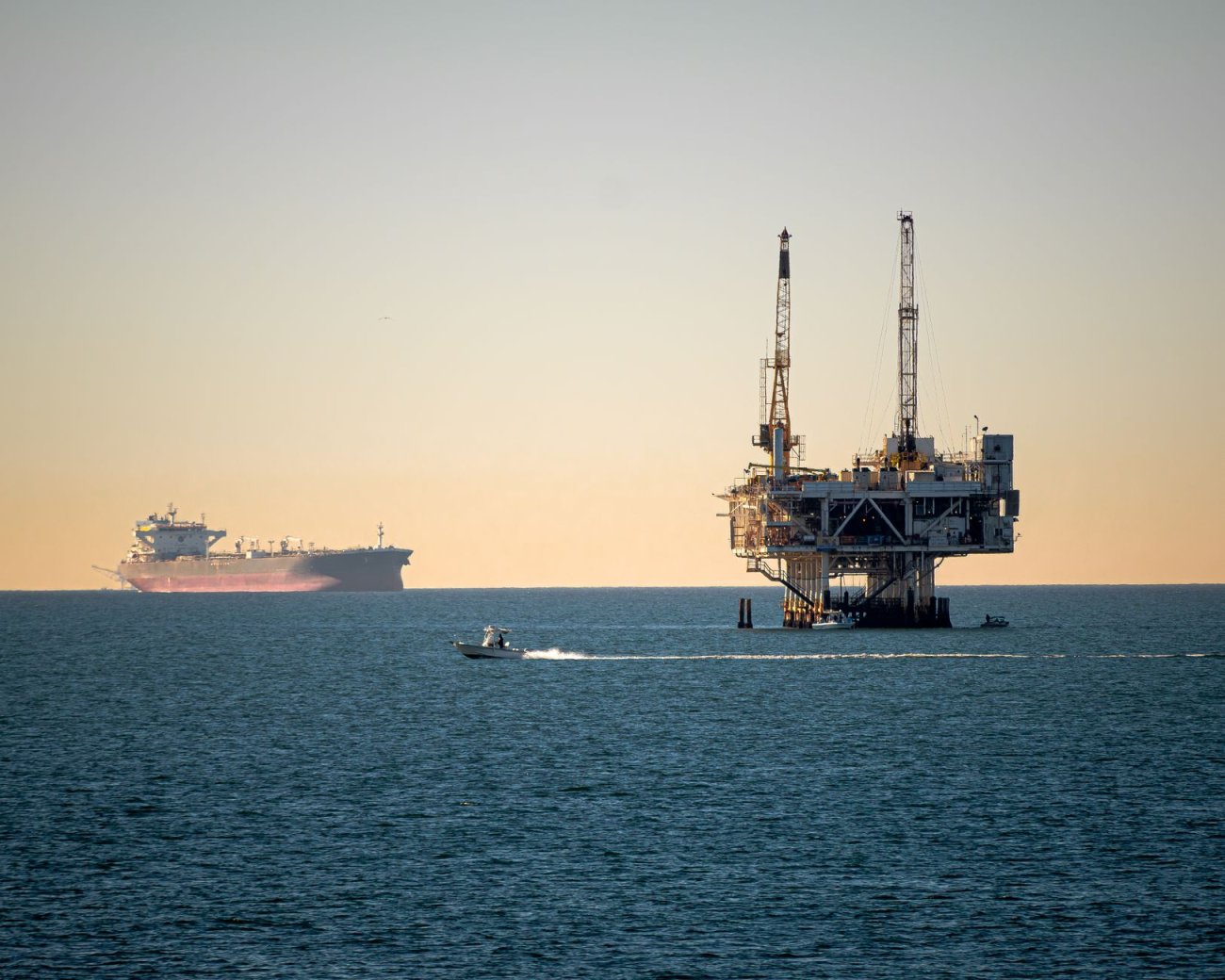
The United States military has struck an oil tanker in what is reported to be an enforcement measure of its newly-introduced blockade, targeting shipments intended for key Iranian oil facilities. The incident, which occurred on July 15, 2026, involved the deployment of missiles to intercept the unladen tanker reportedly bound for the Iranian oil terminal on Kharg Island. This move comes amid heightened geopolitical tensions between Washington and Tehran, as the two nations continue to spar over regional influence and nuclear program disagreements.
According to the U.S. Department of Defense, the action was a necessary measure to curb illicit oil trade that allegedly funds destabilizing activities by the Iranian regime. U.S. Secretary of Defense Pete Hegseth stated, "This operation demonstrates our unwavering commitment to preventing Iran from gaining illicit financial resources used to support terrorism and undermine regional stability." Hegseth further emphasized the importance of international cooperation in enforcing sanctions designed to restrict Iran's oil exports.
This recent escalation has prompted widespread international reactions, with several countries expressing concerns over potential disruptions to global oil markets. The interception of the tanker marks the first direct military action under the new blockade policy, a strategy unveiled by the administration of President Donald Trump as part of its broader campaign to exert maximum pressure on Iran. The policy has been described as a significant shift from previous administrations’ strategies, which leaned towards diplomatic engagements.
Marco Rubio, the U.S. Secretary of State, has been actively engaging with allies to rally support for the United States' stance on Iran. Rubio remarked, "Our actions are in line with our commitment to safeguarding international waters and ensuring that Iran's malign activities are checked. We call upon our global partners to join us in this effort to promote peace and stability in the region." The blockade and subsequent military actions have been met with criticism from various quarters, including humanitarian organizations concerned about the potential humanitarian impact on the Iranian populace.
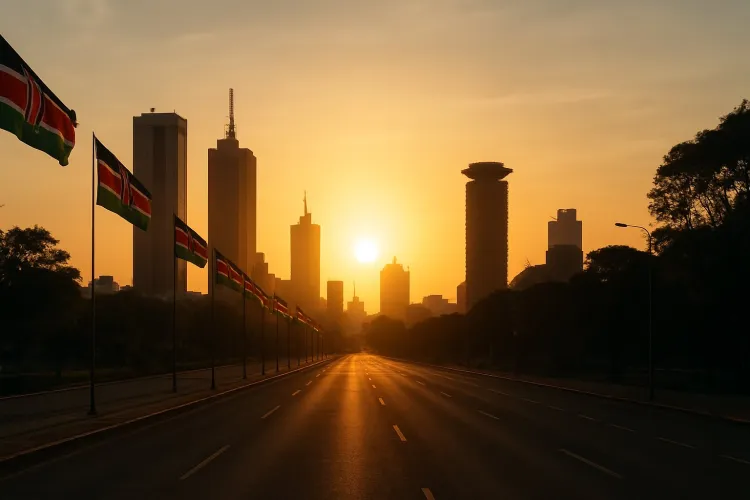
The U.S. military's interception of the tanker underscores the complex dynamics of enforcing international sanctions, particularly in strategically pivotal regions. Analysts have noted that the potential ripple effects on oil prices could have broader implications for developing nations, especially in Africa, where economies are heavily reliant on energy imports. Any sustained increase in oil prices could exacerbate economic challenges, compounding existing difficulties in these regions.
As the situation develops, the international community remains vigilant regarding the potential for further military confrontations. Observers are closely monitoring the responses from Tehran, which has historically vowed to retaliate against perceived aggressions. Iran's long-standing position, as articulated by its officials, emphasizes the importance of sovereignty and economic self-determination in the face of external pressures.
Looking ahead, the unfolding scenario is likely to feature prominently on the agenda of upcoming international forums, where diplomatic efforts may intensify to de-escalate tensions. The delicate balance of maintaining regional stability while addressing security concerns continues to challenge policymakers worldwide.



Comments
No comments yet — be the first.