
Artificial Ice Structures in Himalayas: A Novel Solution for Water Scarcity
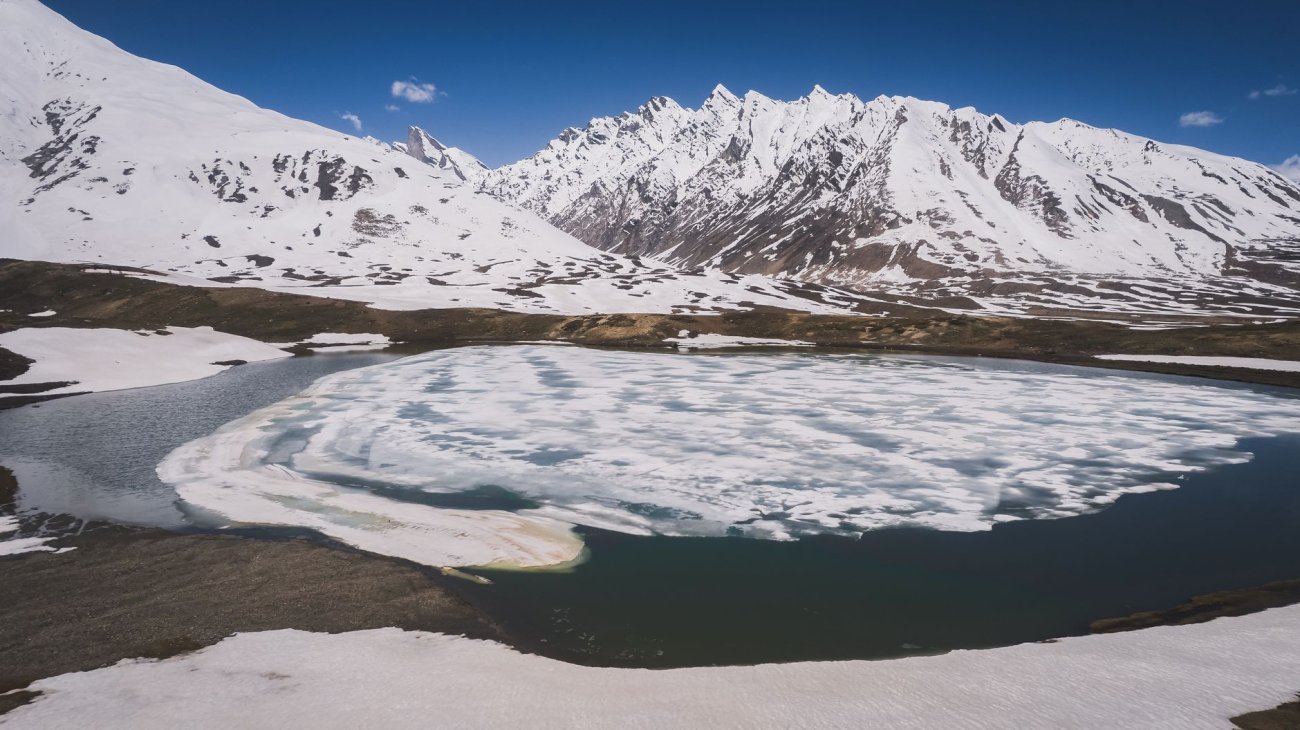
In the arid regions of the Himalayas, a unique innovation is taking shape to combat water scarcity and climate change impacts. Artificial ice pyramids, also known as ice stupas, are being constructed to serve as reservoirs, ensuring a consistent water supply for agricultural needs during spring. This development could offer insights for water management in similarly arid and high-altitude regions around the world, including parts of Africa.
With climate change causing rapid glacial melt and unpredictable weather patterns, Himalayan communities have turned to this ingenious method to secure their livelihoods. The artificial glaciers are created by channeling water through vertical pipes and spraying it into the air during winter, where it naturally freezes in conical shapes, resembling Buddhist stupas. As temperatures rise, these ice structures melt gradually, providing a steady flow of water to downstream villages during critical planting seasons.
Sonam Wangchuk, a prominent engineer and leader behind this initiative, has emphasized the potential of the ice stupas in adapting to changing climates. "The ice stupas are not only a solution to water shortages but also a symbol of how sustainable practices can be integrated into traditional lifestyles," Wangchuk stated in a recent interview. He further highlighted that these structures can store millions of liters of water, which is crucial for regions where traditional water sources are becoming unreliable.
The project has garnered international attention, with organizations such as the United Nations Development Programme (UNDP) and various NGOs offering support and funding. The success of the ice stupas has inspired similar initiatives in other cold, arid regions globally. Experts believe that such innovative solutions could be adapted to other climates facing water scarcity issues, such as parts of Northern Africa where desertification is a growing concern.
Dr. Rajendra Singh, known as India's "Waterman," praised the innovation as a critical step towards sustainable water management. "Traditional knowledge, combined with modern engineering, can yield remarkable results. The ice stupa project is a testament to how communities can become resilient to the vagaries of climate," Singh remarked at a climate summit earlier this year.
As global temperatures continue to climb, the need for adaptive strategies is becoming increasingly urgent. The Himalayan ice stupas offer a blend of creativity and practicality, showcasing how localized solutions can provide broad lessons in resilience. As more countries explore adaptation mechanisms, the successes and challenges of the Himalayan villages could serve as a valuable case study, particularly for developing regions grappling with similar environmental pressures.





Comments
No comments yet — be the first.