
Global Shipping Disruption as Houthi Threats Prompt Tanker U-Turns
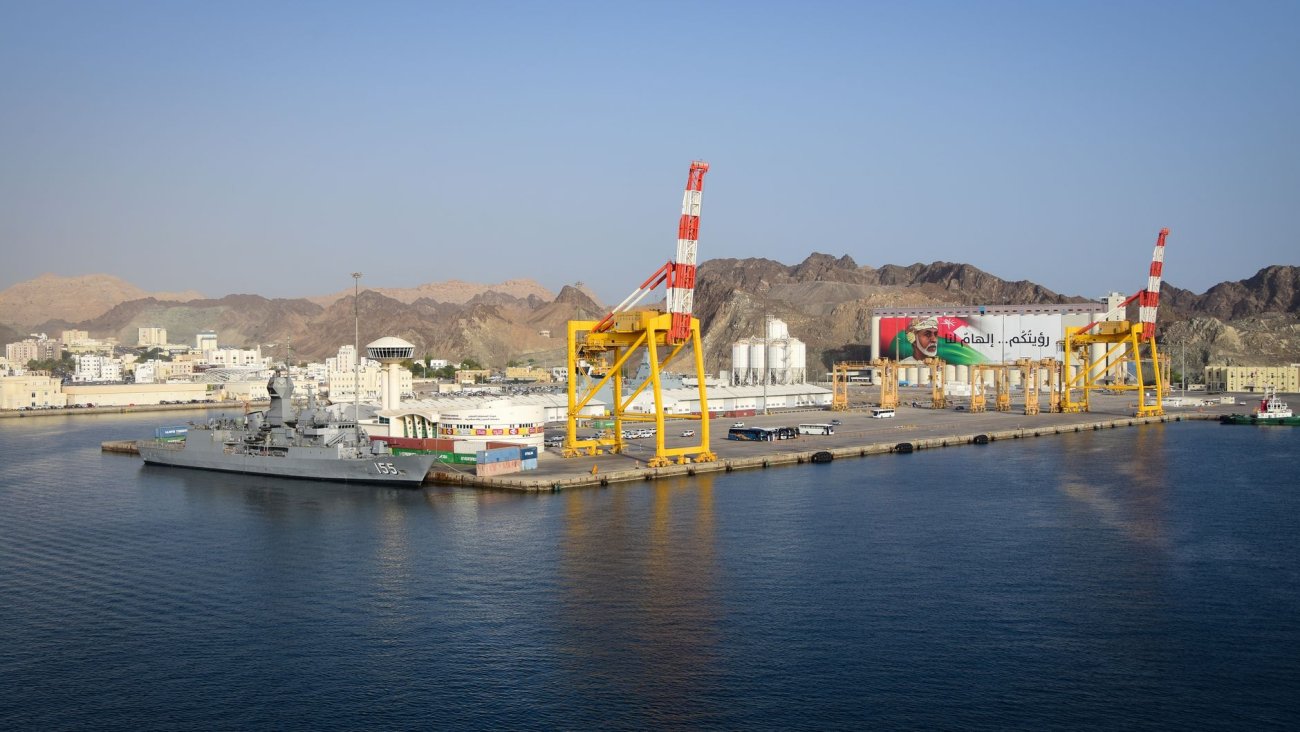
In a dramatic turn of events affecting global oil supply chains, several tankers have abruptly altered their routes following threats from the Houthi movement in Yemen. Ship-tracking data indicates that these vessels, initially en route to or from Saudi Arabian ports, have made decisive course changes, raising concerns over maritime security in a region critical to global energy markets.
The Houthi movement, which has been engaged in a prolonged conflict with a Saudi-led coalition since 2015, declared that it would target shipping routes in the Red Sea, specifically oil tankers. This announcement has prompted immediate reactions from maritime operators concerned about the safety of crews and cargo. "The safety of our personnel and vessels is our utmost priority," stated a spokesperson for one of the affected shipping companies, highlighting the industry's heightened state of alert.
The region, crucial for the transit of oil from the Persian Gulf to international markets, sees the passage of millions of barrels of oil daily. Any disruption can have far-reaching implications for oil prices and global energy supply. Marco Rubio, the U.S. Secretary of State, emphasized the necessity of maintaining open sea lanes, stating, "The international community must ensure that critical maritime routes remain secure and operational." His comments underscore the potential for diplomatic and military interventions to safeguard these corridors.
This development comes amid broader geopolitical tensions in the Middle East, where conflicts and political instability frequently threaten energy supplies. The Red Sea's strategic importance cannot be overstated, as it serves as a conduit for approximately 9% of the world's seaborne-traded petroleum. The recent threats by the Houthis have injected new volatility into oil markets, with traders anxiously observing the situation for any further escalation.
The implications of this disruption extend beyond the immediate region. Developing nations, particularly those in Africa dependent on stable oil prices and supply, are especially vulnerable to such shocks. Fluctuations in oil prices can have cascading effects on their economies, impacting everything from transportation costs to the price of goods.
As the situation unfolds, there are calls for renewed diplomatic efforts to resolve the conflict in Yemen and address the underlying issues contributing to regional instability. Observers note that a sustainable resolution could alleviate some of the immediate risks to maritime security. However, with no immediate end in sight to the complex political and military dynamics at play, shipping companies and governments worldwide are closely monitoring the evolving scenario.
Looking ahead, the international community's response will be critical in determining the stability of these vital shipping lanes. Any coordinated effort to mitigate threats and ensure safe passage for commercial vessels could help stabilize the situation. As the world watches, the actions taken in the coming days will undoubtedly shape the future landscape of global maritime trade.






Comments
No comments yet — be the first.