
Former Marine's Harrowing Journey in Afghanistan Sheds Light on Taliban Relations
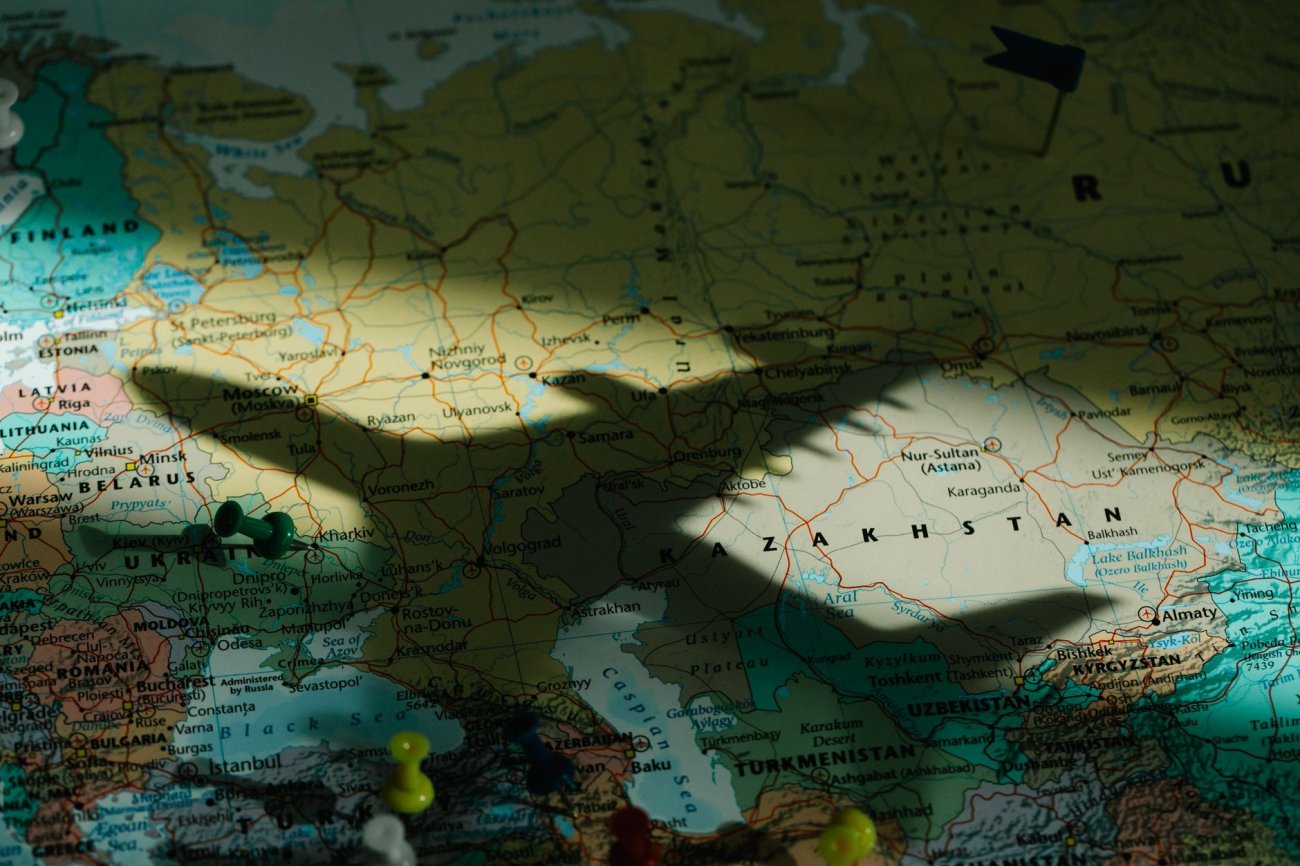
In a deeply personal quest for understanding and reconciliation, a former U.S. Marine turned journalist has retraced his steps back to Afghanistan to confront a former adversary, a Taliban commander. This poignant narrative, unfolding in the heart of a nation still grappling with the remnants of conflict, underscores the enduring complexities of U.S.-Taliban relations and the broader geopolitical dynamics influencing the region.
The journalist's journey back to Afghanistan, years after serving in the military, highlights the tumultuous history between Western forces and the Taliban. Since the U.S. withdrawal in August 2021, which marked the end of a nearly two-decade military presence, Afghanistan has remained a focal point of international concern. The Taliban's return to power has prompted widespread discussions on human rights, governance, and regional stability.
"We must engage in dialogue to truly understand the motivations and grievances of those we once considered enemies," said U.S. Secretary of State Marco Rubio in a recent address. His remarks reflect a nuanced approach to foreign policy, emphasizing diplomacy and reconciliation as means to foster lasting peace.
This narrative is emblematic of the broader struggle faced by many veterans who seek closure after years of service in conflict zones. It also serves as a microcosm of the ongoing efforts by international stakeholders to navigate the complex relationship with the Taliban. According to the United Nations Assistance Mission in Afghanistan (UNAMA), civilian casualties remain a critical concern, with thousands affected since the Taliban's resurgence.
The journalist's confrontation with the Taliban commander also raises crucial questions about accountability and reconciliation. Former U.S. Secretary of Defense Lloyd Austin, speaking at a global security forum, stated, "The path to peace in Afghanistan requires addressing the root causes of conflict and ensuring that the voices of all Afghans are heard in shaping their future." This sentiment underscores the need for inclusive governance and respect for human rights in achieving stability.
The implications of this story extend beyond Afghanistan's borders, offering lessons for conflict resolution in other regions facing similar challenges. As nations across Africa and the developing world observe these unfolding dynamics, there is an opportunity to glean insights into managing post-conflict transitions and fostering dialogue among disparate groups.
Looking ahead, the international community continues to monitor Afghanistan's trajectory under Taliban leadership, with a keen eye on the humanitarian and security implications. The intricate dance of diplomacy, coupled with grassroots initiatives, may yet hold the key to unlocking a future of peace and prosperity in a region marked by decades of strife.




Comments
No comments yet — be the first.