
UK Enforces Hosepipe Ban Amid Severe Drought, Raising Global Water Management Concerns
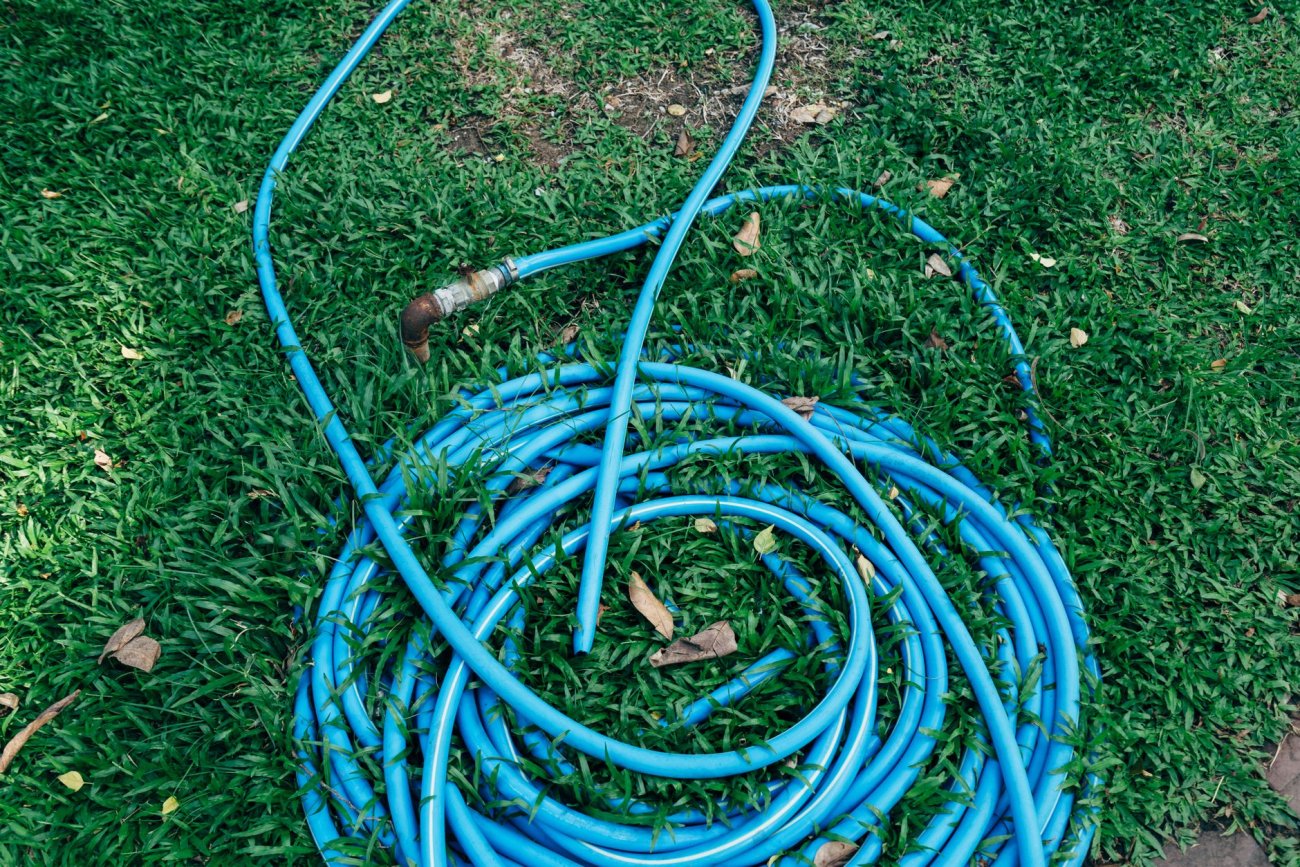
A severe drought has prompted the United Kingdom to impose a hosepipe ban affecting over eight million households, raising pressing questions about water resource management amid increasing climate challenges. The ban, enforced with immediate effect, highlights the urgency of addressing water scarcity and its broader implications on a global scale. As the situation unfolds, experts and officials weigh in on the impact of climate change on water supplies, not only in the UK but across the globe, particularly in developing nations vulnerable to environmental changes.
The hosepipe ban, which restricts non-essential water use such as watering gardens, washing cars, and filling swimming pools, underscores the critical state of water resources in the UK. "The current drought conditions are unprecedented," said James Bevan, Chief Executive of the UK's Environment Agency. "We must act decisively to conserve water and encourage responsible usage." Official data from the Environment Agency indicates that the UK has experienced its driest July in over 40 years, exacerbating the strain on water reservoirs.
The situation in the UK reflects broader global patterns, as climate change continues to alter precipitation patterns, intensifying both droughts and floods. It raises concerns about the resilience of water management systems worldwide, especially in regions that lack advanced infrastructure. Developing countries in Africa, for instance, face significant challenges in managing water resources, with limited access to technology and financial resources to mitigate the impacts of climate change.
Global water consumption has been on the rise, with the United Nations reporting a 1% increase annually due to population growth and economic development. This trend places further stress on already depleted water resources. "Climate change is a global issue requiring a global response," emphasized Inger Andersen, Executive Director of the United Nations Environment Programme. "Countries must cooperate to ensure sustainable water management practices are in place, especially in vulnerable regions."
The hosepipe ban in the UK serves as a stark reminder of the challenges posed by climate change and the need for comprehensive strategies to manage water resources efficiently. It calls for enhanced international cooperation to share best practices and develop innovative solutions to water scarcity. As temperatures rise and weather patterns become more erratic, regions worldwide, including Africa, must adopt adaptive measures to secure water supplies for future generations.
The UK's ongoing drought situation will be closely monitored, with the possibility of extending restrictions if weather conditions do not improve. Meanwhile, it serves as a critical point of reflection for policymakers, environmentalists, and the global community at large, emphasizing the necessity of sustainable water management practices in the face of an unpredictable climate future.




Comments
No comments yet — be the first.