
Europe's Wildfires Persist as Spain and France Brace for Escalating Risks
Wildfires in Spain and France have temporarily slowed, but authorities warn of even greater threats ahead as rising temperatures and strong winds are expected to exacerbate conditions in the coming days. In Spain, Prime Minister Pedro Sánchez stressed that the next 12 hours would be "decisive" in determining the containment of the fires, which have ravaged thousands of hectares of land. French Interior Minister Gérald Darmanin noted that while firefighters have managed to contain some of the blazes, the battle is far from over. "The conditions are extremely challenging, and we must remain vigilant," Darmanin stated during a briefing.
Spain and France, both grappling with soaring summer temperatures, have deployed extensive resources to manage the fires. In Spain alone, more than 1,000 firefighters have been mobilized, supported by aerial units dropping thousands of liters of water. According to the European Forest Fire Information System (EFFIS), nearly 300 square kilometers have been affected across both nations. This dire situation highlights the broader implications of climate change, which experts say is fueling more frequent and severe wildfires.
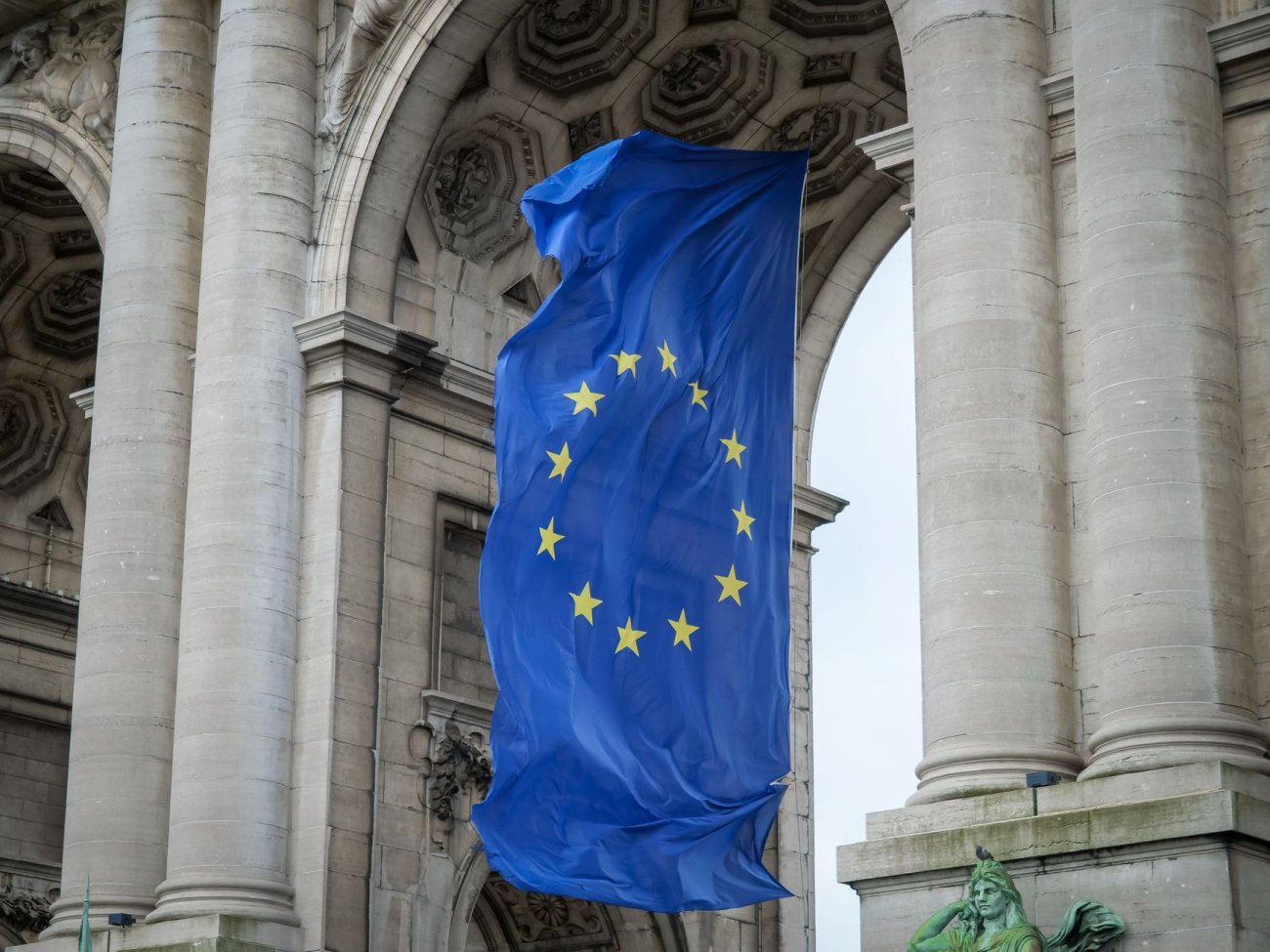
The European Union has activated its Civil Protection Mechanism, enabling member states to assist with resources such as fire-fighting aircraft and personnel. EU Crisis Management Commissioner Janez Lenarčič expressed solidarity with the affected regions, stating, "The EU stands ready to support Spain and France in these critical times." The collaborative efforts underscore the interconnected nature of environmental challenges faced by nations worldwide.
While Europe focuses on immediate responses, the fires pose questions about long-term strategies for wildfire management and climate adaptation. The World Meteorological Organization (WMO) has warned that global warming is leading to longer fire seasons, prompting calls for more sustainable land management practices. "We are witnessing a new era of wildfires," WMO Secretary-General Petteri Taalas commented. "It is crucial that we adapt our strategies to these evolving threats."
The impact of these fires extends beyond Europe, as air quality deteriorates in neighboring regions and contributes to global carbon emissions. The African continent, already vulnerable to climate impacts, may face indirect consequences such as shifts in weather patterns and increased respiratory health issues due to transboundary air pollution.
As the situation develops, authorities in Spain and France are urging residents in affected areas to adhere to evacuation orders and safety protocols. The emphasis remains on preventing further loss of life and property. With the threat of wildfires growing worldwide, it is clear that global cooperation and proactive measures are essential to addressing this intensifying challenge.

Comments
No comments yet — be the first.