
Climate Change Threatens Nuclear Energy Stability as Danube Reaches Record Low Levels
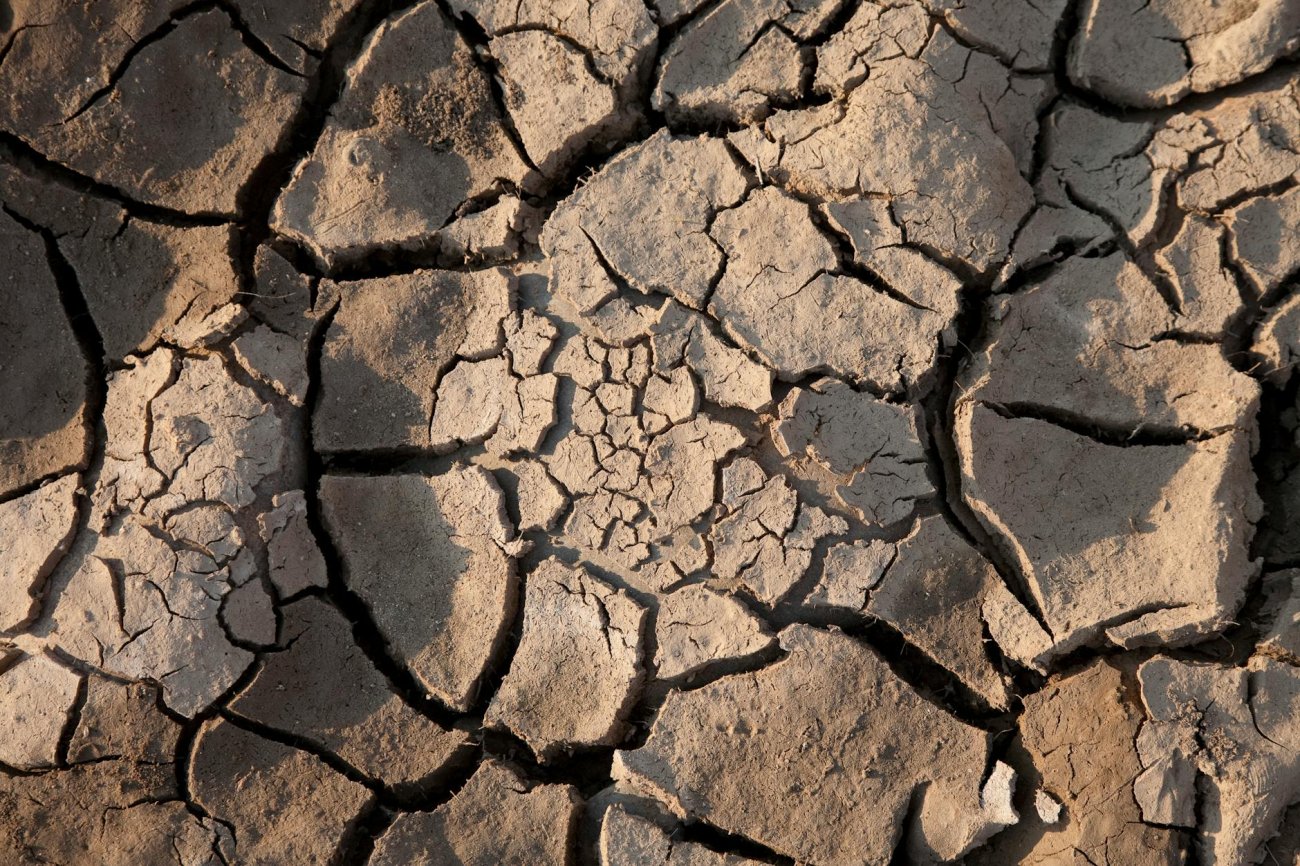
In an unprecedented move, Hungary has been forced to shut down its sole nuclear power plant due to record low levels in the Danube River, highlighting the acute vulnerabilities that climate change poses to critical energy infrastructure. The severe drop in river levels, a result of prolonged heatwaves and insufficient rainfall, has left Europe grappling with significant energy challenges, with Romania, Bulgaria, and Serbia also feeling the impact.
The Paks Nuclear Power Plant, which provides approximately 50% of Hungary's electricity, relies on the Danube for cooling its reactors. Without sufficient water flow, the plant's operations have been deemed unsafe, prompting the immediate cessation of energy production. Hungarian government spokesperson Gergely Gulyás remarked, "This is a stark reminder of the direct impacts climate change can have on our energy security. It is imperative that we take decisive action to adapt our infrastructure to these new realities."
The situation has not only raised concerns over energy stability in Central Europe but also underscored the broader global implications of rising temperatures and changing weather patterns. In Romania, the government has initiated emergency measures to address potential power shortages, while Bulgaria and Serbia are exploring alternative energy sources to mitigate the risk of similar disruptions.
According to data from the European Environment Agency, the frequency and intensity of heatwaves in Europe have increased significantly over the past decade, with projections suggesting further exacerbation. As rivers like the Danube continue to shrink, the reliability of hydroelectric and nuclear power plants is threatened, potentially leading to higher energy costs and increased reliance on fossil fuels.
International energy experts warn that climate-resilient strategies must be prioritized to secure future energy supplies. Fatih Birol, Executive Director of the International Energy Agency (IEA), stated, "The events in Hungary are a clarion call for the global community to accelerate efforts in developing robust energy systems that can withstand climatic disruptions."
These developments have particular resonance for developing nations, including those in Africa, where climate change impacts are often more pronounced due to limited resources and infrastructure. The reliance on hydroelectric power in many African countries could face similar challenges, potentially jeopardizing energy access and economic growth. The African Union has previously called for increased international support to bolster climate resilience across the continent.
As Europe battles the repercussions of environmental change, the attention now shifts to how regional and international policymakers will respond to ensure future energy security. The European Union is expected to convene an emergency session to discuss strategic energy resilience measures, while Hungary's government is exploring investment in sustainable energy alternatives, including wind and solar power, to diversify its energy mix. The unfolding crisis along the Danube serves as a critical reminder of the pressing need for global cooperation and innovation in addressing the challenges posed by climate change.





Comments
No comments yet — be the first.