
Saudi Arabia, Turkey, and Pakistan Forge Landmark Defense Pact Amid Middle East Instability
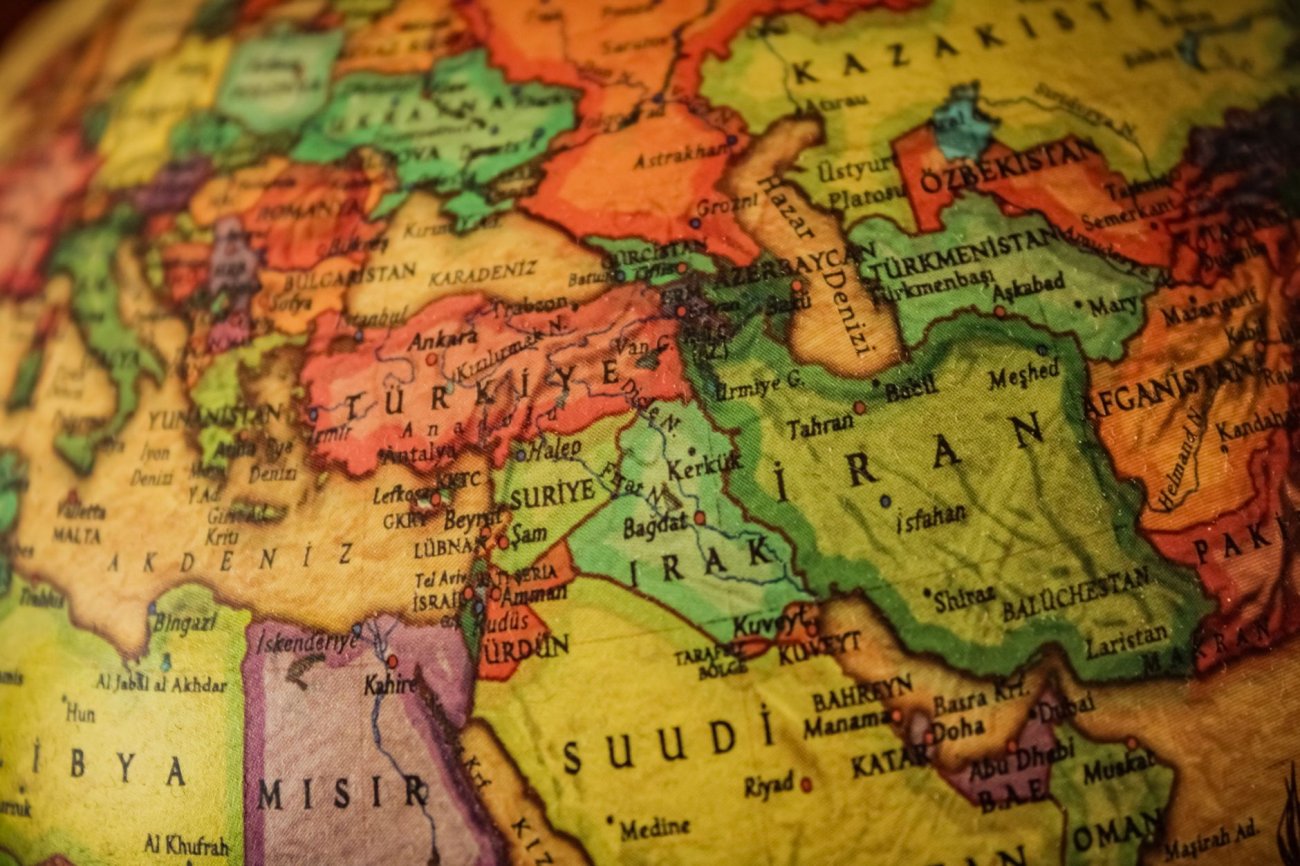
In a significant development in international relations, Saudi Arabia, Turkey, and Pakistan have entered into a defense pact, underscoring their commitment to mutual security amid escalating tensions in the Middle East. The agreement, announced on August 8, 2026, signals a deepening alliance among the three nations, which are navigating a landscape fraught with geopolitical challenges and regional conflicts.
The tripartite pact, hailed as a strategic move by defense analysts, stipulates that an attack on any one of these countries will be considered an attack against all, effectively establishing a collective security framework. Pakistani Foreign Minister Bilawal Bhutto Zardari emphasized the importance of the agreement, stating, "This pact is a testament to our unwavering commitment to peace and stability in the region. It sends a strong message that aggression against any of us will not be tolerated." His words echo the sentiments of many officials in the partner countries, who view the pact as a deterrent against potential adversaries.
The agreement comes at a time when the Middle East is witnessing heightened instability, with ongoing conflicts in Syria and Yemen, and increasing tensions involving Iran. Saudi Arabian Defense Minister Prince Khalid bin Salman highlighted the pact's strategic significance, remarking, "In these challenging times, our unity is our strength. This agreement fortifies our defense capabilities and enhances our capacity to respond to threats collectively."
Turkey's President Recep Tayyip Erdoğan, during the announcement, pointed to the historical ties and shared security interests that bind the three nations. "Our collaboration is built on decades of friendship and mutual trust. This defense pact not only protects our nations but also contributes to the broader stability of our region," Erdoğan said. The pact is expected to facilitate joint military exercises, intelligence sharing, and collaborative defense projects, strengthening the military and strategic ties among the countries.
Observers note that the pact could have implications beyond the Middle East, potentially affecting global power dynamics. The agreement may prompt a strategic recalibration by other regional actors and international powers with vested interests in the Middle East. Additionally, the pact could influence security and defense cooperation patterns in developing nations, including African countries that have historically maintained close ties with the signatory nations.
While the pact is primarily focused on defense, experts suggest that it could pave the way for broader cooperation in economic and technological domains. The participating countries have already engaged in discussions surrounding trade and investment, which could further solidify their alliance.
As the pact unfolds, the international community will be closely monitoring its impact on the region's security landscape. The potential responses from other key players in the Middle East, such as Israel and Iran, and major global powers like the United States and Russia, remain to be seen. The evolving dynamics will likely influence future diplomatic engagements and military strategies in a region that continues to be a focal point of global geopolitical interest.





Comments
No comments yet — be the first.