
Helicopter Crash Halts Utah Wildfire Efforts Amid Global Climate Challenges
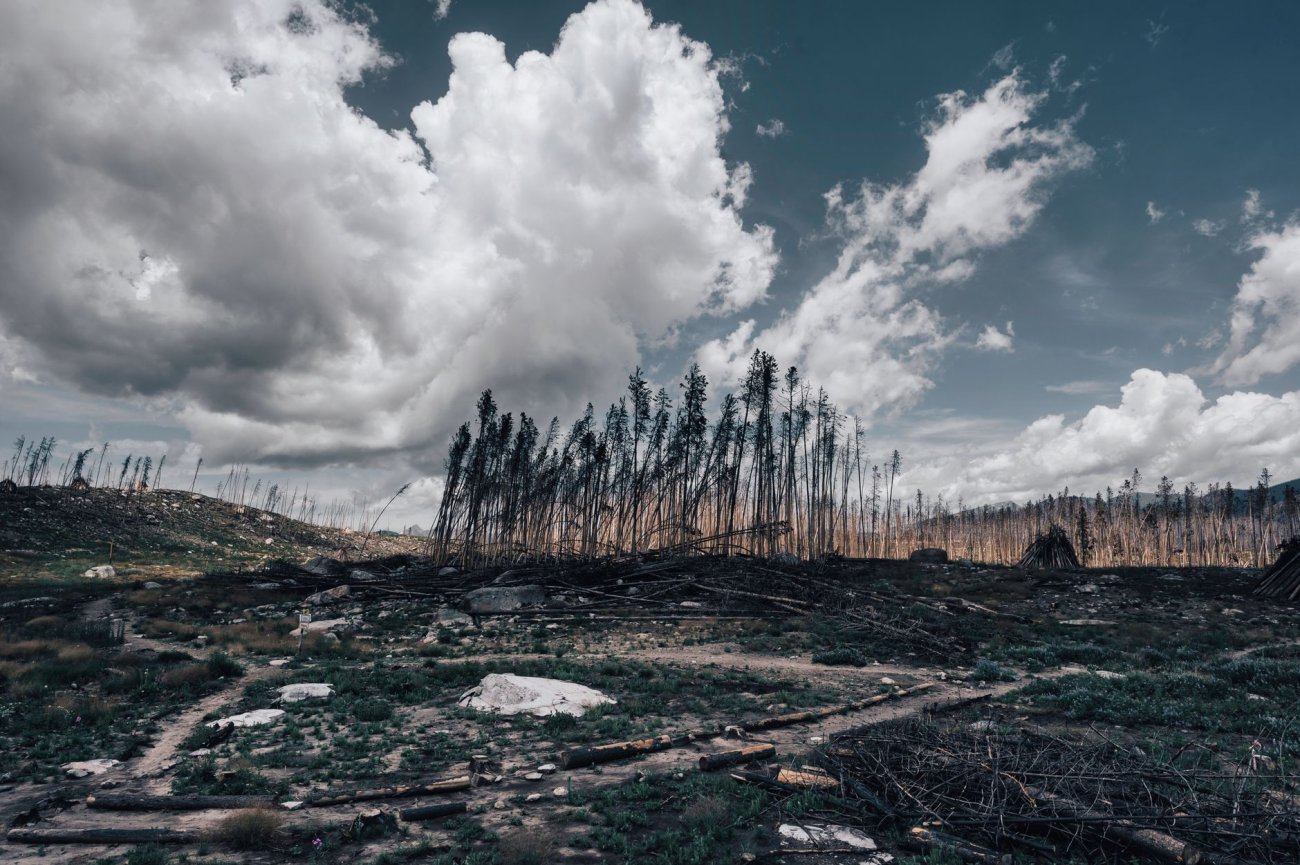
A tragic helicopter crash has claimed the lives of a pilot and crew member as they were battling the ongoing wildfires in Utah, raising concerns about the increasing frequency and intensity of wildfires exacerbated by climate change. The crash occurred amid efforts to contain the blaze that has ravaged parts of Utah, with current containment at a mere 24 percent, according to the Utah Division of Forestry, Fire and State Lands.
The Utah wildfire is one of many raging across the globe, highlighting the growing global challenge of managing wildfires intensified by rising temperatures and prolonged dry spells. "The situation is dire," stated Utah's State Forester, Brian Cottam. "We are deploying all available resources, but the conditions are extremely challenging."
Wildfires have increasingly become a global concern, affecting various regions from the United States to Australia, and parts of Europe. The National Interagency Fire Center (NIFC) in the U.S. has reported that, as of August 2026, over 3.2 million acres have been burned nationwide, a stark increase from previous years.
Globally, the implications of these wildfires are profound, affecting air quality, biodiversity, and contributing to carbon emissions. According to the World Meteorological Organization, wildfires released an estimated 1.5 gigatons of carbon dioxide into the atmosphere in 2025 alone. "This is not just a local issue, but a global crisis," emphasized Dr. Petteri Taalas, Secretary-General of the World Meteorological Organization. "The impact of these fires on climate and air quality is alarming and requires immediate international cooperation."
For developing nations, particularly in Africa, the situation presents both direct and indirect challenges. While not all regions are prone to wildfires, the resultant climate effects, such as altered rainfall patterns and increased temperatures, can exacerbate food insecurity and water scarcity. African nations are thus urged to bolster their climate resilience strategies.
In response to the growing crisis, the United Nations Environment Programme (UNEP) has called for increased funding and international support for fire management and prevention techniques. "We must act swiftly to enhance our firefighting capabilities and invest in long-term climate solutions," stated Inger Andersen, Executive Director of UNEP. "Collaboration and innovation are key to addressing these complex challenges."
As the wildfire season peaks, global leaders and environmental organizations continue to monitor developments closely, with a focus on strengthening early warning systems and promoting sustainable land management practices. The tragedy in Utah serves as a stark reminder of the perils faced by those on the front lines of climate change, and the urgent need for a coordinated global effort to mitigate these increasingly common disasters.






Comments
No comments yet — be the first.