
Chinese Robotics Revolutionizes UK Retail Amid Economic Strains
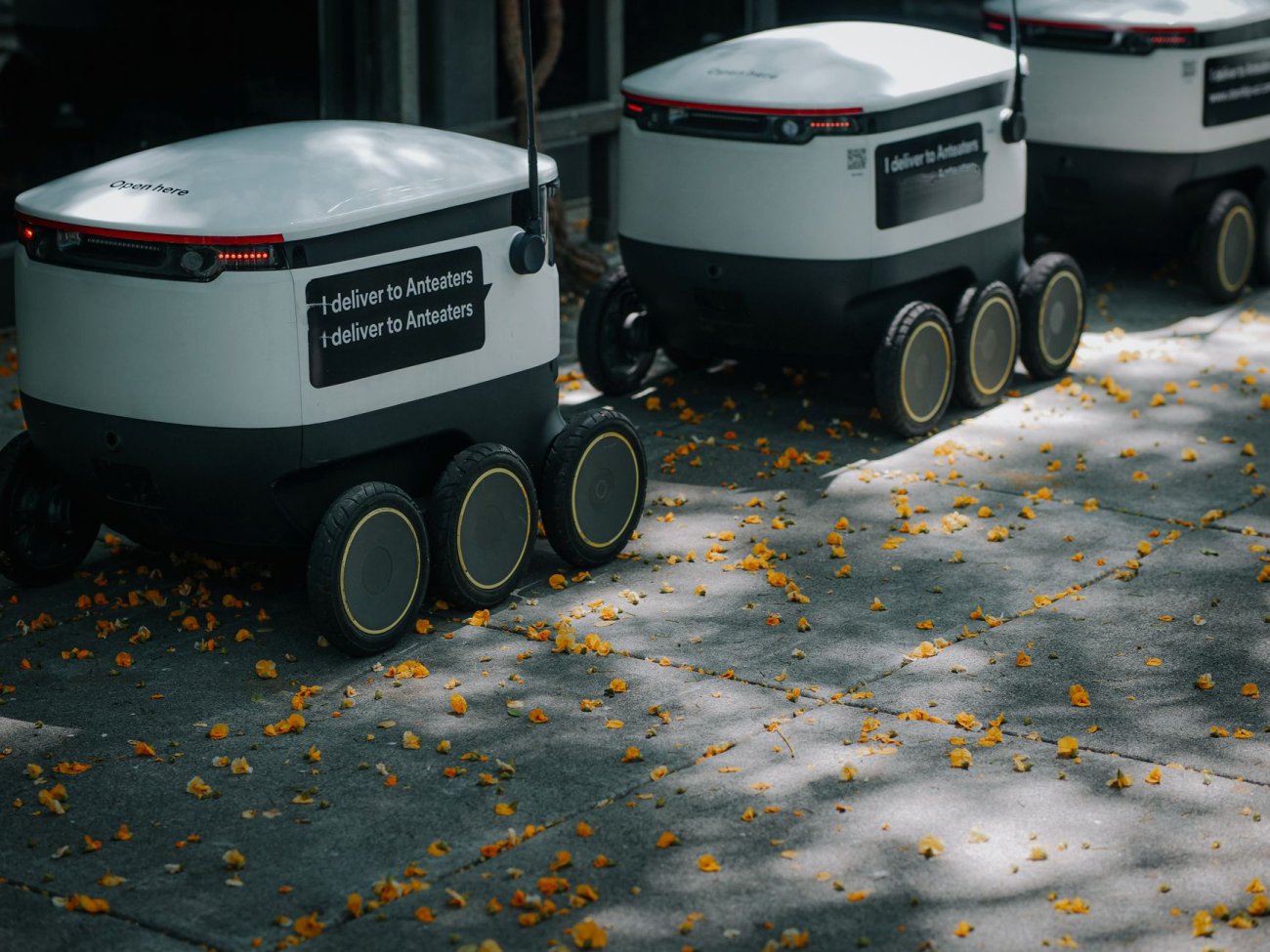
As the United Kingdom grapples with sluggish productivity growth and persistent labor shortages, Chinese robotics firms are making significant inroads into the British retail sector. This development marks a pivotal moment in the global economy, highlighting the rising influence of Chinese technology companies beyond Asia's borders. According to the Office for National Statistics, the UK experienced a mere 0.8% increase in productivity in the last quarter, underscoring the urgent need for innovation in labor-intensive industries.
The influx of advanced robotics from China is seen as a timely solution. British retailers, faced with the dual challenges of a tight labor market and the need to scale up operations, are increasingly turning to automation. "The integration of robotics in retail is not just about replacing human workers; it's about augmenting them to enhance efficiency and reduce costs," said Liu Qiangdong, CEO of JD.com, a leading Chinese e-commerce company that has expanded its robotics offerings globally. "Our technology is designed to support economies in transition and help businesses thrive in a competitive landscape."
The deployment of robotics is anticipated to address chronic staffing issues, streamline supply chains, and improve customer service. Advanced robots are capable of performing tasks ranging from sorting and packaging to inventory management and customer interactions. According to a report by the Confederation of British Industry, automation could boost the UK economy by up to £455 billion by 2030, offsetting the challenges posed by demographic changes and workforce shortages.
However, this technological shift also raises questions about the future of employment and economic sovereignty. Critics, including trade union leaders, have voiced concerns about potential job losses and the reliance on foreign technology. Keir Starmer, the UK Prime Minister, has emphasized the importance of fostering homegrown innovation while embracing international collaboration. "Our priority is to ensure the UK remains a global leader in tech innovation," he stated. "We must balance the benefits of foreign technology with investment in local talent and resources."
The implications of this trend extend beyond the UK and Europe, with potential lessons for developing nations, particularly in Africa. As countries seek to modernize their economies, the integration of robotics and automation presents both opportunities and challenges. The African Development Bank notes that similar technologies could revolutionize sectors such as agriculture and manufacturing, fostering economic growth. However, careful policy measures will be needed to mitigate risks to employment and ensure equitable access to technology.
Looking ahead, the collaboration between British retailers and Chinese robotics firms could serve as a model for other industries and regions. As economies worldwide continue to navigate the complexities of globalization and technological advancement, the successful integration of automation in retail may offer valuable insights into achieving sustainable economic growth in an increasingly interconnected world.






Comments
No comments yet — be the first.