
Iran's Strategic Pressure on the Strait of Hormuz Tests Global Diplomacy
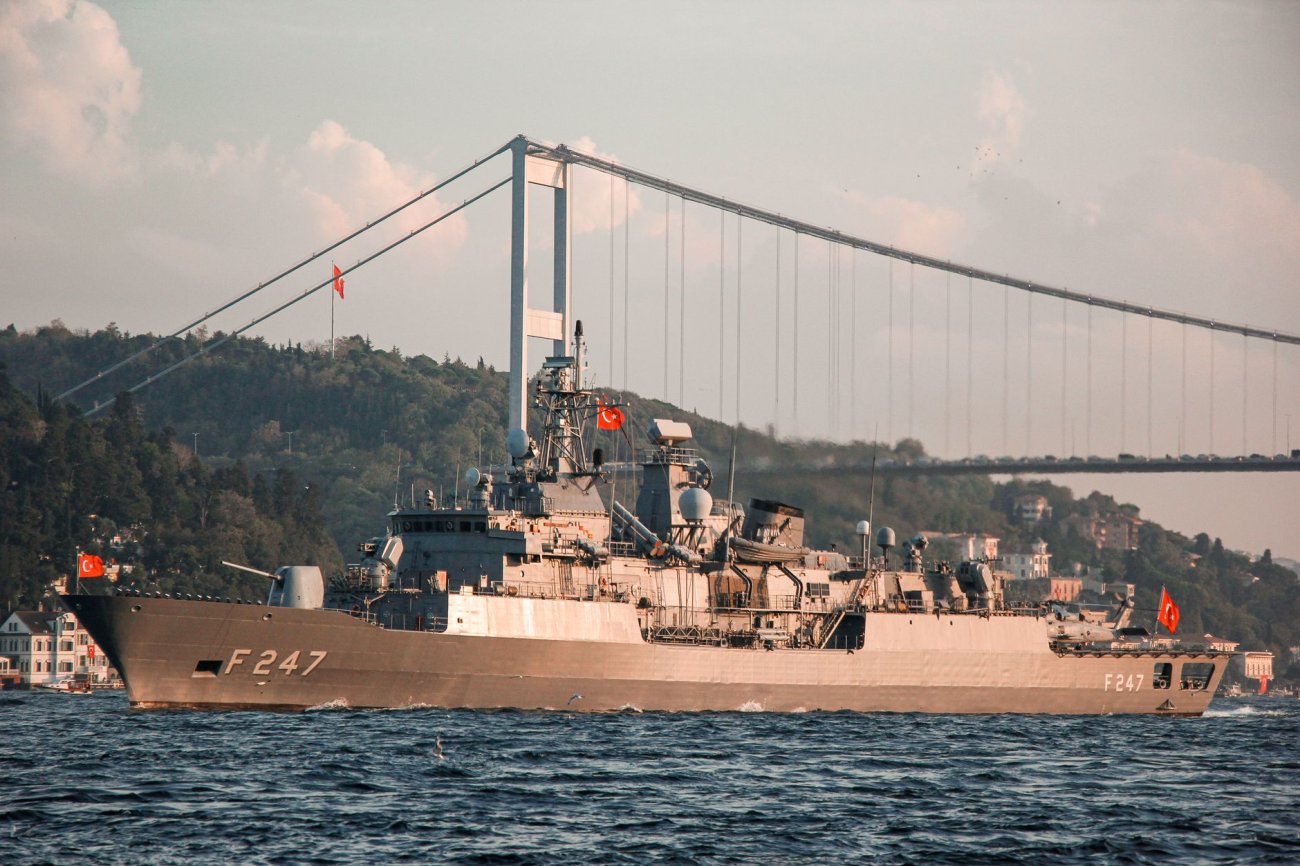
Iran has reinforced its strategic hold over the Strait of Hormuz, leveraging this critical maritime chokepoint to push for a return to the June Memorandum of Understanding with the United States. This development comes as Tehran seeks to unlock its frozen assets, lift long-standing economic sanctions, and end the naval blockade imposed by Washington. The Strait of Hormuz, through which approximately 20% of the world's oil passes, represents a pivotal geopolitical tool for Iran amid ongoing international negotiations.
The Iranian government's latest maneuvering underscores its commitment to utilizing the Strait as a bargaining chip in its broader diplomatic agenda. Iran's Supreme Leader Ayatollah Ali Khamenei has previously emphasized the importance of national resilience in the face of external pressures, stating, "Iran will not yield to any coercive measures that undermine our sovereignty and economic independence."
U.S. officials, including Secretary of State Marco Rubio, have expressed concerns regarding Iran's strategic activities in the region. "The United States is committed to ensuring freedom of navigation and security in the Strait of Hormuz," Rubio remarked, highlighting the potential implications for global energy markets and international maritime law. The U.S. Navy's Fifth Fleet, based in Bahrain, maintains a persistent presence in the Persian Gulf to uphold these objectives.
The situation in the Strait of Hormuz represents a complex nexus of geopolitical interests that extends beyond the bilateral tensions between Iran and the United States. The economic stability of the global oil market hinges significantly on the unhindered passage of oil through this channel. According to the Energy Information Administration, any disruption to the flow could lead to substantial volatility in global oil prices, with far-reaching effects on both developed and developing nations.
For developing countries in Africa and elsewhere that rely heavily on imported oil, shifts in availability and pricing could exacerbate existing economic challenges. The International Monetary Fund has identified oil price fluctuations as a critical risk factor for fiscal stability in these regions, potentially impacting national budgets and development programs.
As Iran continues to assert its position, attention remains focused on potential diplomatic breakthroughs that could ease tensions. There is anticipation surrounding upcoming discussions that could pave the way for a sustainable resolution. However, in the absence of significant progress, the strategic dynamics of the Strait of Hormuz will likely remain a flashpoint in international relations.




Comments
No comments yet — be the first.