
Zambia Votes in Pivotal Election Amid Economic Struggles
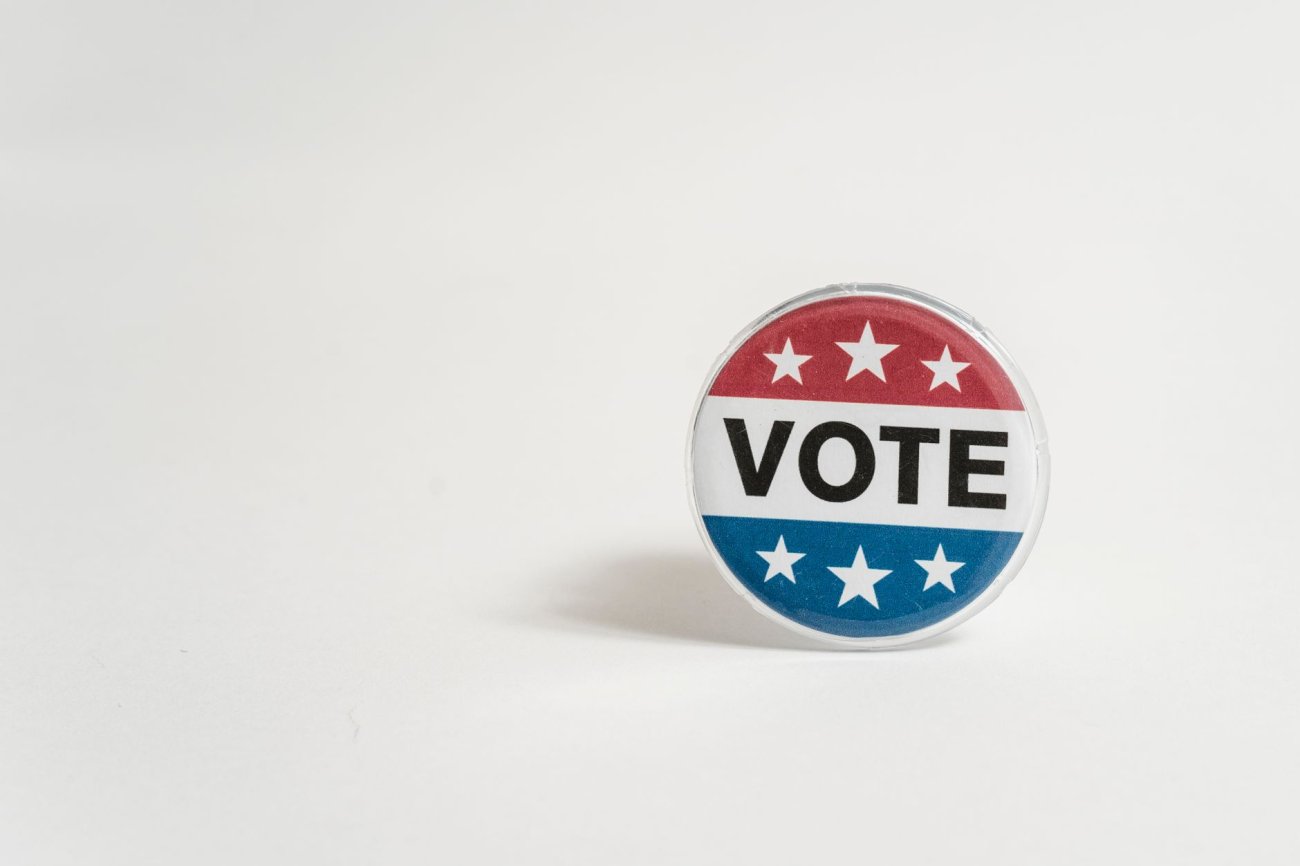
Zambians are heading to the polls as President Hakainde Hichilema seeks a second term in office, facing a challenging political landscape dominated by economic hardships and public discontent. The electoral contest on August 13, 2026, is set against a backdrop of rising living costs and economic pressures that have dented the incumbent's appeal, despite his reformist agenda.
President Hichilema, who rose to power in 2021 with promises to stabilize Zambia's economy and tackle corruption, is now contending with voter dissatisfaction due to inflationary pressures and high unemployment rates. According to Zambia's Central Statistical Office, inflation stood at 15% in July 2026, primarily driven by increases in food and fuel prices. This economic reality has dominated political debates, overshadowing Hichilema's earlier achievements in securing debt relief agreements with international creditors.
"We have made significant progress in negotiating debt restructuring and fostering international partnerships," President Hichilema stated in a recent address. "However, external factors have posed challenges to our economic recovery efforts." His government previously brokered a $1.4 billion Extended Credit Facility with the International Monetary Fund, aimed at stabilizing the country's financial situation.
Hichilema's main opponent, Fred M'membe of the Socialist Party, has capitalized on the economic discontent, promising to prioritize domestic industries and social welfare programs. "Our people deserve a government that puts their needs first and tackles the cost of living crisis head-on," M'membe asserted during a campaign rally last week.
The electoral outcome could have significant implications beyond Zambia's borders, particularly for neighboring African nations and international investors. The stability of Zambia, a key producer of copper, impacts global commodity markets and trade dynamics within the Southern African Development Community (SADC). Analysts are watching closely to see if Hichilema's pro-business policies will prevail or if a shift towards M'membe's socialist platform might alter the economic landscape.
As Zambians cast their votes, the Electoral Commission of Zambia has emphasized the need for a peaceful and transparent election process, deploying approximately 50,000 personnel to oversee the voting. Observers from the African Union and other international bodies are also present to monitor proceedings, ensuring adherence to democratic principles.
Looking forward, the election results will determine the trajectory of Zambia's policy direction, influencing both domestic and regional economic strategies. For African nations grappling with similar economic challenges, Zambia's election may offer insights into the political viability of various economic reforms and policy approaches.



Comments
No comments yet — be the first.