
Nasa's Lunar Mission Marks New Era in Space Exploration
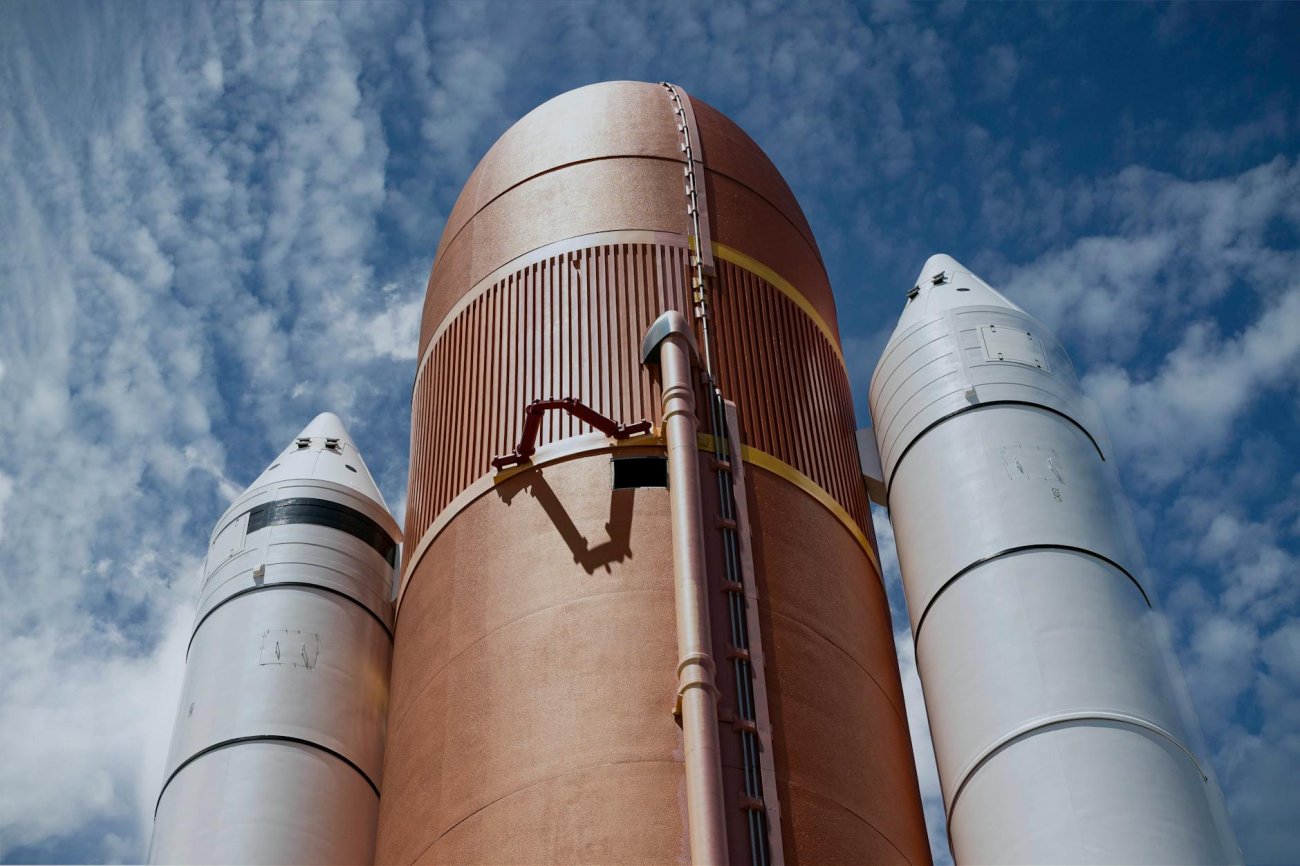
Nasa has successfully completed its historic mission to the Moon, marking a significant milestone in space exploration. The mission, which concluded with a splashdown in the Pacific Ocean, represents the United States' renewed commitment to lunar exploration, nearly five decades after the last Apollo mission. This mission, part of Nasa's Artemis program, aims to establish a sustainable human presence on the Moon by the end of the decade.
As the Artemis mission unfolded, it became clear that its implications extend far beyond the borders of the United States. "This mission is a testament to human ingenuity and the spirit of exploration," said Nasa Administrator Bill Nelson. "Our goal is not just to visit the Moon again, but to stay there and use it as a stepping stone for future missions to Mars." The Artemis program is poised to be a multinational effort, involving partnerships with space agencies from Europe, Canada, and Japan, highlighting its global significance.
The successful completion of this mission was closely watched by international observers, especially in the context of geopolitical tensions in space exploration. The mission underscored the strategic importance of the Moon, not only for scientific research but also for its potential resources, such as water ice, which can be converted into hydrogen fuel. This has sparked interest from countries around the world, including China and Russia, who have also announced plans for lunar exploration.
Rebecca Morelle, Science Editor at BBC, who followed the mission closely, remarked, "Watching the spacecraft's trajectory and eventual splashdown was witnessing history in the making. This mission paves the way for a new era where the Moon serves as a gateway to deeper space exploration." The mission's success is expected to accelerate technological advancements and international collaborations in the space sector.
For developing nations, the Artemis mission presents both challenges and opportunities. As space exploration becomes increasingly globalized, there are calls for greater inclusivity and access to space technologies. The potential for lunar resources also raises questions about fair distribution and international regulations. Developing countries, which may lack the resources for independent space programs, could benefit from collaborative efforts and technology transfers.
Looking ahead, the Artemis program plans to send the first woman and the next man to the lunar surface, with a target landing date set for 2028. This ambitious timeline underscores the urgency and drive behind Nasa's latest lunar endeavors. As nations prepare for the next phase of space exploration, the Artemis mission serves as a reminder of the potential that lies beyond our planet and the collaborative spirit needed to reach new frontiers.






Comments
No comments yet — be the first.