
Japanese Minister's Shrine Visit Sparks Regional Diplomatic Tensions
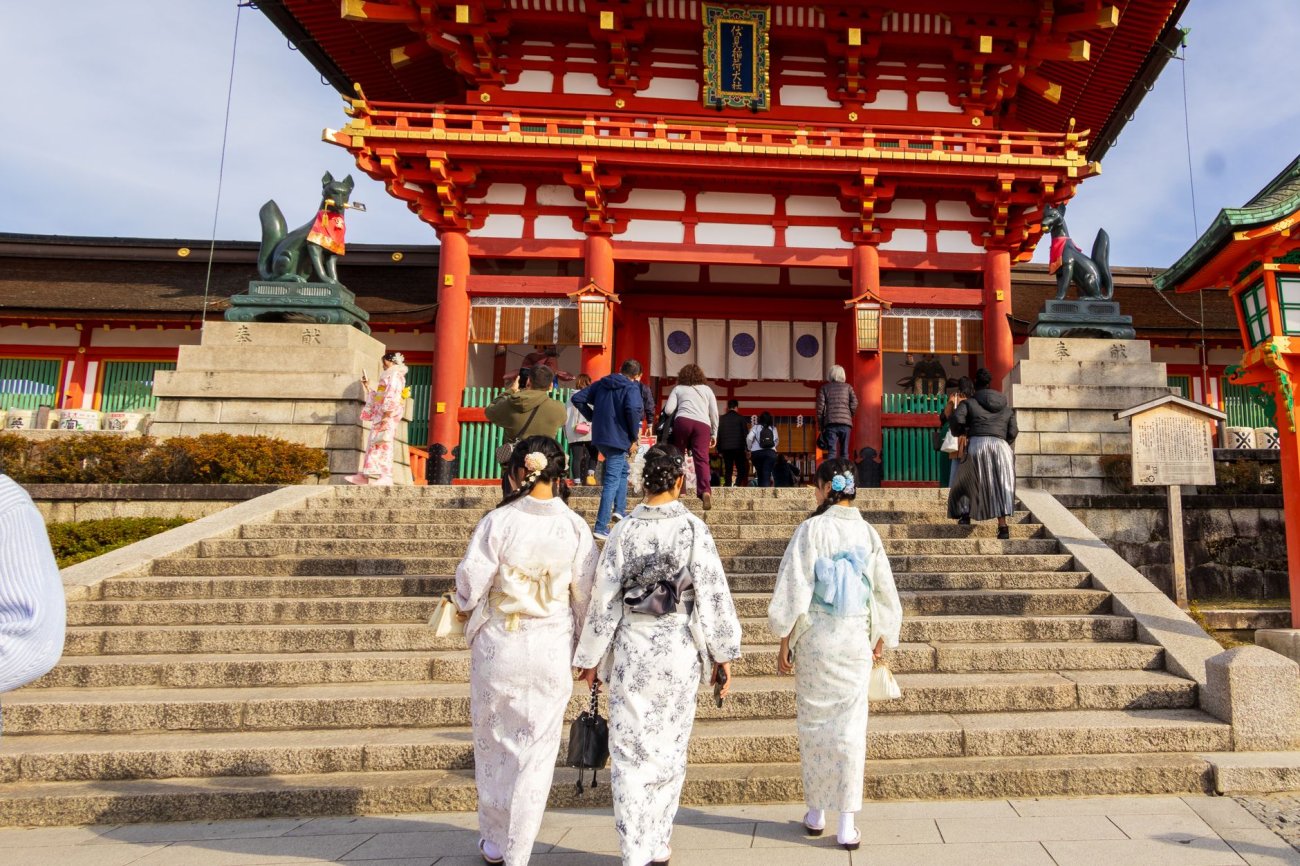
In a move that has reignited longstanding regional tensions, Japan's Defence Minister Koizumi visited the Yasukuni Shrine in Tokyo, marking the 81st anniversary of Japan's surrender in World War II. The shrine, which honors Japan's war dead including convicted war criminals, is seen by China and South Korea as a symbol of Japan's past military aggression. The visit comes amid delicate diplomatic relations in the region, with Koizumi's presence at the shrine sparking swift condemnation from neighboring countries.
China's Foreign Ministry spokesperson, Hua Chunying, expressed "strong dissatisfaction and firm opposition" to the visit, stating that such actions "seriously hurt the feelings of the people in victimized countries" during a regular press briefing. South Korea's Foreign Ministry also issued a statement urging Japan to reflect on its historical actions and to demonstrate remorse through sincere actions. "It is deeply regrettable that Japanese leaders once again visited the Yasukuni Shrine, which glorifies the colonial plunder and war of aggression," the South Korean ministry said.
Despite the diplomatic backlash, the visit was defended domestically by elements of the Japanese government. Koizumi argued that the visit was a "private matter" and part of a personal tradition to honor Japan's war dead, a sentiment echoed by Prime Minister Fumio Kishida in previous years. The Yasukuni Shrine visits have been a contentious issue for decades, often coinciding with significant historical anniversaries and holiday periods in Japan, serving as a barometer for regional diplomatic relations.
The visit coincides with broader geopolitical tensions in the Asia-Pacific region, where territorial disputes and regional security dynamics continue to challenge diplomatic engagements. Japan, a key ally of the United States in the region, has been navigating a complex landscape of maintaining robust security alliances while addressing historical grievances with its neighbors.
Analysts view the visit as a potential impediment to cooperation on pressing regional issues, including North Korea's nuclear ambitions and China's increasing assertiveness in the South China Sea. "Such actions can only serve to alienate Japan from its neighbors at a time when regional cooperation is more important than ever," said Brad Glosserman, an expert on Japanese politics and executive director of the Pacific Forum.
Given the historical and emotional weight of such visits, the international community will be closely monitoring the diplomatic fallout from Koizumi's actions. The incident underscores the intricate balance of respecting historical narratives while pursuing forward-looking regional diplomacy. As tensions simmer, the actions and reactions of regional players will likely influence the diplomatic landscape in the Asia-Pacific region in the months to come.





Comments
No comments yet — be the first.