
Russian Politician's Sentencing Highlights Ongoing Dissent Suppression
A prominent Russian opposition figure, Lev Shlosberg, was sentenced to 11 years and one month in prison on Monday, a stark example of the Kremlin's ongoing crackdown on dissent against its war in Ukraine. Shlosberg, a senior member of the Yabloko party, has long been a vocal critic of Russian President Vladimir Putin and his policies. His sentencing adds to a growing list of political figures facing legal battles for their opposition to the conflict in Ukraine, which has now entered its third year.
The court found Shlosberg guilty of disseminating false information about the Russian military, a charge frequently leveled against critics of the Ukraine war under the controversial "fake news" law enacted in March 2022. This legislation allows for severe penalties against those allegedly spreading disinformation about the Russian military, and it has been widely criticized by international human rights organizations. In a statement prior to his sentencing, Shlosberg stated, "The government is attempting to silence those who speak the truth about the human cost of this war."
Yabloko, Russia's liberal political party, has been one of the few organized voices against the Kremlin's military campaign in Ukraine. The party's leader, Grigory Yavlinsky, condemned the court's ruling, describing it as "a blatant attempt to intimidate and silence political opposition." He further noted, "Lev Shlosberg is a patriot who seeks peace and prosperity for our country, not war and attrition." The sentencing underscores the Kremlin's resolve to maintain a tight grip on the narrative surrounding the conflict, using legal mechanisms to suppress dissent.
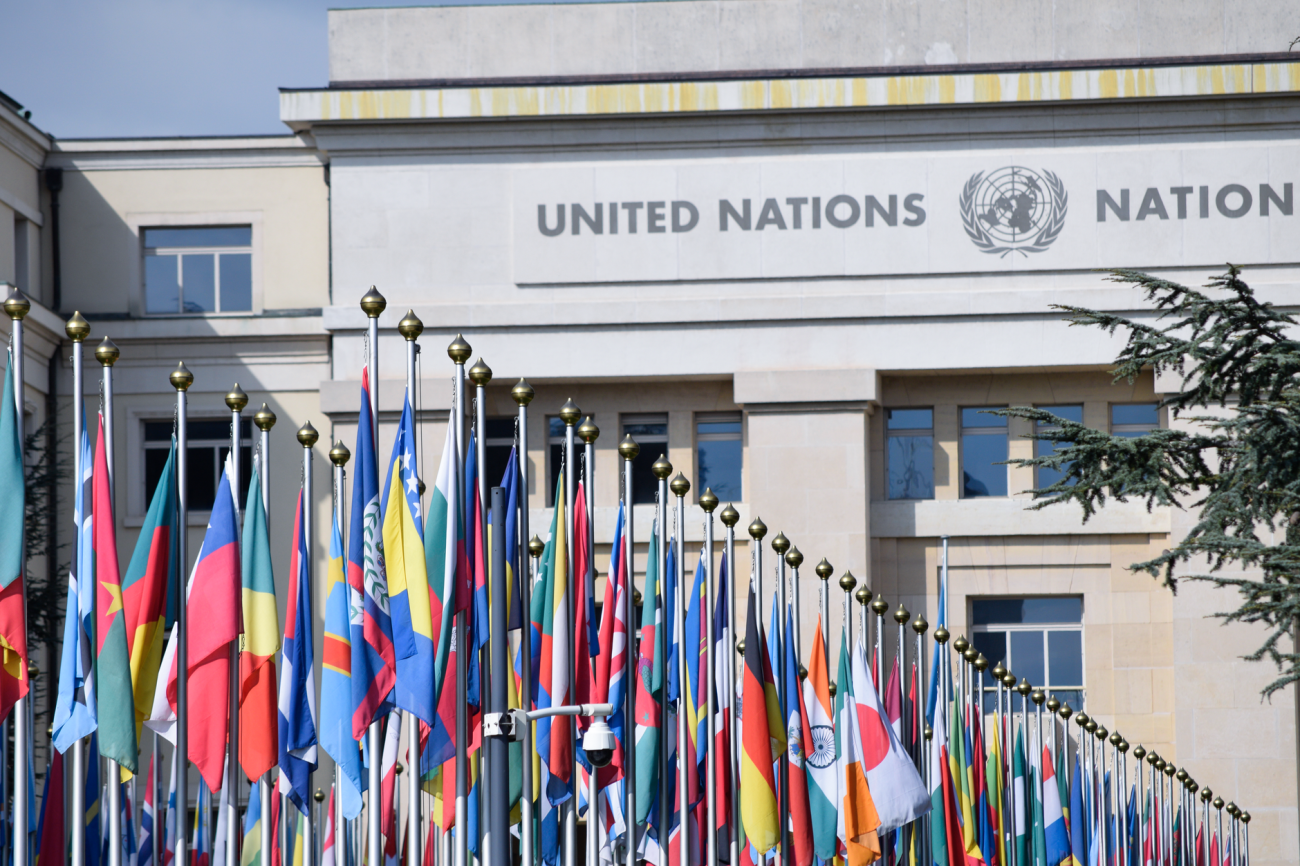
The international community has been vocal in its condemnation of Russia's actions. European Union foreign policy chief Josep Borrell called for Shlosberg's immediate release, stating, "This is another example of Russia's systematic repression of opposition voices that challenge its aggressive foreign policies." The EU, along with other Western nations, has imposed a series of sanctions aimed at penalizing Russia for its actions in Ukraine, but the Kremlin has remained unwavering in its stance.
For developing nations observing this unfolding situation, there are significant implications regarding the balance of democracy and authoritarianism. The suppression of political dissent in Russia serves as a cautionary tale for countries striving to maintain democratic institutions in the face of internal and external pressures. As the geopolitical landscape continues to shift, the global community remains watchful of how Russia's domestic policies will influence its international relations, particularly with nations that have historically been under its sphere of influence.
Shlosberg's case is emblematic of the broader struggle for political freedom and transparency in Russia. As the war in Ukraine persists, the Kremlin's strategies in managing domestic opposition will likely remain a focal point for international observers. The outcome of Shlosberg's appeal, if pursued, and any potential changes to Russia's stance on political dissent, are developments that will be closely monitored by human rights advocates and foreign governments alike.



Comments
No comments yet — be the first.