


Seven Missing as Incomplete 12-Storey Block Collapses in Nairobi's Eastleigh
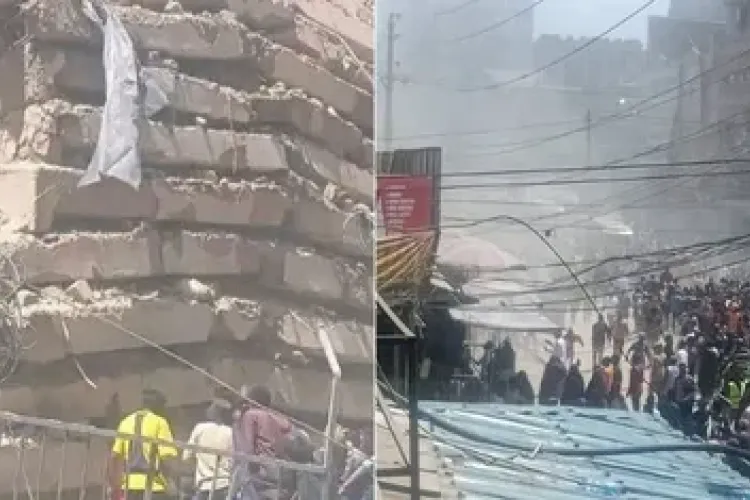
Seven people are missing after an incomplete 12-storey building collapsed in Eastleigh, Nairobi, Kenya, with rescue teams working to reach anyone trapped beneath the buckled structure. The block was still under construction when it gave way, and search efforts at the site are focused on locating the seven people unaccounted for under the rubble.
The collapse in Eastleigh, a densely developed district of the Kenyan capital, has drawn an immediate political response. Nairobi Governor Johnson Sakaja has called for tougher penalties against rogue developers and for the restoration of prosecutorial powers to county governments, arguing the current framework leaves counties without the authority to pursue criminal cases arising from building failures.
Sakaja's demands go to the heart of how construction is regulated in Nairobi, where the enforcement of approvals and inspections for buildings under construction has long depended on county capacity. The governor's push for prosecutorial powers would shift the machinery of accountability closer to the county level, a change he linked directly to the Eastleigh disaster.
Stephen Kalonzo Musyoka, leader of the Wiper Patriotic Front, separately called for accountability over the collapse, saying those responsible for the safety failures must be identified and held liable regardless of their positions or connections. His call for a probe into the circumstances of the collapse adds political weight to questions over how a 12-storey structure was able to progress so far toward completion before buckling.
The missing seven remain the central concern of the operation. Rescue efforts are under way to find people trapped under the block, and the pace of that work is now racing against a deteriorating weather forecast. The Kenya Meteorological Department has warned of heavy rainfall, flash floods and strong winds across dozens of counties, with the heaviest downpours expected between October 26 and 28.
The forecast, which extends to Nairobi, raises the prospect of waterlogged rubble and unstable debris at the Eastleigh site during the critical window for reaching anyone still alive under the collapsed floors. Heavy rain and flash flooding can also complicate the movement of heavy lifting equipment and increase the risk of further structural movement in sections of the building that remain standing.
The disaster has intensified scrutiny of building safety enforcement in the capital, with both Sakaja and Kalonzo framing the collapse as a failure that must be traced to identifiable decision-makers rather than treated as an accident. Sakaja's target is the developer class he describes as rogue, while Kalonzo has pressed for an investigation that reaches anyone responsible, irrespective of standing or political links.
What follows the rescue phase will determine whether those calls translate into action. Key questions include whether the county government secures the prosecutorial powers Sakaja has demanded, whether a formal inquiry is established into how the 12-storey project was approved and inspected, and whether any penalties against developers are strengthened in law.
For now, the operation at the collapsed site continues, with seven people missing and rescue teams pressing to reach anyone trapped under the block as the Kenya Meteorological Department's warning of heavy rain, flash floods and strong winds approaches, with the heaviest downpours forecast between October 26 and 28.




Comments
No comments yet — be the first.