


Airport Closures and Drone Strikes Threaten Travel Routes for Kenyans in Saudi Arabia
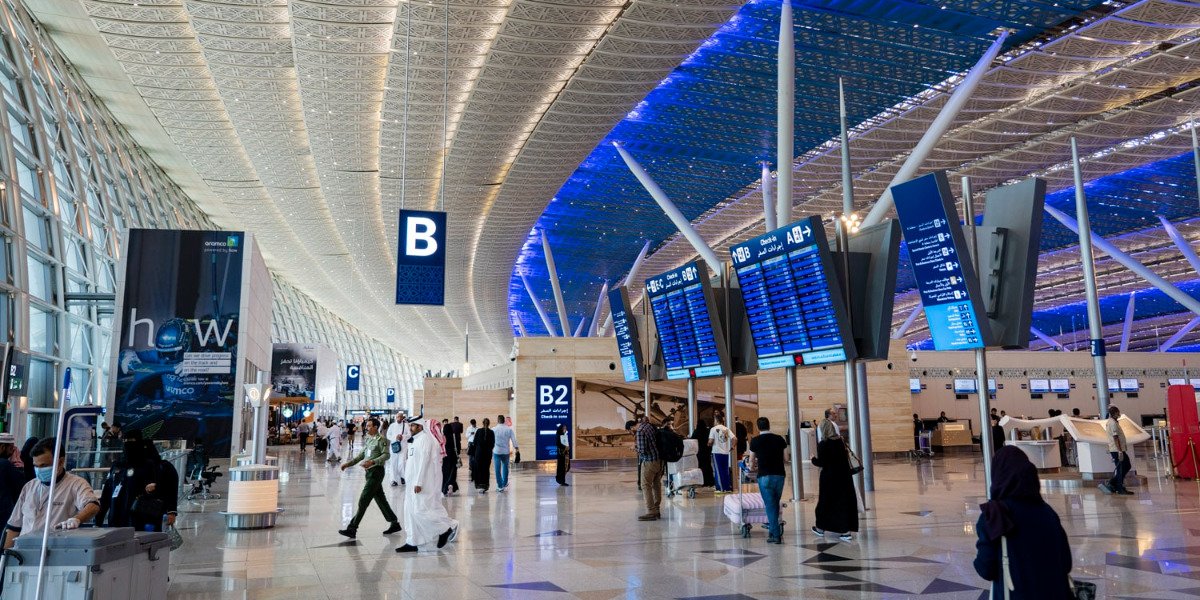
Thousands of Kenyan migrant workers in Saudi Arabia face severe travel disruptions and heightened safety risks following strict new flight restrictions imposed by the United States government on its personnel in the kingdom.
The US Mission in Saudi Arabia issued a security alert on October 27, ordering non-emergency government staff and their families to leave the country. The directive, which took effect on October 23, 2026, followed repeated missile and drone strikes by Iranian-backed Houthi rebels targeting civilian airports and critical infrastructure.
Under the new security measures, American officials now require special authorisation from the Chief of Mission to use any Saudi airport. The restriction signals growing concern over the vulnerability of commercial aviation across the Arabian Peninsula amid an expanding regional conflict involving Iran, Israel and the US.
These flight constraints directly impact Kenya’s massive diaspora workforce. Official figures presented to Parliament indicate that over 500,000 Kenyans live across the Gulf region, with an estimated 310,266 residing in Saudi Arabia alone.
The security situation has already caused major air transport bottlenecks. King Khalid International Airport in Riyadh reopened only partially on October 23 for domestic flights and select international routes managed by national carriers. Several flights were diverted to Prince Naif bin Abdulaziz International Airport in Qassim.
Major hubs like King Abdulaziz International Airport in Jeddah and King Fahd International Airport in Dammam remain open, but passengers face widespread delays and cancellations.
The disruptions are especially critical in the western region. The Kenyan Consulate General in Jeddah oversees more than 160,000 Kenyan citizens in Jeddah and Mecca, many of whom rely on stable transport links for contract renewals, emergency travel and routine leave.
Security analysts note that Houthi forces have escalated their campaign towards Riyadh while attempting to gain control of the Bab-el-Mandeb Strait. This narrow maritime passage between Yemen and the Horn of Africa carries nearly 10 percent of global oil tanker traffic, making the nearby airspace and coastal areas volatile.
The US alert warned that hostilities could rapidly expand beyond current strike zones. American authorities advised their citizens to avoid public gatherings, stay clear of heavy police deployments and confirm flight status directly with airlines.
Saudi Arabia’s Ministry of Interior reminded residents that strict legal protections remain in place. Local laws prohibit filming or publishing media of intercepted missiles, drones or crash sites. Authorities warned that violators face immediate detention and legal prosecution.





Comments
No comments yet — be the first.