


Kenyan Court Blocks Bomas of Kenya Expansion, Bars Contractors From Disputed Nairobi Site
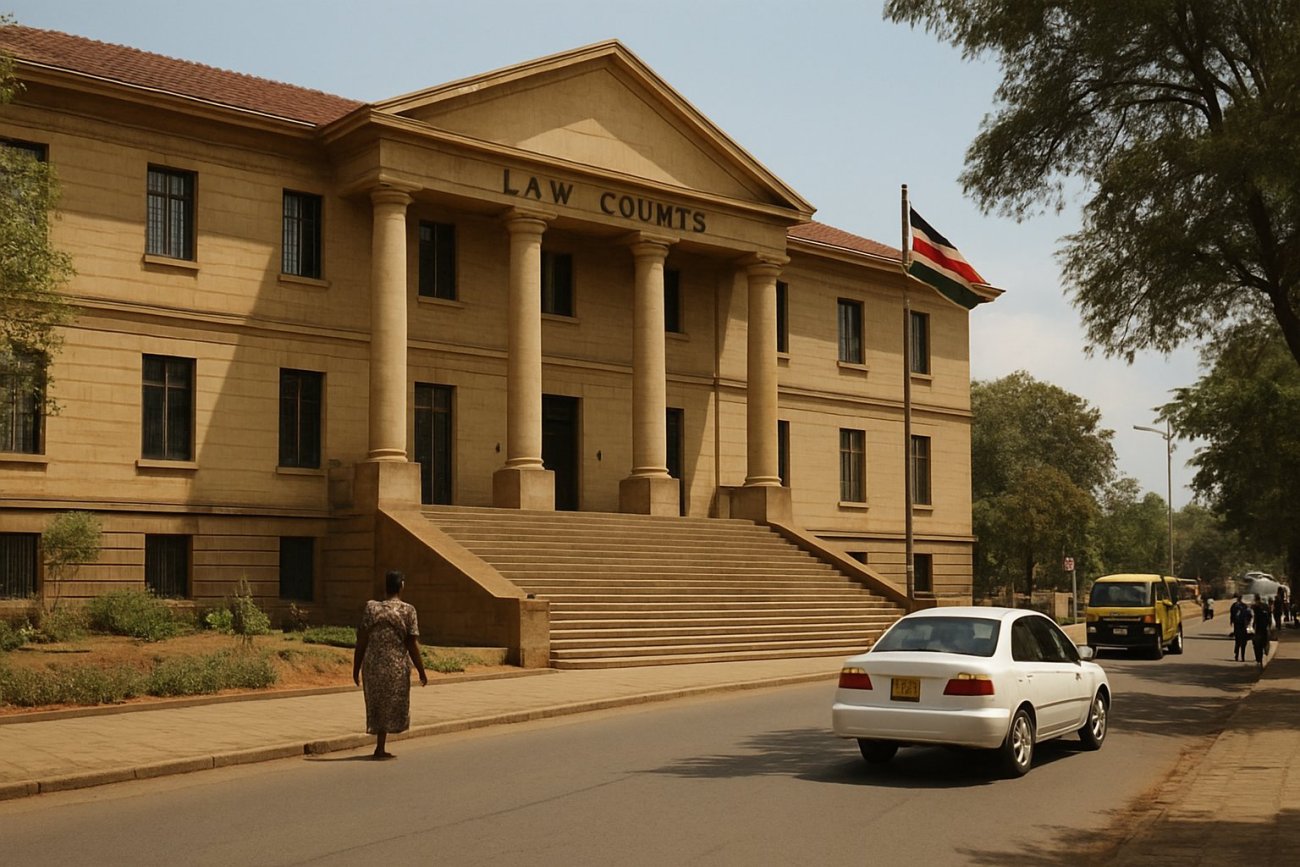
A Kenyan court has blocked the planned expansion of Bomas of Kenya, barring contractors hired for the project from undertaking any works on a disputed site at the government-owned cultural centre in Nairobi.
The orders, reported by Kenya's Standard newspaper, prohibit the firms from clearing vegetation, cutting trees, excavating, grading, fencing, constructing routes or undertaking any works at all on the contested parcel, freezing the project before ground can be broken while the dispute over the land is determined. The centre sits in the Lang'ata area of the Kenyan capital.
Bomas of Kenya has operated since 1971 as the country's principal showcase of traditional cultures. Established under the Kenya Tourist Development Corporation, it recreates homesteads of communities from across the nation on its grounds, with boma being the Swahili term for an enclosed homestead, and stages regular song and dance performances in its main auditorium, drawing school groups and foreign visitors year-round.
The venue carries political weight that far exceeds its tourism function. Its auditorium hosted the National Constitutional Conference of 2003 and 2004, whose proposed charter became known as the Bomas Draft, a milestone in a review process that ended in the failed 2005 referendum and ultimately the 2010 Constitution. The Independent Electoral and Boundaries Commission has also used the auditorium as its national tallying centre for the presidential elections of 2013, 2017 and 2022, and Kenya's next general election falls due in August 2027.
The injunction now halting the expansion is sweeping in scope. It covers every category of preliminary construction activity, from vegetation clearance and tree felling through excavation, grading, fencing and the construction of access routes, meaning the hired contractors cannot mobilise equipment, enter the land or alter its physical state in any way pending further directions of the court.
The dispute enters a legal landscape reshaped over the past two decades. The Constitution of Kenya, adopted in 2010, classifies all land in the country as public, community or private under Article 61, and a specialist Environment and Land Court created under the same constitution hears ownership disputes. The National Land Commission, established by the National Land Commission Act of 2012, holds the statutory mandate over public land, a category that has fuelled national controversy since the Commission of Inquiry into the Illegal and Irregular Allocation of Public Land, chaired by lawyer Paul Ndung'u, documented systematic irregular allocations in its 2004 report.
Public parcels in Nairobi have repeatedly attracted competing claims from state agencies, private developers and conservation interests, and the standoff at Bomas fits that pattern. Across fast-growing African cities, contests between development projects and the protection of public land have increasingly landed before the courts, which now serve as the decisive arbiters of whether such projects proceed.
The immediate next steps are procedural. The parties must argue the underlying question of ownership of the parcel, and the matters to watch include any application by either side to vary or discharge the orders, the response of the contractors already engaged for the works, and the fate of the expansion timetable itself. The prohibition on all works at the site stands until the court determines the dispute.



Comments
No comments yet — be the first.